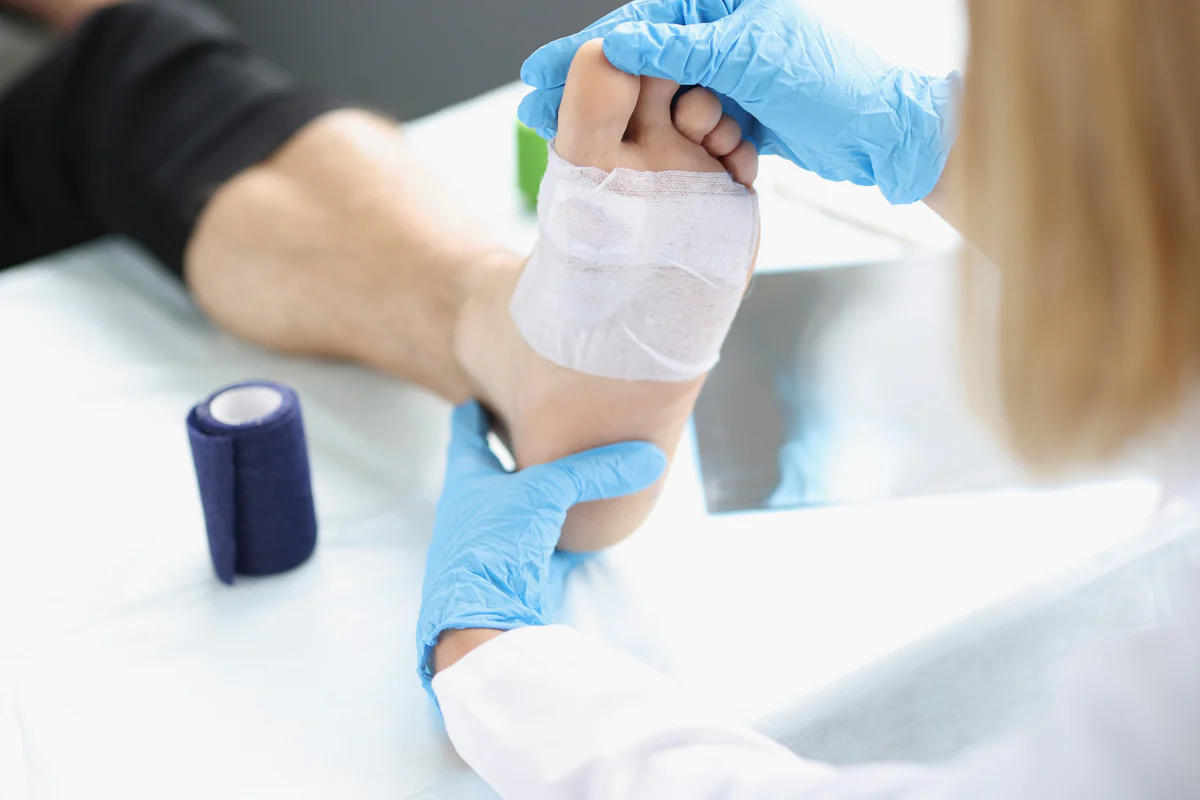
Toe ulcers, although often overlooked, can severely affect your quality of life. These open sores, typically found on the toes, are more than just a cosmetic issue—they can cause pain, discomfort, and, if left untreated, may lead to serious complications. Orthopedic treatment for toe ulcers plays a crucial role in addressing the underlying causes, promoting faster healing, and ensuring long-term foot health. In this blog, we’ll explore the importance of orthopedic care for toe ulcers and how it can help you regain mobility and well-being.
What are Toe Ulcers?
Toe ulcers are painful sores that develop on the toes, often caused by pressure, friction, or other underlying conditions such as diabetes or poor circulation. These ulcers can range from small blisters to larger, more complex open wounds. The primary symptoms of toe ulcers include redness, swelling, and tenderness around the affected area, with some cases leading to oozing or bleeding. If left untreated, these ulcers can become infected, causing significant complications.
Why Orthopedic Treatment is Essential for Toe Ulcers
Orthopedic treatment is crucial for managing toe ulcers, as it addresses both the immediate symptoms and the long-term effects of the condition. Without proper care, toe ulcers can worsen and lead to serious issues, such as infections or even tissue damage. Orthopedic interventions not only focus on wound care but also emphasize the need to reduce pressure on the affected toe, improve circulation, and ensure proper foot alignment for optimal healing.
By seeking professional orthopedic care, patients can experience faster recovery times, reduced pain, and a lower risk of complications. Custom solutions tailored to each individual’s needs ensure that both the ulcer and its underlying causes are addressed, leading to long-term foot health.
Key Orthopedic Approaches for Treating Toe Ulcers
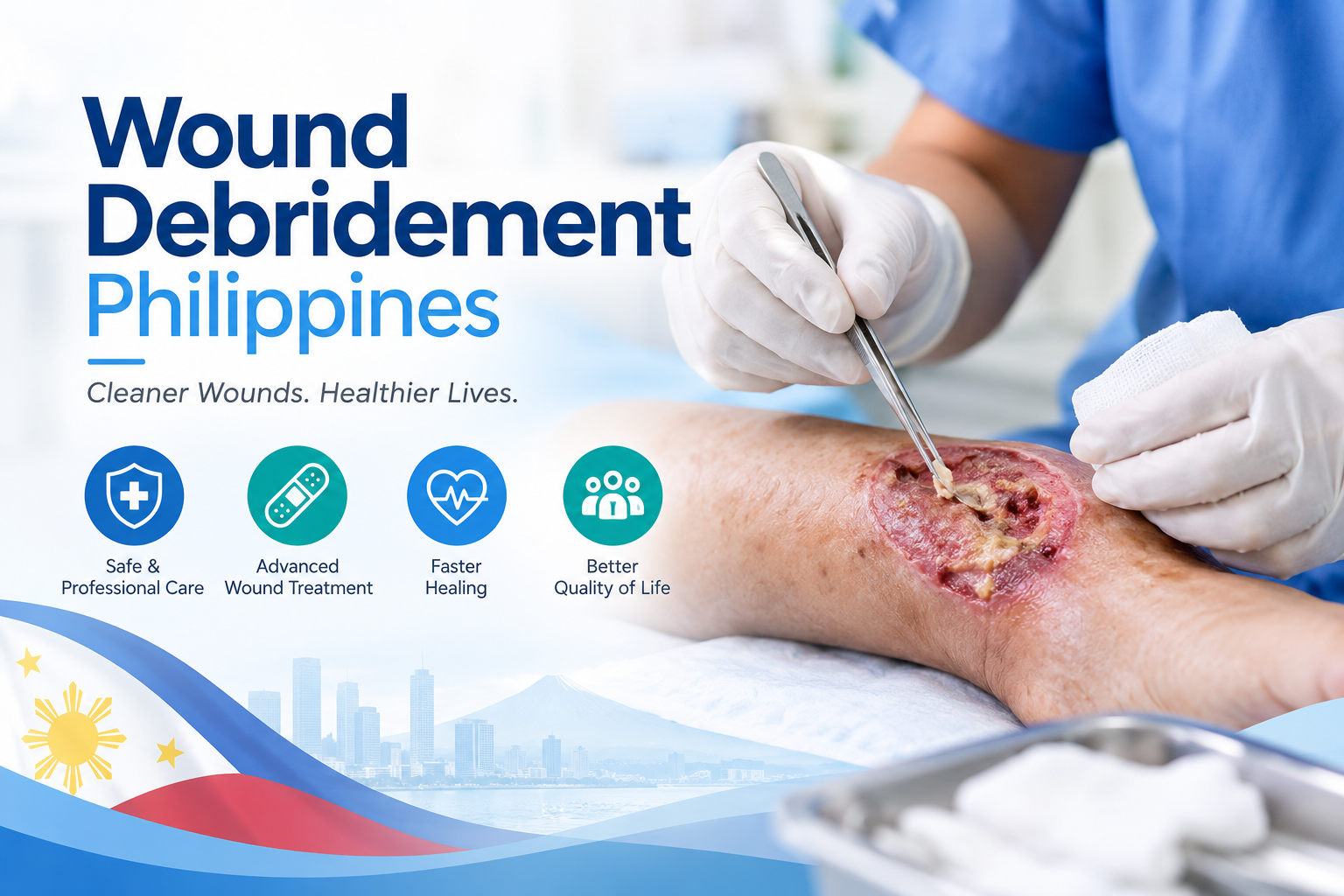
Wound Care and Ulcer Management: Proper wound care is the foundation of any effective toe ulcer treatment plan. A critical part of this is ensuring that the ulcer is kept clean and protected to prevent infection. Orthopedic specialists may use advanced wound dressings and topical treatments to facilitate healing and protect the skin. Depending on the severity, some ulcers may require more intensive therapies to promote tissue regeneration and minimize scarring.
Pressure Relief and Foot Support: One of the main contributors to toe ulcers is continuous pressure on the affected area. Orthopedic Treatment for Forefoot Ulcers focuses on relieving this pressure to allow the ulcer to heal. Custom orthotics, cushioned foot pads, and pressure-relieving insoles are often recommended to redistribute pressure evenly across the foot. These devices ensure that no further damage occurs to the already compromised tissue.
Footwear Recommendations: Footwear plays a vital role in preventing and managing toe ulcers. Orthopedic specialists often recommend shoes designed to reduce friction and avoid putting pressure on the affected toes. For individuals with diabetes or poor circulation, specialized diabetic shoes or custom-made insoles may be necessary to prevent further ulcer formation and provide proper foot support.
Physical Therapy and Mobility Support: Orthopedic treatment for toe ulcers doesn’t stop at wound care. Physical therapy is often recommended to help patients maintain mobility and circulation during the healing process. Targeted exercises can improve foot function, enhance blood flow to the affected area, and reduce pain. Physical therapy can also prevent long-term mobility issues, helping patients get back to their normal routines faster.
How Tec Orthopedics Approaches Toe Ulcer Treatment
At Tec Orthopedics, we understand that every patient’s needs are unique. Our approach to toe ulcer treatment involves a thorough assessment of your condition, followed by a personalized treatment plan tailored to your specific requirements. From advanced wound care to the use of custom orthotics, our team of experts ensures that every aspect of your recovery is addressed.
We use state-of-the-art technology and innovative therapies to promote healing, reduce pain, and restore mobility. Whether you’re dealing with diabetic foot ulcers or ulcers caused by poor circulation, our focus is on helping you regain a healthy, active lifestyle.
Preventing Future Toe Ulcers: Long-Term Foot Health Tips
While orthopedic treatment can effectively manage toe ulcers, preventing future ulcers is equally important. Here are some long-term foot health tips to keep your feet in optimal condition:
- Regular Foot Inspections: Check your feet daily for signs of irritation or ulcers, especially if you have diabetes or poor circulation.
- Proper Footwear: Invest in shoes that fit well and provide adequate support, reducing the risk of friction and pressure.
- Moisturize Your Feet: Keep your feet moisturized to prevent dry skin, which can lead to cracking and ulcer formation.
- Manage Underlying Conditions: If you have diabetes, high blood pressure, or poor circulation, it’s essential to manage these conditions effectively to reduce your risk of foot ulcers.
When to Seek Professional Help for Toe Ulcers
While some toe ulcers may heal on their own with proper care, others may require professional intervention. You should seek orthopedic care if:
- The ulcer doesn’t heal within a reasonable time frame
- There are signs of infection (redness, warmth, discharge)
- The ulcer is causing significant pain or discomfort
- You have underlying conditions like diabetes that may affect healing
Untreated toe ulcers can lead to severe complications, including infections, tissue damage, or even amputation in extreme cases. Seeking professional help early on can prevent these issues and ensure a smoother recovery.
Takeaway
Toe ulcers require timely and effective treatment to prevent complications and promote healing. Orthopedic treatment plays a key role in managing these ulcers, addressing both the immediate concerns and long-term foot health. If you’re dealing with a toe ulcer, don’t wait—consult an orthopedic specialist to explore the best options for healing and restoring your mobility.