
Understanding Wound Care and Debridement
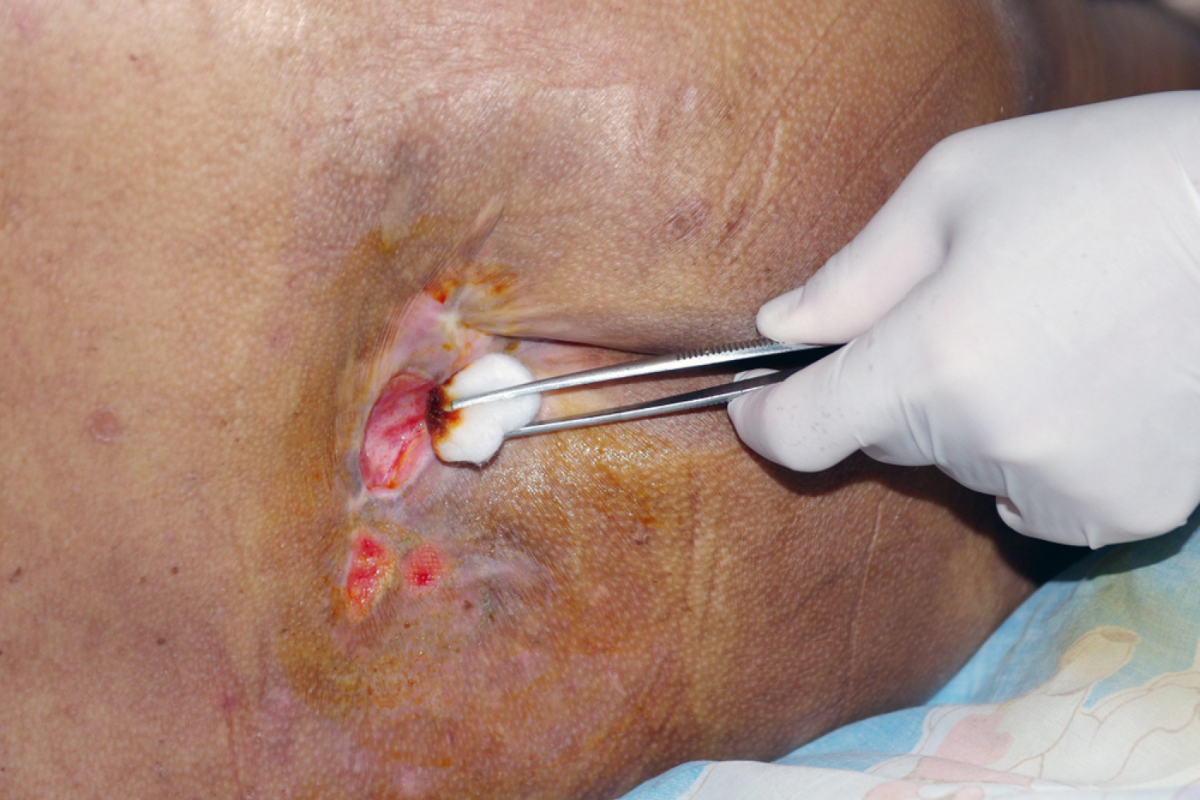
Wound care and debridement are essential components of the healing process, particularly for patients recovering from surgery or trauma. Proper management ensures that wounds heal efficiently while minimizing the risk of infections and complications. Debridement refers to the removal of dead, damaged, or infected tissue, allowing healthy tissue to regenerate. Without proper debridement, wounds may become chronic, slow to heal, or susceptible to severe infections. Acute wounds, such as surgical incisions, often require precise care to promote optimal recovery. Chronic wounds, such as diabetic ulcers or pressure sores, demand more intensive monitoring and treatment. Implementing effective wound care strategies improves patient outcomes and reduces hospital readmissions, emphasizing the importance of modern approaches in surgical care.
Modern Surgical Solutions in General Surgery
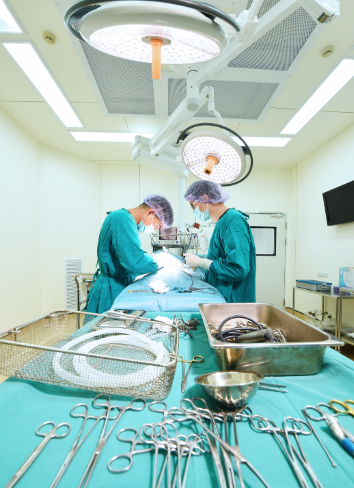
Advances in general surgery have transformed how wound care and debridement are performed. Modern surgical solutions incorporate minimally invasive techniques that reduce tissue damage and accelerate healing. Tools like advanced scalpels, ultrasonic debridement devices, and specialized surgical lasers allow surgeons to target damaged tissue precisely. Patients benefit from faster recovery times, less post-operative pain, and lower risk of infection. Additionally, surgical innovations support tailored approaches depending on the type and severity of the wound. Technology such as negative pressure wound therapy and bioengineered skin substitutes has become increasingly integrated into post-surgical care. These innovations highlight the importance of combining expertise with technology for optimal patient outcomes.
Liver, Gall Bladder, and Debridement Procedures
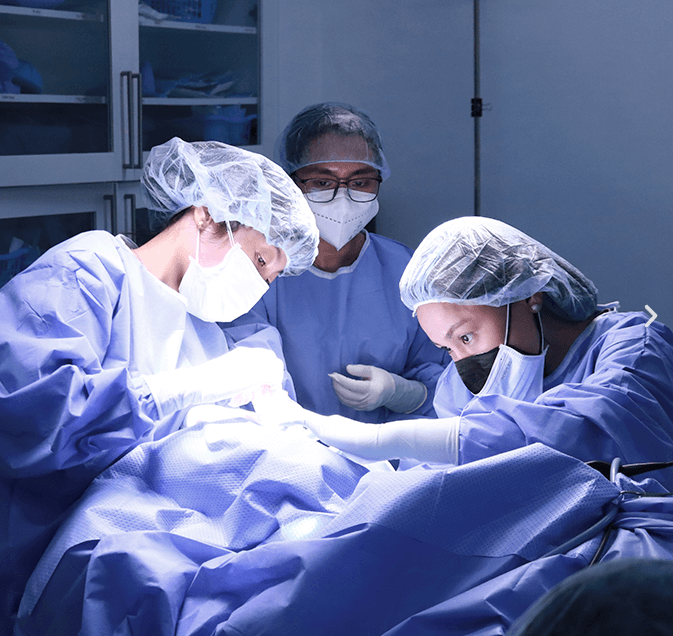
Wound care and debridement play a critical role in abdominal surgeries, particularly those involving the liver and gall bladder. These organs are highly vascular, which increases the risk of bleeding and infection if wounds are not managed properly. Surgeons carefully assess tissue viability to determine the most effective debridement method, ensuring that healthy tissue is preserved while damaged tissue is removed. Post-operative wound care protocols are crucial for patients undergoing liver or gall bladder surgeries, as complications can have systemic effects. Techniques such as laparoscopic debridement minimize surgical trauma and improve recovery times. Proper wound management in these procedures is essential to prevent bile leakage, abscess formation, or secondary infections. Patients benefit from the combination of precise surgical intervention and meticulous post-surgical wound care.
Wound Care Best Practices
Effective wound care involves a combination of cleaning, protection, and monitoring. Regular assessment ensures early identification of potential complications, such as infection or delayed healing. Key practices include proper cleaning of the wound with sterile solutions, changing dressings at recommended intervals, and maintaining a moist healing environment. Nutritional support and hydration also play a significant role in the body’s ability to regenerate tissue. Patients are encouraged to follow their healthcare provider’s instructions diligently to promote optimal healing. Incorporating modern surgical solutions into routine care, such as advanced dressings or negative pressure systems, can significantly enhance recovery. Proper education empowers patients and caregivers to manage wounds confidently and prevent unnecessary complications.
Essential Steps in Wound Care and Debridement
- Clean the wound thoroughly using sterile solutions
- Remove dead or damaged tissue carefully using approved techniques
- Apply appropriate dressings to maintain a moist healing environment
- Monitor for signs of infection such as redness, swelling, or unusual discharge
- Follow post-operative instructions for activity restriction and care
- Use advanced surgical tools or therapies when recommended by a specialist
- Maintain a healthy lifestyle to support overall healing
Expertise of Dr. Kevin Bryan E. Marin and Pro-Create Multi-Specialty Clinic
Dr. Kevin Bryan E. Marin is renowned for his approach to wound care and debridement, combining surgical precision with personalized patient care. At Pro-Create Multi-Specialty Clinic, patients have access to a wide range of modern surgical solutions designed for effective wound management. The clinic focuses on integrating advanced technology with evidence-based practices to ensure optimal healing outcomes. Patients benefit from individualized care plans that consider the type of wound, patient health status, and recovery goals. The team at Pro-Create prioritizes patient education, ensuring that caregivers and patients understand each step of the healing process. Specialized care in this clinic has been shown to reduce post-surgical complications and enhance patient satisfaction. The combination of expertise and modern tools ensures that wound care is both safe and effective.
Innovations in Wound Healing
The field of wound care and debridement continues to evolve with cutting-edge technologies. Laser therapy, negative pressure wound therapy, and bioengineered skin substitutes are just a few examples of how modern solutions enhance healing. These innovations accelerate tissue regeneration, reduce infection rates, and minimize scarring. Research in regenerative medicine and tissue engineering is opening new possibilities for managing chronic and complex wounds. Digital monitoring and imaging technologies allow healthcare providers to track healing progress with high precision. Telemedicine and remote wound monitoring further empower patients to receive timely care and guidance. The integration of innovation in general surgery ensures that wounds are managed efficiently and safely from start to finish.
Patient Education and Awareness
Educating patients about wound care and debridement is crucial for effective healing. Understanding the type of wound, appropriate cleaning methods, and warning signs of infection empowers patients to take control of their recovery. Home care practices, such as keeping the wound clean, avoiding unnecessary pressure, and following medication instructions, can prevent complications. Patients are encouraged to report any changes in wound appearance or discomfort promptly. Awareness of the latest wound care technologies and treatments allows patients to discuss options with their healthcare provider. Informed patients are better prepared to comply with care plans and achieve optimal healing outcomes. Empowering individuals with knowledge ultimately supports faster recovery and reduces the burden on healthcare systems.
Frequently Asked Questions (FAQ)
- What is the difference between debridement and regular wound cleaning?
Debridement involves removing dead or infected tissue to promote healing, while regular wound cleaning focuses on preventing contamination. - How often should debridement be performed for chronic wounds?
The frequency depends on the wound type and severity, with some requiring multiple sessions and others needing only one procedure. - Are modern surgical solutions painful or risky?
Advanced surgical techniques aim to minimize pain and reduce risk, but discomfort and minor complications may still occur. - Can liver or gall bladder surgery patients benefit from specialized wound care?
Yes, specialized care is crucial for these patients to prevent infections and ensure proper organ recovery. - How does Pro-Create Multi-Specialty Clinic ensure safe post-surgical healing?
Through advanced technology, expert surgeons, individualized care plans, and patient education, the clinic prioritizes safe and effective healing.
Takeaway
Wound care and debridement are essential for recovery, particularly when combined with modern surgical solutions and expert guidance. Proper wound management, innovative therapies, and patient education significantly improve healing outcomes. Clinics like Pro-Create Multi-Specialty Clinic, led by specialists like Dr. Kevin Bryan E. Marin, demonstrate how precision, technology, and individualized care transform the patient experience. Patients who understand the importance of wound care and follow professional guidance can expect safer, faster, and more effective recovery, highlighting the critical role of modern approaches in general surgery.