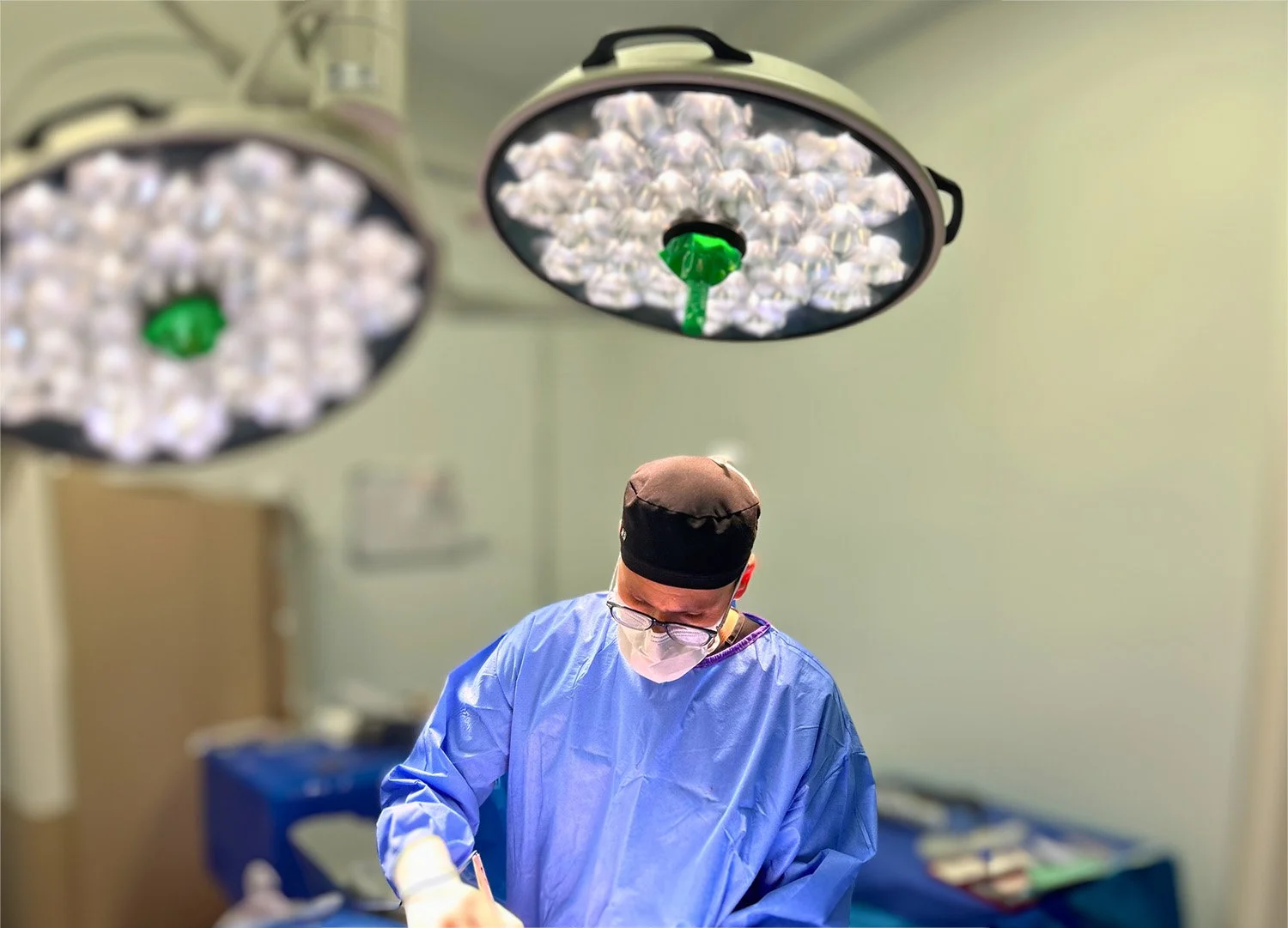
Dr. Lou Mervyn Tec is a board-certified orthopedic surgeon and a trusted doctor for wounds. He has built a reputation for helping patients recover from complex, slow-healing wounds while preventing severe complications such as infections or amputations. Dr. Tec combines extensive international training with a patient-centered approach that emphasizes comfort, safety, and long-term wound health.
Dr. Tec completed fellowships in Hand and Microsurgery in Japan and Hip and Knee Preservation in Australia. He graduated cum laude from the University of the Philippines, achieving top honors throughout his medical degree and surgical training. His expertise spans ultrasonic-assisted debridement, negative pressure wound therapy, infection management, and holistic care approaches, ensuring each patient receives treatment tailored to their condition.
Patients often highlight Dr. Tec’s compassionate approach, which goes beyond treating the wound. By considering lifestyle, medical history, and personal needs, he creates comprehensive treatment plans that improve healing times and overall well-being.
Common Types of Wounds Treated
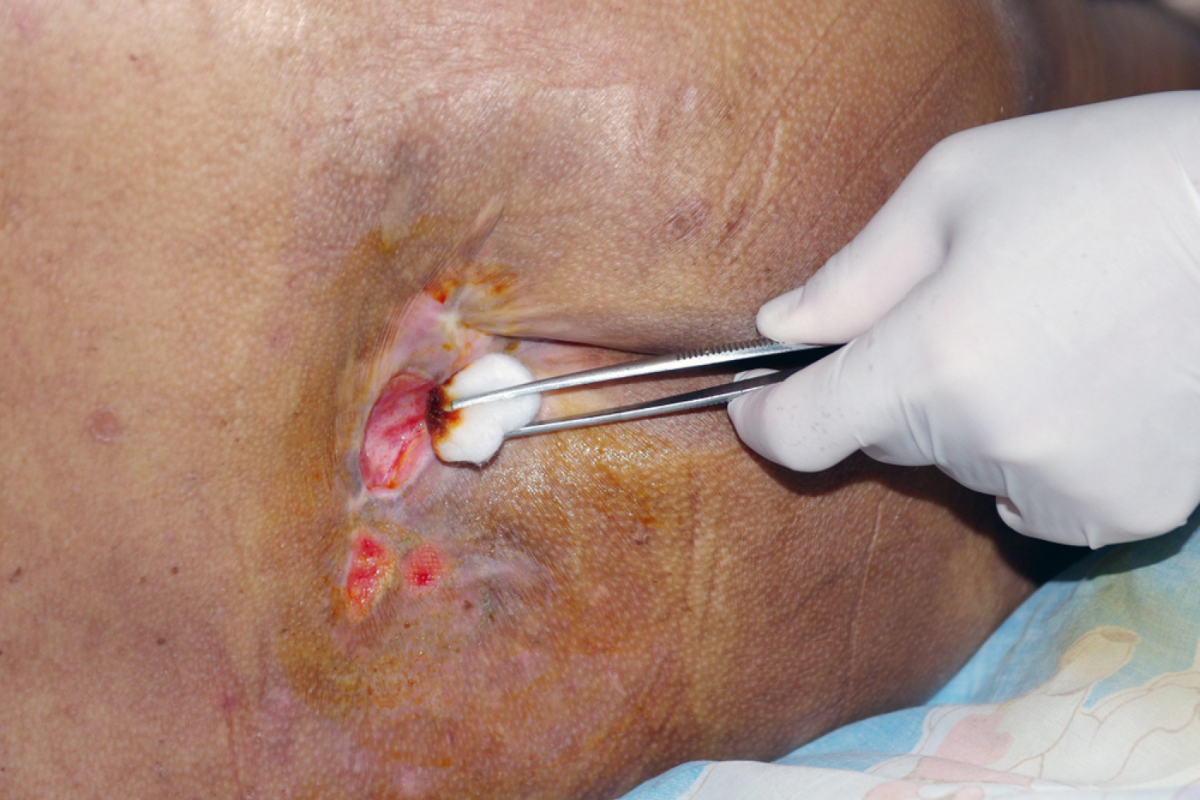
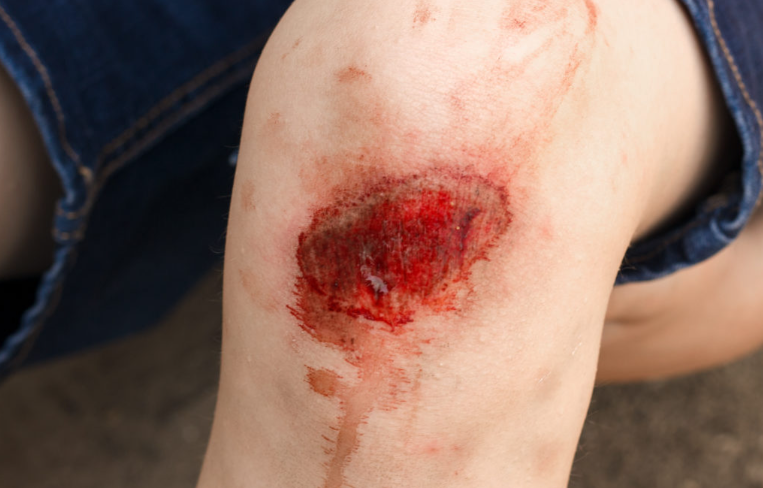
A doctor for wounds addresses a variety of injuries that require specialized care. Chronic wounds often result from underlying medical conditions, poor circulation, or prolonged immobility. Diabetic foot ulcers pose a high risk for infections and amputations if not properly managed. Pressure ulcers, also known as bedsores, develop in patients with limited mobility and require careful intervention to prevent deterioration. Venous leg ulcers emerge from chronic venous insufficiency and can be slow to heal without proper management. Post-surgical or traumatic wounds also require close monitoring to avoid infection and complications. Each wound type demands targeted strategies and precise care to support effective healing.
Advanced Wound Care Treatments
Ultrasonic-assisted debridement is a gentle technique used by a doctor for wounds to remove non-viable tissue while protecting healthy surrounding tissue. This process creates an optimal environment for healing and reduces the risk of infection.
Negative pressure wound therapy, also known as vacuum-assisted closure, improves blood flow, reduces swelling, and promotes tissue regeneration. This method accelerates healing, minimizes pain, and supports long-term wound recovery.
Infection management remains a critical component of wound care. A doctor for wounds can quickly identify signs of infection and apply targeted treatments, including topical therapies and systemic antibiotics, to prevent further complications.
Preventive strategies are equally important. Patients receive education on daily wound care, skin protection, and lifestyle adjustments to reduce recurrence. This approach ensures that healing continues even after active treatment concludes.
Benefits of Consulting a Doctor for Wounds
Patients who work with a doctor for wounds experience faster recovery, lower risks of complications, and personalized treatment plans designed to meet their unique needs. Multidisciplinary care, involving nurses, physical therapists, and nutrition specialists, contributes to overall health and promotes complete healing. A compassionate environment encourages patients to remain engaged in their care and follow prescribed therapies consistently.
Specialized wound care also reduces the likelihood of amputation for patients with diabetic ulcers or severe infections. Early intervention allows a doctor for wounds to monitor wound progression closely, prevent deterioration, and guide patients through every stage of recovery.
Patient Education and Prevention
Education forms a key part of wound care. A doctor for wounds provides guidance on maintaining healthy skin, managing diabetic foot ulcers, and avoiding repeated injuries. Patients learn techniques for proper cleaning, dressing changes, and monitoring for infection. Workshops and coaching sessions equip caregivers with the knowledge needed to assist patients effectively, making recovery smoother and safer.
Preventing pressure ulcers or venous ulcers requires attention to lifestyle factors. Patients receive instruction on repositioning techniques, use of support surfaces like specialized mattresses, and nutrition strategies to enhance healing. These preventive measures complement active treatment and significantly improve long-term outcomes.
Why Choose Kalingap Wound Care Clinic
Kalingap Wound Care Clinic offers comprehensive wound care services led by a highly trained doctor for wounds. The clinic provides a safe, accessible, and supportive environment for patients from Quezon City, Metro Manila, and nearby provinces. Advanced technologies, including ultrasonic-assisted debridement and negative pressure wound therapy, allow the clinic to treat complex wounds effectively.
Filipino values of care and nurture are embedded in every treatment plan. Patients benefit from a team that not only delivers medical expertise but also prioritizes comfort, reassurance, and consistent communication throughout the healing journey.
Patient Success Stories
Patients recovering from chronic wounds often report significant improvements after consulting a doctor for wounds. Individuals with diabetic foot ulcers that were previously resistant to conventional care have regained mobility and avoided amputation. Bedridden patients with pressure ulcers experience faster healing and pain relief through targeted interventions. Venous ulcers have closed successfully under the guidance of specialized wound care protocols. Each success story highlights the importance of early, professional intervention and ongoing patient support.
Frequently Asked Questions (FAQ)
Q: What types of wounds can a doctor for wounds treat?
A: A doctor for wounds treats chronic wounds, diabetic foot ulcers, pressure sores, venous ulcers, post-surgical wounds, and other complex injuries requiring specialized care.
Q: How does ultrasonic-assisted debridement work?
A: This method uses high-frequency sound waves to remove dead tissue gently, preparing the wound for faster and safer healing.
Q: Is negative pressure wound therapy painful?
A: Negative pressure wound therapy is generally well-tolerated. It uses gentle suction to improve circulation and stimulate tissue regeneration while minimizing discomfort.
Q: Can diabetic wounds heal without amputation?
A: Yes. With early detection and specialized care from a doctor for wounds, most diabetic ulcers can be managed effectively, significantly reducing the risk of amputation.
Q: Are educational programs included in treatment?
A: Yes. Patients and caregivers receive guidance on wound care, preventive strategies, and lifestyle adjustments to support long-term healing.
Q: Can patients from outside Quezon City receive treatment?
A: Yes. Patients from Metro Manila and nearby provinces are welcome for consultation and treatment at Kalingap Wound Care Clinic.