Living with chronic wounds, diabetic sores, or post-surgical complications can affect daily life, mobility, and overall health. Seeking guidance from a doctor for wounds ensures that these conditions receive specialized attention using advanced treatment methods. Effective wound care requires more than standard care—it demands expertise, proper evaluation, and consistent monitoring to prevent complications such as infection or amputation. Patients from Quezon City, Metro Manila, and surrounding provinces benefit from specialized care designed to restore comfort, promote healing, and improve quality of life.
What Is a Doctor for Wounds?
A doctor for wounds is a medical professional trained to manage complex, slow-healing, or high-risk wounds. These specialists have expertise in identifying the underlying causes of wounds, assessing tissue health, and applying targeted treatment strategies. Unlike general practitioners, a doctor for wounds focuses on wound healing technologies, advanced debridement techniques, and preventive strategies to avoid recurrence or complications. Their goal is not only to treat the wound but also to restore function, prevent infection, and educate patients on long-term care.
Chronic wounds, diabetic foot ulcers, venous ulcers, and pressure sores require a tailored approach. A doctor for wounds evaluates each patient holistically, considering overall health, comorbidities, and lifestyle factors. This specialized attention improves healing outcomes and reduces the risk of repeated hospital visits or surgical interventions.
Meet Our Specialist Doctor for Wounds
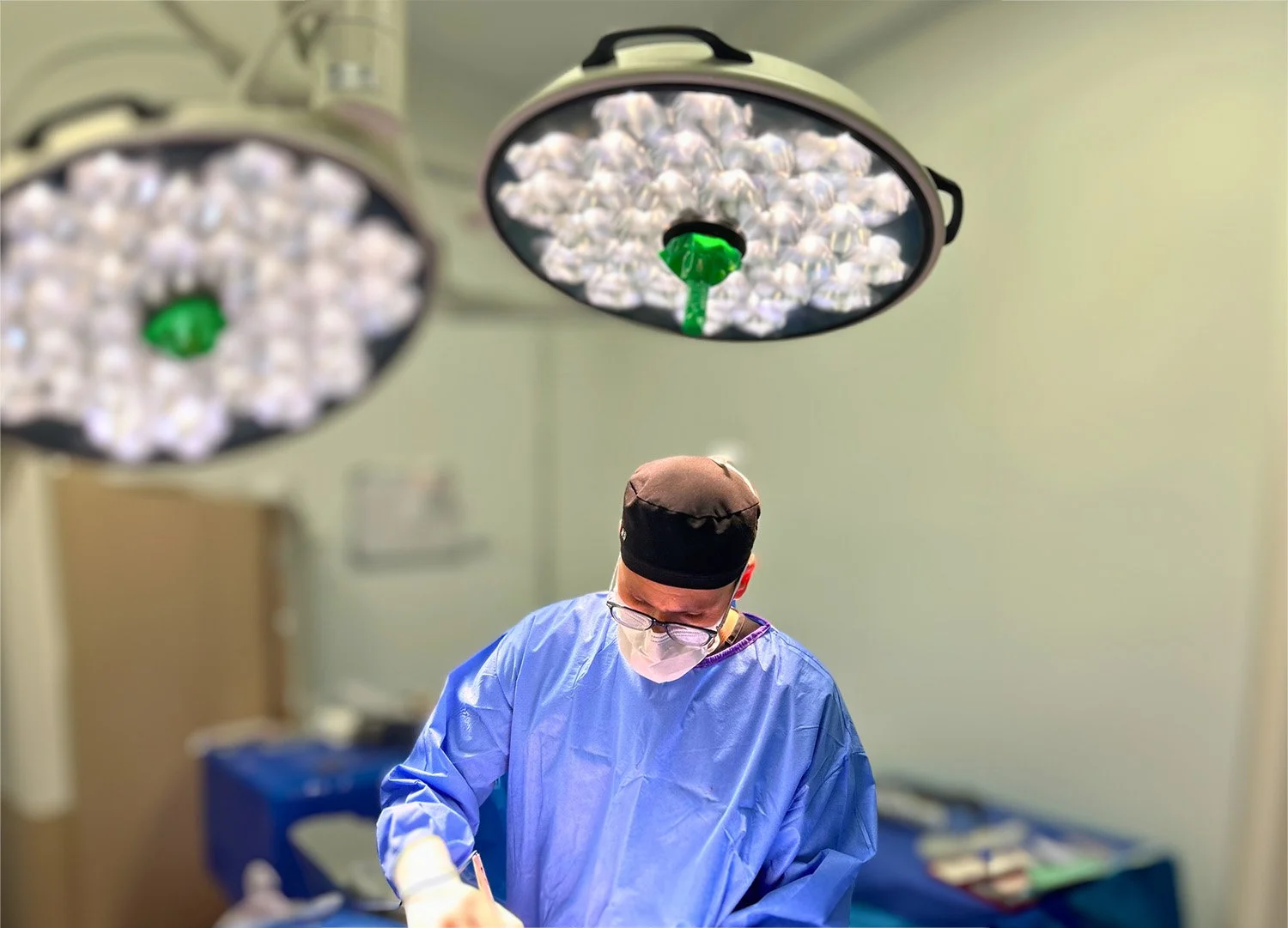
Dr. Lou Mervyn Tec is a board-certified orthopedic surgeon and a trusted doctor for wounds known for treating complex and challenging cases. With international fellowships in Hand and Microsurgery in Japan and Hip and Knee Preservation in Australia, Dr. Tec brings a global perspective to wound care in the Philippines. Graduating cum laude from the University of the Philippines, he completed his medical training with top honors and continues to advance his expertise in wound management.
Dr. Tec’s approach combines advanced medical procedures with patient-centered care. Techniques such as ultrasonic-assisted debridement, negative pressure wound therapy, and infection management are integrated with education and preventive strategies. Patients receive guidance on caring for wounds at home, lifestyle adjustments, and nutrition plans that support tissue repair and long-term health. This comprehensive method allows patients to actively participate in their recovery under the supervision of a skilled doctor for wounds.
Common Types of Wounds Treated
The expertise of a doctor for wounds extends to a variety of wound types, each requiring precise and careful treatment:
Diabetic Foot Ulcers
Diabetes can cause nerve damage and poor circulation, leading to foot ulcers that may worsen rapidly if untreated. A doctor for wounds provides timely interventions to reduce infection risk, prevent amputation, and restore tissue health. Treatment involves debridement, specialized dressings, offloading techniques, and ongoing monitoring to ensure effective healing.
Pressure Ulcers / Bedsores
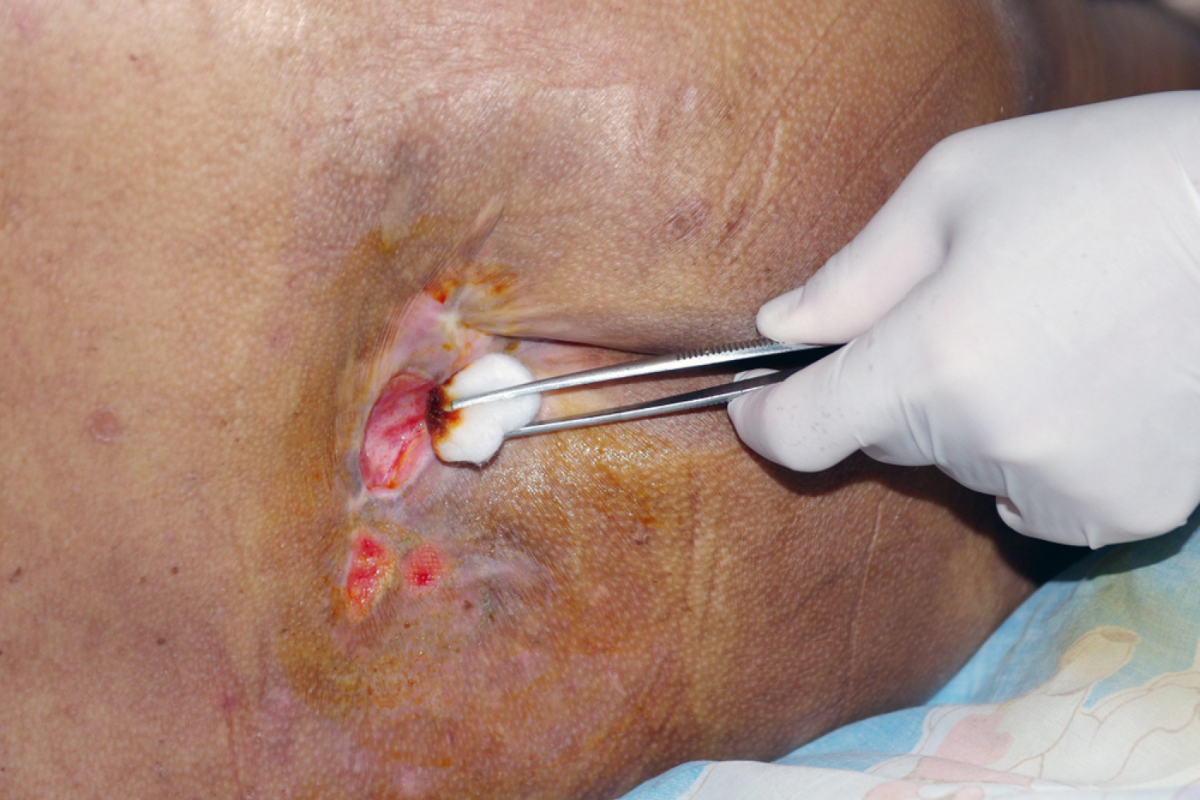
Pressure ulcers occur due to prolonged immobility and typically affect patients confined to beds or wheelchairs. A doctor for wounds develops care plans that relieve pressure, promote circulation, and support tissue regeneration. Repositioning strategies, advanced dressings, and nutritional guidance are crucial components of pressure ulcer care.
Venous Ulcers
Chronic leg wounds caused by poor circulation, known as venous ulcers, require specialized care to address underlying vascular issues. A doctor for wounds employs compression therapy, wound cleaning, and circulation-enhancing techniques to accelerate healing and prevent recurrence.
Post-Surgical Wounds
Surgical wounds sometimes develop complications such as delayed healing, infection, or tissue breakdown. Patients benefit from early evaluation and consistent monitoring by a doctor for wounds, ensuring proper healing and minimizing complications.
Trauma-Related Wounds
Cuts, burns, or injuries from accidents may leave wounds that are difficult to heal. A doctor for wounds assesses tissue damage, removes non-viable tissue, and applies advanced therapies to promote rapid recovery.
Advanced Wound Care Services Offered
A doctor for wounds uses innovative and evidence-based techniques to accelerate healing and prevent complications. Key services include:
Wound Assessment
Accurate assessment is the foundation of effective wound care. A doctor for wounds evaluates the wound size, depth, tissue quality, and surrounding skin health. Using diagnostic tools and clinical expertise, a personalized treatment plan is developed for optimal outcomes.
Ultrasonic Debridement
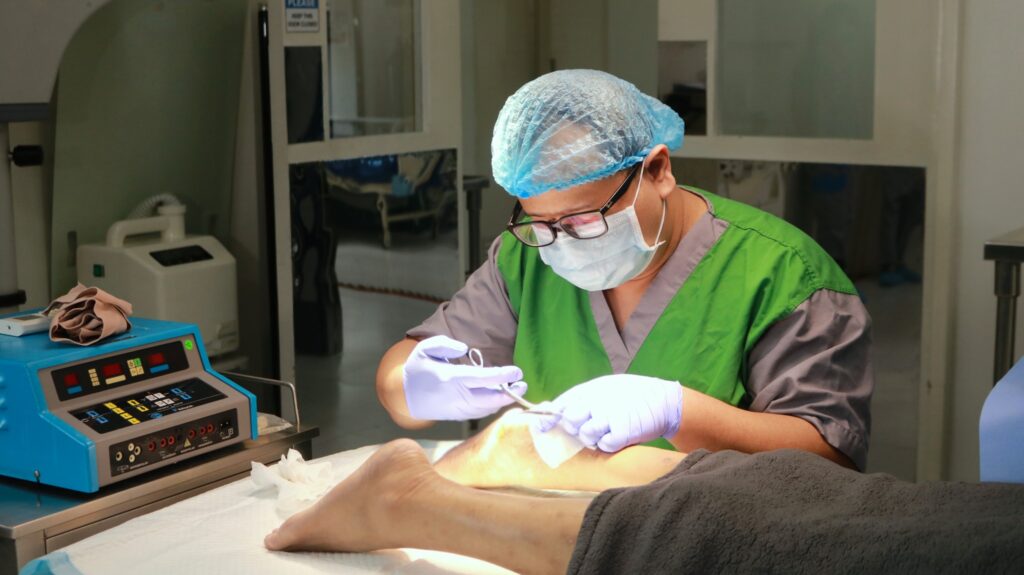
Ultrasonic-assisted debridement gently removes dead tissue while minimizing trauma to healthy tissue. This method promotes tissue regeneration, reduces infection risk, and prepares the wound for advanced therapies. A doctor for wounds carefully performs this procedure to ensure both safety and effectiveness.
Negative Pressure Wound Therapy (NPWT)
NPWT uses vacuum-assisted technology to remove excess fluid, reduce swelling, and increase blood flow to the wound. A doctor for wounds monitors therapy closely, helping wounds heal faster and reducing the likelihood of complications. NPWT is particularly effective for chronic wounds and post-surgical wounds that require consistent care.
Infection Control
Prompt intervention is essential for preventing wound infections. A doctor for wounds implements antimicrobial treatments, advanced dressing techniques, and ongoing monitoring to address and prevent infections. Patients receive education on hygiene, wound care, and early warning signs of infection.
Patient Education and Prevention
A doctor for wounds teaches patients how to care for wounds at home, avoid further injury, and maintain healthy skin. Guidance on proper dressing changes, nutrition, and daily foot care for diabetic patients enhances healing and prevents recurrence.
Benefits of Consulting a Specialist Doctor for Wounds
Consulting a doctor for wounds provides clear advantages:
- Faster wound healing with advanced interventions
- Reduced risk of complications and hospital readmissions
- Prevention of amputation for high-risk patients
- Personalized treatment plans tailored to the patient’s health and lifestyle
- Continuous monitoring and follow-up care for consistent progress
- Guidance on long-term wound prevention and healthy living
Patients often report improved mobility, reduced pain, and increased confidence in managing their health after working with a doctor for wounds.
How Kalingap Wound Care Clinic Stands Out
Patients seeking a doctor for wounds choose Kalingap Wound Care Clinic for its unique combination of advanced medical care and compassionate Filipino values. The clinic provides accessible care for residents of Quezon City, Metro Manila, and nearby provinces.
Care at the clinic focuses on:
- Personalized attention from a skilled doctor for wounds
- Advanced therapies such as NPWT and ultrasonic debridement
- Holistic patient education programs for home care and wound prevention
- Flexible appointment scheduling and affordable treatment options
- Ongoing monitoring to ensure sustained recovery
This approach ensures that every patient receives expert care while maintaining comfort, dignity, and support throughout the healing process.
Patient Journey: What to Expect
Consulting a doctor for wounds begins with a detailed evaluation of medical history and current wound status. The patient receives a personalized treatment plan that may include debridement, NPWT, infection management, and nutritional support. Regular follow-ups allow the doctor for wounds to monitor progress, adjust therapy, and provide ongoing guidance. Education on home care empowers patients to maintain proper hygiene, prevent reinjury, and track healing.
Community Engagement and Education
Education plays a key role in preventing chronic wounds. A doctor for wounds leads workshops and seminars that teach patients and caregivers about wound prevention, diabetes management, and proper skin care. These programs equip the community with practical knowledge to reduce the incidence of chronic wounds and enhance overall health.
Takeaway
Effective wound healing requires expertise, attention, and compassion. Consulting a doctor for wounds ensures that chronic, slow-healing, or high-risk wounds are treated with advanced techniques, personalized care, and ongoing support. Patients benefit from faster healing, reduced complications, and guidance for long-term health. Expert care from a doctor for wounds helps restore comfort, mobility, and confidence for patients from Quezon City, Metro Manila, and surrounding areas.
Frequently Asked Questions (FAQ)
Who should see a doctor for wounds?
Patients with chronic, slow-healing, or high-risk wounds, including diabetic foot ulcers, pressure sores, venous ulcers, or post-surgical wounds, should consult a doctor for wounds.
How long does wound healing take?
Healing time varies depending on the wound type, severity, patient health, and adherence to treatment plans. A doctor for wounds provides personalized timelines and monitors progress.
Are advanced therapies like NPWT painful?
Procedures such as negative pressure wound therapy are designed to minimize discomfort. A doctor for wounds ensures that pain management and monitoring are part of every session.
Can patients from outside Quezon City receive care?
Yes, patients from Metro Manila and nearby provinces can access treatment. Teleconsultations and flexible scheduling options are available.
What should patients bring to their first appointment?
Patients should bring medical records, a list of medications, and any information about prior wound care. This allows the doctor for wounds to assess the situation accurately and start effective treatment.
Does the clinic provide home care guidance?
Yes. A doctor for wounds provides education on dressing changes, preventive measures, and daily routines to support healing at home.