Understanding Toe Ulcers and Why Orthopedic Care Matters
Toe ulcers are open wounds that develop on the skin of the toes due to repeated pressure, friction, or poor structural support. These wounds often appear small at first but can deepen quickly when the underlying orthopedic causes are not addressed. Many people focus only on wound care while overlooking how bone alignment, joint mechanics, and foot structure influence healing. Orthopedic treatment for toe ulcers focuses on correcting these deeper mechanical issues that contribute to ongoing tissue breakdown. Without proper orthopedic intervention, even well cleaned and dressed ulcers may continue to reopen. Toe ulcers can interfere with balance, walking, and daily mobility, especially when pain increases with weight bearing. Addressing both the wound and the foot structure allows healing to occur while reducing the risk of future ulcer formation.
Common Causes of Toe Ulcers Addressed by Orthopedic Specialists
Orthopedic specialists recognize that toe ulcers rarely occur without an underlying cause related to foot mechanics. Toe deformities such as bent or curled toes often create pressure points that rub against shoes. Abnormal walking patterns can shift excessive weight onto specific toes, increasing friction and stress. Limited joint mobility in the foot may prevent natural shock absorption, forcing toes to absorb impact. Structural imbalances may also cause the toes to push downward or sideways during movement. Over time, this constant pressure weakens skin integrity and leads to ulcer development. Orthopedic treatment for toe ulcers focuses on identifying and correcting these structural contributors rather than treating the wound alone.
How Orthopedic Evaluation Identifies the Source of Toe Ulcers
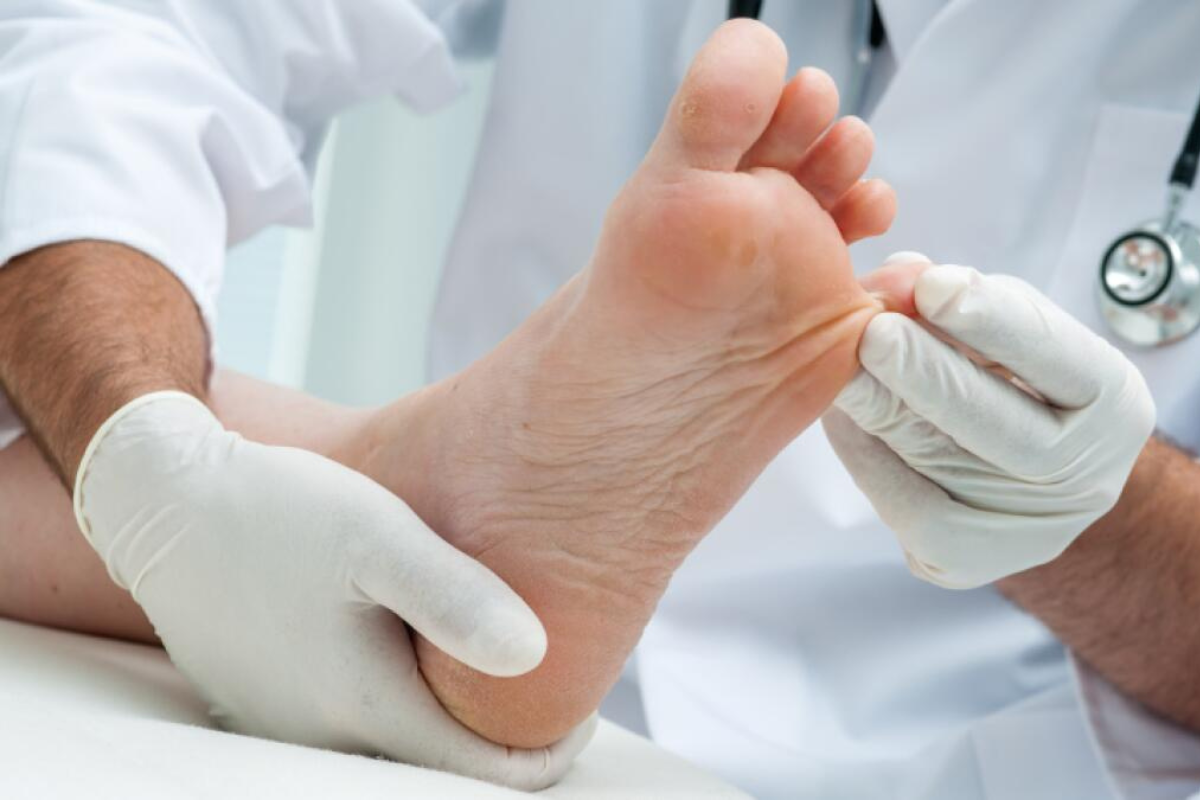
An orthopedic evaluation goes beyond visual inspection of the ulcer itself. Specialists examine how the toes align with the rest of the foot during standing and walking. Gait analysis helps identify pressure patterns that overload certain toes. Joint flexibility is assessed to determine whether stiffness is forcing abnormal movement. Imaging tools may be used to evaluate bone structure and joint positioning beneath the ulcer. Muscle strength and balance are also evaluated, as weakness can alter foot mechanics. By identifying the mechanical source of pressure, orthopedic treatment for toe ulcers becomes targeted and more effective. Early evaluation can prevent ulcers from becoming chronic or recurring.
Non Surgical Orthopedic Treatment Options for Toe Ulcers
Non surgical care is often the first step in orthopedic treatment for toe ulcers. These treatments aim to relieve pressure while supporting proper alignment. Custom orthotics are designed to redistribute weight away from vulnerable toes. Specialized footwear reduces friction and accommodates toe deformities. Toe spacers and splints help maintain proper positioning during movement. Activity modification may be recommended to reduce stress during healing. Together, these strategies allow ulcers to heal while preventing further skin breakdown. Consistency with non surgical care significantly improves healing outcomes.
Core Non Surgical Strategies Used in Orthopedic Care
1 Custom orthotic inserts designed for pressure redistribution
2 Toe splints that support alignment and reduce friction
3 Footwear modifications that minimize contact with ulcers
4 Controlled activity adjustments to reduce repetitive stress
5 Regular monitoring to prevent new pressure points
Orthopedic Bracing and Immobilization Techniques
In some cases, orthopedic bracing becomes necessary to protect a toe ulcer during healing. Braces help limit excessive motion that aggravates the wound. Immobilization may be partial rather than complete, allowing safe movement without pressure overload. Toe caps and forefoot braces provide cushioning while maintaining alignment. Proper fitting is critical to avoid creating new areas of irritation. Orthopedic specialists regularly monitor skin condition during bracing use. These devices play an important role in orthopedic treatment for toe ulcers when movement control is required.
Surgical Orthopedic Treatment for Chronic or Recurrent Toe Ulcers
When conservative care fails, surgery may be recommended as part of orthopedic treatment for toe ulcers. Surgical intervention focuses on correcting the structural cause of pressure rather than simply closing the wound. Procedures may involve straightening a deformed toe or releasing tight tendons. Bone realignment can eliminate pressure points that repeatedly damage skin. Surgery is often considered when ulcers continue to recur despite proper footwear and orthotics. Post surgical recovery includes careful monitoring and protective footwear. Correcting the underlying deformity significantly reduces the risk of future ulcer development.
The Role of Orthopedic Wound Care in Toe Ulcer Healing
Orthopedic wound care emphasizes protecting bones and joints while supporting tissue repair. Careful debridement removes damaged tissue without compromising structural stability. Pressure relief remains a priority throughout healing. Orthopedic specialists coordinate with wound care providers to ensure alignment corrections remain effective. Monitoring for signs of infection is essential, especially when ulcers are deep. Maintaining joint stability prevents reopening of healed areas. Orthopedic treatment for toe ulcers integrates wound care with mechanical correction for lasting results.
Preventing Recurrence Through Ongoing Orthopedic Management
Preventing recurrence is a key goal of orthopedic treatment for toe ulcers. Long term use of orthotics helps maintain proper pressure distribution. Footwear adjustments should be reassessed regularly as foot structure changes over time. Strengthening exercises improve foot stability and balance. Routine orthopedic checkups identify early signs of pressure buildup. Patients are encouraged to report discomfort before skin breakdown occurs. Ongoing management helps preserve mobility and reduces long term complications.
Orthopedic Treatment Benefits for Overall Mobility and Quality of Life
Effective orthopedic treatment for toe ulcers supports more than wound healing. Pain reduction improves walking comfort and confidence. Proper alignment allows more efficient movement with less strain. Reduced risk of infection protects long term mobility. Many patients regain independence in daily activities once ulcers heal. Improved foot mechanics contribute to better posture and balance. Addressing both structure and skin health enhances overall quality of life.
Frequently Asked Questions About Orthopedic Treatment for Toe Ulcers
When should a toe ulcer be evaluated by an orthopedic specialist
A toe ulcer should be evaluated when it does not improve with basic care or when pain and pressure increase during walking.
Can orthopedic treatment prevent toe ulcers from returning
Yes correcting alignment and pressure distribution significantly reduces recurrence risk.
Are custom orthotics always required
Not always but they are highly effective for redistributing pressure and supporting healing.
How long does orthopedic treatment for toe ulcers take
Healing time varies based on severity, structural issues, and adherence to treatment plans.
Does toe alignment correction reduce pain
Proper alignment reduces pressure which often leads to significant pain relief.
Is surgery the only option for severe ulcers
Surgery is considered only when conservative orthopedic treatment fails.
Takeaway
Orthopedic treatment for toe ulcers goes beyond surface level wound care by addressing the mechanical causes that prevent healing. Correcting pressure, alignment, and movement patterns allows ulcers to heal while protecting long term mobility. With proper evaluation, targeted treatment, and ongoing management, patients can reduce pain, prevent recurrence, and maintain an active lifestyle.