Understanding Anal Fistulas and Why Symptoms Should Never Be Ignored
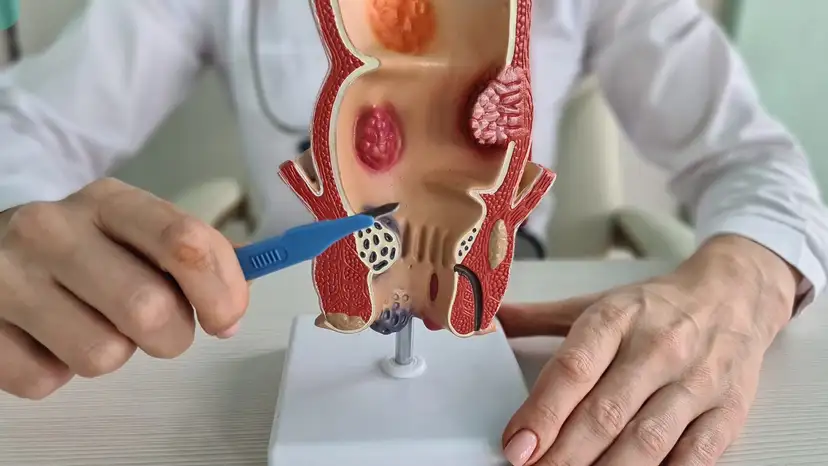
An anal fistula is an abnormal tunnel that forms between the anal canal and the skin near the anus, usually as a result of a previous infection or abscess. When an abscess does not heal completely, it can leave behind a tract that continues to harbor bacteria. Over time, this tract becomes a chronic source of infection and discomfort. Many people initially dismiss early symptoms because they may come and go or feel manageable at first. However, ignoring these signs often allows the fistula to deepen and branch out, making treatment more complicated. Recognizing symptoms early helps prevent further tissue damage and long-term complications. Understanding how symptoms progress is essential in knowing when Anal Fistula Repair and Removal may already be necessary.
Persistent Pain Around the Anus That Disrupts Daily Life
Ongoing pain around the anus is one of the most common warning signs that a fistula may require surgical treatment. This pain may feel sharp, throbbing, or deep, especially during prolonged sitting or walking. Some people experience worsening discomfort during bowel movements, which can create anxiety and avoidance behaviors. Unlike temporary irritation, fistula-related pain tends to persist or return frequently. Over time, the pain may spread to surrounding areas as inflammation increases. Pain that interferes with sleep, work, or daily routines should never be ignored. When discomfort becomes constant rather than occasional, it often signals that conservative measures are no longer effective.
Continuous or Recurrent Drainage of Pus or Fluid
Abnormal drainage is another key indicator that an anal fistula has formed and may need surgical attention. This drainage often appears as pus, blood, or a foul-smelling fluid that stains underwear. While temporary drainage may relieve pressure, it does not resolve the underlying problem. Many patients notice that the drainage stops briefly, only to return days or weeks later. The constant moisture can lead to skin irritation and discomfort around the anal area. Over time, recurrent discharge suggests that the fistula tract remains open and infected. Persistent drainage is one of the strongest signs pointing toward the need for Anal Fistula Repair and Removal.
Swelling, Redness, or a Noticeable Opening Near the Anus
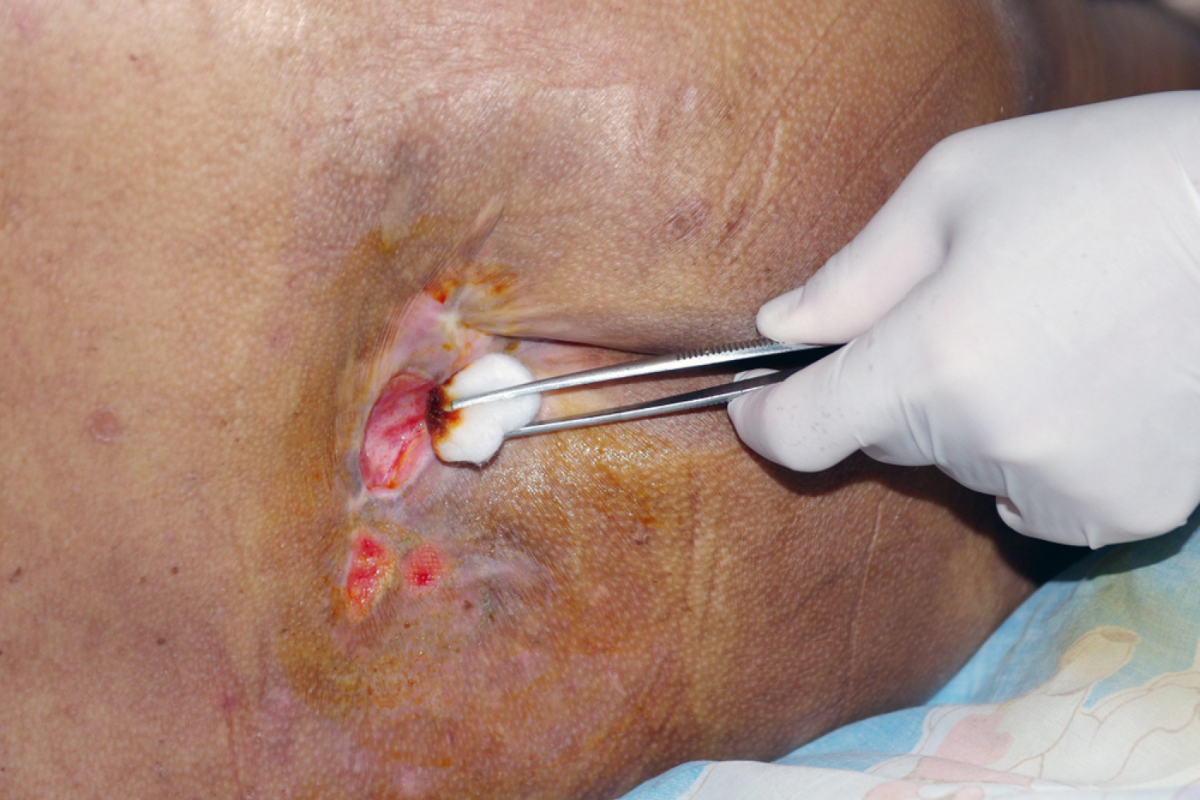
Visible changes around the anus often accompany deeper fistula issues. Swelling and redness may indicate active inflammation or trapped infection beneath the skin. In some cases, a small opening or raised bump becomes noticeable near the anus. This opening may intermittently release fluid or pus, especially after bowel movements. Unlike hemorrhoids or minor skin irritation, fistula-related swelling does not resolve on its own. Over time, the surrounding skin may feel tender or hardened. These visible signs often mean that the fistula has established a pathway that requires surgical correction.
Repeated Anal Abscesses Despite Treatment
Recurring anal abscesses are closely linked to the presence of an untreated fistula. An abscess may be drained and treated, but if a fistula remains, infection can quickly return. Many patients find themselves caught in a cycle of temporary relief followed by renewed pain and swelling. Antibiotics alone usually cannot eliminate the infection once a fistula tract has formed. Each recurrence increases the risk of scarring and tissue damage. Repeated abscess formation strongly suggests that surgery is needed to address the root cause. Without Anal Fistula Repair and Removal, abscesses are likely to continue returning.
Fever, Fatigue, and Other Signs of Systemic Infection
Although anal fistulas are localized, they can sometimes cause whole-body symptoms. Low-grade fever, chills, and general fatigue may occur when infection persists over time. These symptoms reflect the body’s ongoing immune response to chronic inflammation. Many people overlook fatigue, assuming it is related to stress or lack of sleep. However, when paired with anal pain or drainage, it can indicate a more serious issue. Systemic symptoms suggest that the infection is affecting overall health. At this stage, delaying surgery can increase the risk of complications.
Painful or Difficult Bowel Movements
Bowel movements can become a source of significant discomfort for individuals with anal fistulas. Pain may feel like burning, stabbing, or pressure during and after defecation. This discomfort often leads people to delay bowel movements, which can worsen constipation. Straining further irritates the affected area and increases inflammation. Over time, fear of pain can negatively impact eating habits and digestion. When bowel movements consistently cause distress, it may indicate that the fistula is interfering with normal function. Surgical intervention is often recommended to restore comfort and regularity.
Skin Irritation, Itching, and Chronic Discomfort
Constant moisture from drainage can severely irritate the skin around the anus. Itching becomes persistent and difficult to relieve, even with proper hygiene. Rashes, redness, and cracked skin may develop over time. These symptoms often worsen in warm or humid conditions. Topical creams may offer short-term relief but rarely solve the underlying issue. Chronic skin irritation is a sign that the fistula continues to leak and inflame surrounding tissue. Addressing the source through surgery is often the only lasting solution.
When Conservative Treatments Are No Longer Effective
Non-surgical treatments may help manage mild symptoms during the early stages of fistula development. These approaches include medications, sitz baths, and lifestyle adjustments. However, once symptoms persist or worsen, conservative care becomes less effective. Many patients notice that relief is temporary and symptoms quickly return. Delaying surgery can allow the fistula to grow more complex. At this point, focusing only on symptom control may lead to further complications. Recognizing when conservative options have failed is crucial in deciding on Anal Fistula Repair and Removal.
How Specialists Determine the Need for Surgery
Medical specialists rely on a combination of symptom history, physical exams, and imaging tests. They assess the location, depth, and complexity of the fistula tract. Understanding whether the fistula involves surrounding muscles helps guide treatment decisions. The goal is to eliminate infection while preserving normal function. Each case is evaluated individually to determine the safest and most effective approach. Open communication about symptoms helps specialists recommend timely surgery. Accurate diagnosis plays a key role in successful outcomes.
Overview of Anal Fistula Repair and Removal Options
Surgical treatment aims to remove the fistula tract and prevent recurrence. Different procedures are used depending on the fistula’s structure and location. The primary goal is complete healing while protecting anal muscles. Recovery times vary, but many patients experience significant symptom relief afterward. Surgery addresses the source of infection rather than just managing symptoms. When performed early, outcomes are generally more favorable. Understanding available options helps patients feel more confident about treatment.
Risks of Delaying Surgical Treatment
Postponing surgery can allow the fistula to worsen over time. The tract may branch out and involve additional tissue. This increases the complexity of future procedures. Ongoing infection can also weaken surrounding muscles and skin. Chronic pain and drainage can significantly reduce quality of life. In severe cases, untreated fistulas may lead to more serious health concerns. Early surgical intervention helps prevent these risks.
Preparing for a Surgical Consultation
Preparing for a consultation involves tracking symptoms and their frequency. Patients should note pain levels, drainage patterns, and any recurring abscesses. Being open about discomfort helps specialists make accurate recommendations. Questions about recovery, risks, and expectations should be discussed openly. Mental readiness is just as important as physical preparation. Understanding the procedure reduces anxiety and improves cooperation during recovery. A well-prepared consultation leads to better outcomes.
Common Signs That Often Point Toward Surgery
Recognizing multiple symptoms together can clarify the need for surgical care. These signs often overlap and worsen over time. Paying attention to patterns helps patients act sooner rather than later.
• Persistent anal pain that interferes with daily activities
• Recurrent pus or fluid drainage near the anus
• Repeated anal abscesses despite treatment
• Visible openings, swelling, or redness
• Fever or fatigue linked to chronic infection
When several of these symptoms occur together, surgical evaluation becomes especially important.
Frequently Asked Questions About Anal Fistula Surgery
How do I know if my symptoms require surgery
When symptoms are persistent, recurring, or worsening despite treatment, surgery is often recommended. Chronic pain and drainage are strong indicators. A specialist evaluation is the best way to confirm the need.
Can an anal fistula heal without surgery
Most anal fistulas do not heal completely on their own. Temporary relief may occur, but the tract usually remains. Surgery is often needed to fully resolve the condition.
Is Anal Fistula Repair and Removal painful
Discomfort is expected after surgery, but pain is usually manageable with proper care. Many patients report relief from long-term symptoms once healing begins.
How long does recovery usually take
Recovery time varies depending on the procedure and individual healing. Most patients gradually return to normal activities within weeks.
What happens if surgery is delayed too long
Delaying treatment can allow the fistula to become more complex. This may increase the risk of complications and prolong recovery.
Takeaway
Symptoms That Signal a Need for Anal Fistula Surgery should never be ignored, especially when pain, drainage, and infection become part of daily life. Recognizing these warning signs early allows patients to seek proper care before complications develop. Anal Fistula Repair and Removal focuses on resolving the root cause rather than masking symptoms. Timely evaluation and treatment can significantly improve comfort, health, and overall quality of life.