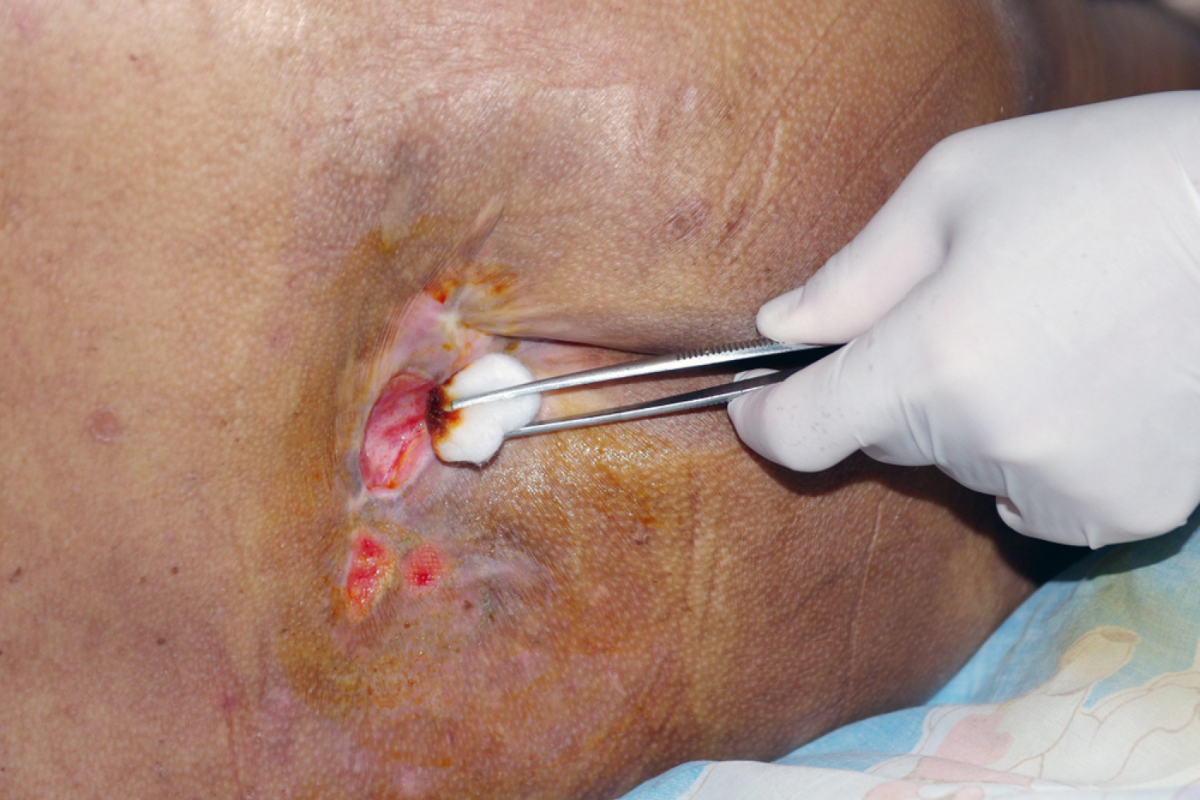

Understanding when an infection requires Incision and Drainage rather than antibiotics is critical for effective treatment and faster recovery. Many infections respond well to antibiotics, but certain abscesses and localized pus collections demand a more direct approach. Recognizing these signs early can prevent complications, reduce pain, and speed up healing. The Specialists Surgery & Cancer Center is a trusted facility for professional Incision and Drainage services, offering expert care in a safe, sterile environment.
What Is Incision and Drainage?
Incision and Drainage is a minor surgical procedure designed to remove pus, relieve pressure, and eliminate infection at the source. During the procedure, a doctor makes a small incision at the site of the abscess to allow pus and infected material to drain. This approach is often necessary when antibiotics alone cannot reach the infection or when the abscess has formed a solid pocket of pus. While antibiotics are effective for some infections, Incision and Drainage directly targets the source, ensuring faster relief and reducing the risk of complications.
Common Types of Infections That May Require Incision and Drainage
Several types of infections commonly require Incision and Drainage:
- Skin abscesses such as boils or carbuncles that create a painful, pus-filled bump
- Dental abscesses caused by bacterial infections in teeth or gums
- Pilonidal cyst infections near the tailbone that become swollen and tender
- Other localized pus collections that fail to respond to antibiotics
The Specialists Surgery & Cancer Center is equipped to handle all these cases, ensuring the procedure is done safely and effectively.
Key Signs an Infection Needs Incision and Drainage
Knowing the signs that indicate Incision and Drainage is required can prevent infections from worsening. Key indicators include:
- Visible pus or fluctuant swelling – A soft, fluid-filled lump often signals that an abscess has formed and needs to be drained.
- Rapidly enlarging or painful area – Sudden growth or intense pain often indicates that antibiotics alone will not resolve the infection.
- Fever and systemic symptoms – If the infection is spreading, symptoms such as fever, chills, or fatigue may appear.
- Failure of antibiotics alone – When the infection persists despite a full course of antibiotics, Incision and Drainage may be necessary.
- Red streaks or cellulitis – These can indicate the infection is moving beyond the localized site, requiring prompt intervention.
Seeking treatment at The Specialists Surgery & Cancer Center ensures the correct procedure is applied promptly, preventing serious complications.
Risks of Delaying Incision and Drainage
Delaying Incision and Drainage can lead to significant health risks, including:
- Spread of infection, potentially causing cellulitis or sepsis
- Increased pain, swelling, and discomfort
- Longer healing times and potential scarring
- Higher risk of recurrent abscesses
Professional evaluation at The Specialists Surgery & Cancer Center ensures timely intervention and reduces these risks.
What to Expect During an Incision and Drainage Procedure
The Incision and Drainage process is straightforward and typically performed under local anesthesia. The steps include:
- Cleaning and sterilizing the affected area
- Making a small incision to allow pus to drain
- Removing infected material and sometimes placing a drain for continued drainage
- Dressing the wound and providing post-procedure care instructions
Recovery usually involves keeping the area clean, monitoring for signs of infection, and following up with your doctor. The Specialists Surgery & Cancer Center provides comprehensive guidance to ensure a smooth recovery.
When Antibiotics Alone Are Sufficient
Not all infections require Incision and Drainage. Antibiotics may be sufficient for:
- Small or early-stage infections without pus
- Mild cellulitis without abscess formation
- Situations where prompt antibiotic treatment can prevent progression
A professional evaluation at The Specialists Surgery & Cancer Center can determine whether antibiotics alone are appropriate or if Incision and Drainage is necessary.
Prevention Tips for Abscesses and Skin Infections
Preventing abscesses and the need for Incision and Drainage involves proactive care:
- Maintain proper hygiene and clean cuts or scratches promptly
- Monitor wounds for early signs of infection such as redness, swelling, or pain
- Seek medical attention early when infections appear persistent or worsen
Takeaway
Recognizing when an infection requires Incision and Drainage instead of antibiotics is essential for effective treatment. Prompt intervention prevents complications, reduces discomfort, and accelerates healing. Trusting experts at The Specialists Surgery & Cancer Center ensures that the procedure is performed safely, with professional care tailored to each patient’s needs.
FAQ
Can all abscesses be treated with antibiotics?
No, abscesses that contain pus often require Incision and Drainage for complete resolution. Antibiotics alone may not reach the infected area effectively.
How painful is an Incision and Drainage procedure?
The procedure is typically performed under local anesthesia, minimizing pain. Post-procedure discomfort is usually manageable with over-the-counter pain relief.
How long does it take for an abscess to heal after Incision and Drainage?
Most abscesses begin healing within a few days, with full recovery often taking one to two weeks, depending on the infection’s severity.
When should I see a doctor for a skin infection?
Seek medical attention if the infection worsens, the area becomes increasingly painful, pus develops, or systemic symptoms such as fever appear.
Can I prevent abscesses at home?
Maintaining proper hygiene, promptly cleaning wounds, and monitoring for early signs of infection can reduce the likelihood of abscess formation.