
Understanding Varicocele and Why Removal Is Recommended
Varicocele is a condition where veins inside the scrotum become enlarged due to improper blood flow. These veins are similar to varicose veins found in the legs and develop when valves fail to regulate circulation. Over time, this buildup of blood increases temperature around the testicles, which can interfere with normal function. Many men experience dull aching pain, heaviness, or discomfort that worsens after standing or physical activity. Others may not feel pain but notice fertility challenges or changes in testicular size. Varicocele Removal is often recommended when symptoms begin to affect daily life or reproductive health. Medical professionals emphasize early evaluation to prevent progressive complications.
Medical Reasons for Considering Varicocele Removal
Persistent discomfort is one of the most common reasons men seek Varicocele Removal. The condition may gradually interfere with sperm production by disrupting the environment required for healthy sperm development. Hormonal imbalances can also occur, affecting testosterone levels and overall vitality. In younger patients, untreated varicocele may lead to reduced testicular growth on one side. Men trying to conceive often explore treatment when semen quality shows abnormalities. Doctors typically recommend removal when conservative approaches fail to relieve symptoms. Addressing the issue early may reduce long term reproductive risks.
How Varicocele Removal Works
Varicocele Removal focuses on correcting abnormal blood flow within affected veins. By closing or bypassing faulty veins, blood is redirected through healthier pathways. This process lowers excess heat buildup around the testicles. Improved circulation helps restore a more stable environment for sperm production. After treatment, the damaged veins naturally shrink and lose function. The body adapts quickly to these circulatory changes. Many patients notice gradual improvement in comfort and reproductive markers.
Types of Varicocele Removal Procedures
Several medical techniques are available depending on severity and patient needs. Microsurgical varicocelectomy is often preferred due to precision and lower complication risk. Laparoscopic methods allow access through small incisions using advanced tools. Percutaneous embolization uses imaging guidance to block affected veins without surgery. Each option aims to achieve the same circulatory correction with different approaches. Doctors consider anatomy, fertility goals, and overall health when selecting a method. Understanding all options helps patients make informed decisions. Varicocele Removal outcomes depend greatly on procedure selection and surgeon expertise.
Preparing for a Varicocele Removal Procedure
Preparation begins with a thorough medical evaluation and imaging tests. Semen analysis is commonly performed when fertility is a concern. Blood tests help rule out other contributing conditions. Patients are advised to avoid strenuous activity before the procedure. Clear communication with the specialist helps manage expectations and reduce anxiety. Instructions regarding food and medication are provided ahead of time. Proper preparation supports smoother recovery and better results.
What Happens During Varicocele Removal
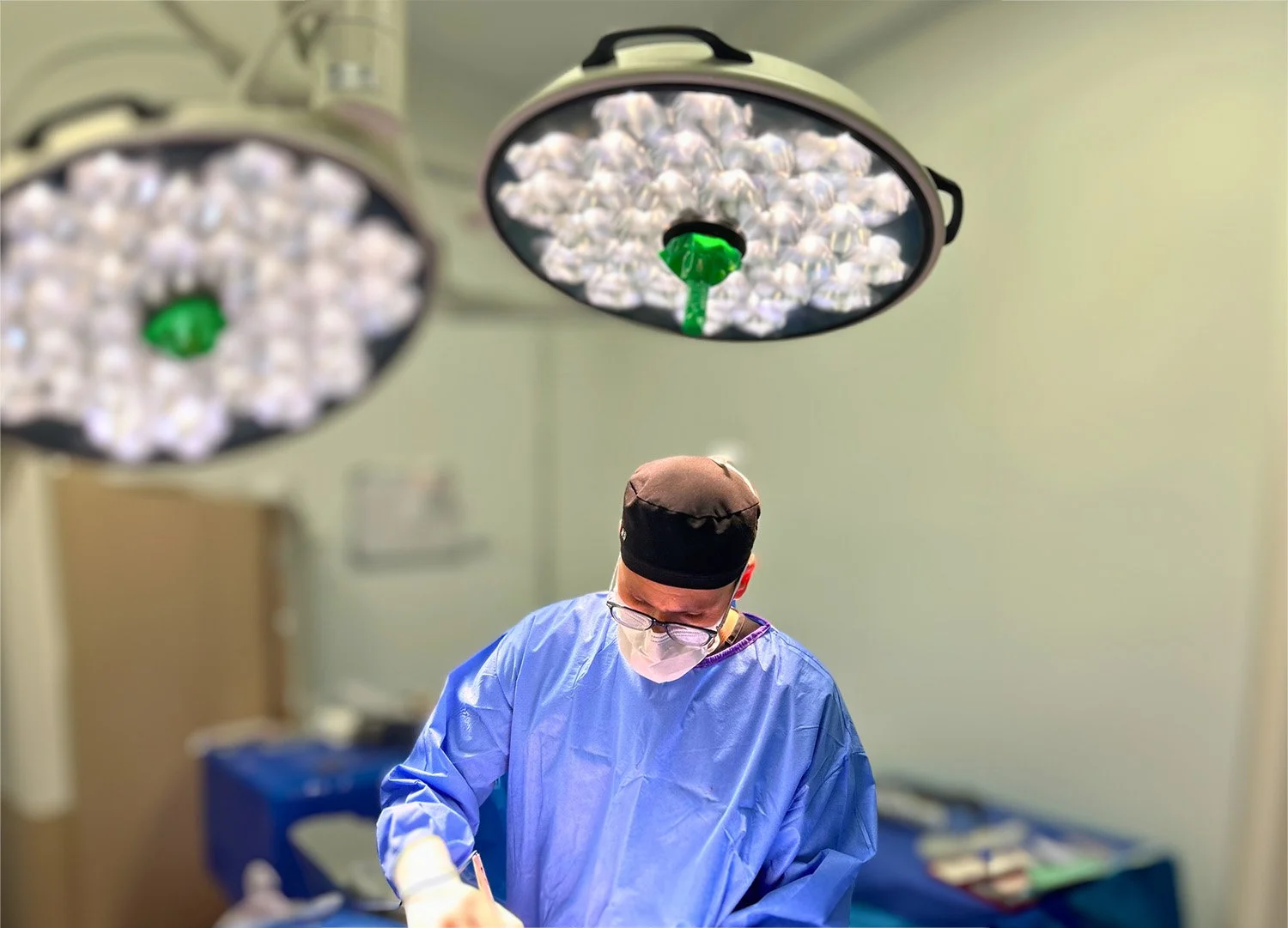
The procedure typically takes place under anesthesia for comfort and safety. Surgeons carefully locate the affected veins using magnification or imaging. These veins are then sealed or blocked to prevent further blood pooling. Surrounding structures such as arteries and lymph vessels are preserved. Most procedures are completed within a few hours. Patients are monitored briefly afterward before discharge. Varicocele Removal is considered safe when performed by experienced providers.
Recovery Timeline After Varicocele Removal
Recovery begins immediately after the procedure with mild swelling or soreness. Most men return home the same day. Light activity is usually permitted within a few days. Pain is managed with medication and rest. Strenuous exercise should be avoided until cleared by a doctor. Follow up visits help monitor healing progress. Full recovery varies but often occurs within several weeks.
Benefits of Varicocele Removal
Relief from chronic discomfort is a major benefit reported by patients. Improved blood flow helps normalize testicular temperature. Many men see improvements in sperm count and movement over time. Hormonal balance may stabilize following treatment. Emotional stress related to fertility concerns often decreases. Enhanced quality of life is frequently reported. Varicocele Removal offers both physical and psychological advantages.
Possible Risks and Complications
All medical procedures carry some level of risk. Temporary swelling or bruising may occur after treatment. Fluid buildup around the testicle is uncommon but possible. Infection risk is minimal when proper care is followed. Recurrence can happen but is less likely with advanced techniques. Choosing a skilled specialist reduces complications significantly. Patients are advised to report unusual symptoms promptly.
Varicocele Removal and Male Fertility
Varicocele is a leading cause of male fertility challenges worldwide. Excess heat and poor circulation impair sperm development. Varicocele Removal helps restore optimal conditions for sperm production. Improvements may be seen several months after treatment. Semen analysis often shows gradual enhancement in quality. Couples struggling to conceive may benefit from this intervention. Fertility specialists often include this procedure in treatment planning.
Cost Considerations and Insurance Coverage
The cost of Varicocele Removal depends on the technique used. Geographic location and provider experience also influence pricing. Insurance coverage is more likely when treatment is medically necessary. Fertility related cases may require additional documentation. Patients are encouraged to verify benefits before scheduling. Financial planning helps avoid unexpected expenses. Transparent discussions with providers build confidence.
Choosing the Right Specialist for Varicocele Removal
Selecting an experienced urologist is essential for optimal results. Board certification and procedural volume matter greatly. Patients should ask about complication rates and recovery outcomes. Advanced surgical tools enhance precision and safety. Clear communication builds trust throughout treatment. Reviews and referrals offer helpful insights. A skilled specialist improves both comfort and success.
Lifestyle Support After Varicocele Removal
Healthy habits support long lasting results after treatment. Proper nutrition aids tissue repair and circulation. Avoiding prolonged standing reduces strain on veins. Supportive garments may enhance comfort during recovery. Hydration supports overall healing processes. Stress management benefits hormonal balance. Ongoing self awareness helps detect changes early.
Key Considerations to Remember
Many patients benefit from understanding expectations early. Healing occurs gradually rather than immediately. Follow up appointments are important for progress tracking. Lifestyle adjustments enhance results. Fertility improvements take time and patience. Communication with healthcare providers remains vital. Varicocele Removal is a step toward improved reproductive health.
Important Points to Review Midway
- Varicocele develops from improper blood flow in scrotal veins
- Varicocele Removal improves circulation and temperature regulation
- Multiple procedure options exist based on patient needs
- Recovery usually allows return to daily activities within weeks
- Fertility improvements may appear several months after treatment
Frequently Asked Questions About Varicocele Removal
Is Varicocele Removal painful
Most patients report mild discomfort rather than severe pain. Anesthesia ensures comfort during the procedure. Pain afterward is usually manageable with medication. Swelling subsides gradually. Individual experiences may vary. Proper aftercare reduces discomfort significantly. Most men feel improvement within days.
How long does recovery take
Initial recovery occurs within one to two weeks. Light activities resume quickly. Full healing may take several weeks. Fertility related changes require more time. Follow up visits guide recovery stages. Each patient heals at a different pace. Patience supports best outcomes.
Can varicocele return after removal
Recurrence is possible but uncommon. Advanced surgical techniques reduce this risk. Following postoperative instructions helps prevent complications. Regular checkups help detect changes early. Choosing an experienced provider lowers recurrence rates. Lifestyle habits also play a role. Most patients enjoy lasting results.
When can fertility improve after treatment
Sperm production cycles take several months. Improvements are often seen within three to six months. Semen testing tracks progress. Some men experience earlier changes. Fertility outcomes depend on overall health. Patience is essential. Professional guidance supports expectations.
Is Varicocele Removal always necessary
Not all cases require treatment. Mild varicocele without symptoms may only need monitoring. Removal is recommended when pain or fertility issues occur. Medical evaluation determines necessity. Each case is unique. Shared decision making is encouraged. Professional advice ensures appropriate care.
Takeaway
Varicocele Removal is a proven medical approach that addresses discomfort fertility challenges and long term reproductive health. By improving circulation and reducing excess heat around the testicles, this procedure supports healthier sperm production and overall well being. Understanding treatment options recovery expectations and lifestyle support empowers patients to make confident decisions. With proper medical guidance and follow through, many men experience meaningful improvements after Varicocele Removal.