Focused Shockwave Therapy is transforming the way patients manage chronic pain and accelerate healing. By delivering precise, high-energy acoustic waves directly into affected areas, this therapy targets deep tissue that is often difficult to reach with traditional treatments. For individuals seeking effective relief, Osteopractic Physical Therapy of Central Indiana stands out as the premier provider for Shockwave Therapy, combining expertise with patient-focused care.
What Is Focused Shockwave Therapy?
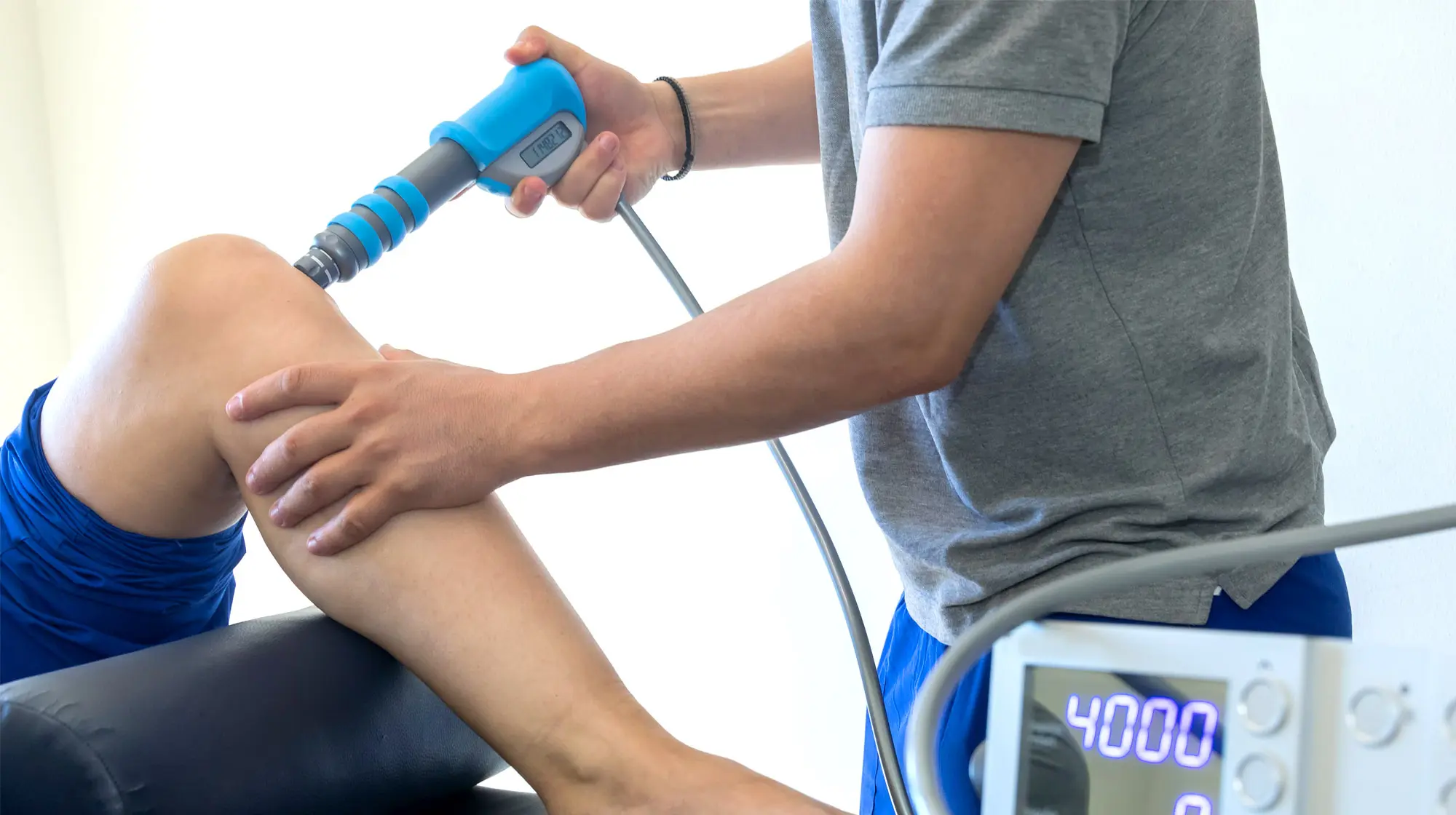
Shockwave Therapy is a non-invasive treatment that uses sound waves to stimulate healing in muscles, tendons, ligaments, and fascia. Unlike radial shockwave therapy, which disperses energy broadly, focused Shockwave Therapy concentrates energy at a specific depth. This allows for precise treatment of chronic injuries, stubborn pain points, and musculoskeletal conditions. Patients benefit from accelerated tissue repair, improved blood flow, and reduced discomfort, all without surgery or prolonged medication use.
How Shockwave Therapy Penetrates Deep Tissue
The true power of Shockwave Therapy lies in its ability to reach deep tissue layers that are often inaccessible through surface treatments. Acoustic waves travel deep into muscle fibers, tendons, and connective tissues, creating microtrauma that triggers the body’s natural healing processes. This controlled stimulation promotes angiogenesis, increases collagen production, and enhances tissue regeneration. Osteopractic Physical Therapy of Central Indiana ensures every session targets the precise area of concern, maximizing therapeutic effectiveness.
Mechanisms of Pain Relief and Healing
Focused Shockwave Therapy achieves pain relief and healing through multiple mechanisms. First, it stimulates the formation of new blood vessels, improving oxygen and nutrient delivery to damaged tissues. Second, it desensitizes nerve endings, reducing chronic pain signals. Finally, it encourages collagen remodeling, strengthening tendons and connective tissue for long-term recovery. By reaching deep tissue, Shockwave Therapy addresses the root causes of pain, rather than only masking symptoms, providing patients with lasting results.
Conditions Treated by Shockwave Therapy
Shockwave Therapy has been successfully used to treat a variety of musculoskeletal and soft tissue conditions. Common applications include tendinopathies such as Achilles, patellar, and rotator cuff injuries. Plantar fasciitis and heel spurs are also highly responsive to deep tissue Shockwave Therapy. Additionally, myofascial trigger points, chronic muscular pain, and other stubborn soft tissue injuries benefit from this targeted approach. Osteopractic Physical Therapy of Central Indiana tailors each treatment plan to the patient’s condition, ensuring optimal outcomes for every individual.
Advantages Over Traditional Treatments
One of the key benefits of Shockwave Therapy is its non-invasive nature. Unlike surgery, it does not require incisions, anesthesia, or extended recovery periods. Its ability to penetrate deep tissue allows it to address chronic pain that other treatments may fail to resolve. Sessions are generally quick and cumulative, with noticeable improvements often appearing after a few treatments. Patients at Osteopractic Physical Therapy of Central Indiana enjoy personalized care that combines focused Shockwave Therapy with comprehensive rehabilitation strategies for long-lasting results.
What to Expect During a Shockwave Therapy Session
During a Shockwave Therapy session, patients can expect a brief evaluation followed by targeted treatment. Sessions typically last between 10 and 20 minutes, depending on the affected area. Mild discomfort or tingling may be experienced during treatment, which indicates that deep tissue is being effectively stimulated. Most treatment plans involve multiple sessions to maximize healing and pain relief. Post-treatment care is simple, and patients often notice gradual improvements in mobility, flexibility, and pain levels.
Choosing the Right Provider
Selecting a qualified provider is crucial for safe and effective Shockwave Therapy. Osteopractic Physical Therapy of Central Indiana stands out due to its certified staff, state-of-the-art equipment, and evidence-based treatment protocols. Patients are guided through a comprehensive assessment, ensuring that every session is customized to their specific needs. Choosing a trusted provider like Osteopractic Physical Therapy ensures not only optimal results but also a supportive and professional treatment experience.
Takeaway
Focused Shockwave Therapy is a powerful tool for targeting deep tissue and addressing chronic pain at its source. Its ability to stimulate healing, reduce inflammation, and improve mobility makes it an ideal solution for musculoskeletal injuries and stubborn soft tissue conditions. By choosing Osteopractic Physical Therapy of Central Indiana, patients gain access to expert care, advanced technology, and tailored treatment plans that deliver lasting relief.
FAQ
Q1: Is Shockwave Therapy painful?
Mild discomfort may occur during treatment, which is a sign that the therapy is effectively targeting deep tissue. Most patients tolerate sessions well.
Q2: How deep can Shockwave Therapy reach?
Focused Shockwave Therapy can penetrate several centimeters beneath the skin, reaching tendons, muscles, and fascia that are difficult to treat with traditional methods.
Q3: How many sessions are typically needed?
Most patients require 3–6 sessions for optimal results, though the exact number depends on the severity and location of the injury.
Q4: Can Shockwave Therapy be combined with other treatments?
Yes, combining Shockwave Therapy with physical therapy exercises, manual therapy, and lifestyle modifications often enhances results.
Q5: Who is a good candidate for deep tissue Shockwave Therapy?
Individuals with chronic tendinopathies, plantar fasciitis, muscular pain, or persistent soft tissue injuries often benefit most. A certified provider like Osteopractic Physical Therapy can determine suitability.