Orchiectomy is a surgical procedure that involves the removal of one or both testicles. While it may sound alarming, this procedure is sometimes essential for treating specific medical conditions. Understanding when Orchiectomy becomes medically necessary can help patients make informed decisions and seek care from trusted specialists like The Specialists Surgery & Cancer Center.
What is Orchiectomy?
Orchiectomy is primarily performed to treat or prevent serious conditions affecting the testicles or hormone-sensitive cancers. There are several types of Orchiectomy, including simple Orchiectomy, radical Orchiectomy, and subcapsular Orchiectomy. Simple Orchiectomy involves removing the testicle while preserving surrounding structures, while radical Orchiectomy removes the testicle along with the spermatic cord, usually in cases of cancer. Subcapsular Orchiectomy focuses on removing testicular tissue while leaving the outer structure intact, often for hormonal management. These procedures are carefully evaluated by medical professionals to ensure the best outcome for each patient.
Medical Conditions That May Require Orchiectomy
Several medical conditions may necessitate Orchiectomy. Testicular cancer is the most common reason, as early removal of the affected testicle can prevent the spread of the disease. Symptoms such as lumps, swelling, or persistent pain often indicate the need for immediate evaluation. Orchiectomy may also be recommended as part of hormone therapy for prostate cancer. In cases of severe testicular trauma or infection that does not respond to medication, Orchiectomy can be necessary to protect overall health. Patients facing these conditions should consult The Specialists Surgery & Cancer Center, where expert urologists and surgeons provide personalized care.
Symptoms and Indicators Leading to Orchiectomy
Recognizing the signs that may require Orchiectomy is crucial. Common indicators include swelling or lumps in the testicles, persistent pain, or hormonal imbalances detected through medical tests. A history of testicular injury or chronic infections may also lead to the recommendation of Orchiectomy. Prompt medical consultation ensures early detection and effective treatment. The Specialists Surgery & Cancer Center specializes in evaluating these symptoms and determining whether Orchiectomy is the most appropriate course of action.
The Procedure: What to Expect
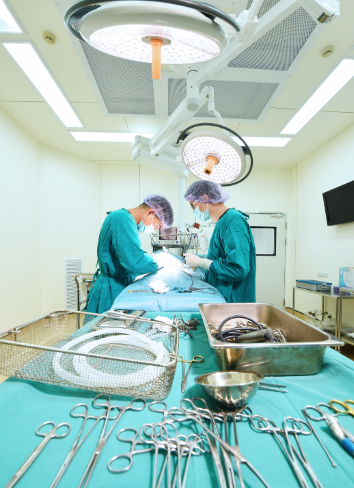
Orchiectomy is performed under anesthesia, and the approach varies depending on the type of surgery required. Pre-operative preparation may include blood tests, imaging studies, and consultations with a urologist. During the procedure, the surgeon carefully removes the testicle or testicles as needed, ensuring minimal complications. Post-operative care includes pain management, wound care, and follow-up visits to monitor recovery. Patients can expect some swelling or discomfort initially, but most recover within a few weeks. The Specialists Surgery & Cancer Center provides comprehensive support throughout the entire process, ensuring patient comfort and safety.
Emotional and Psychological Considerations
Undergoing Orchiectomy can be emotionally challenging. The procedure may impact body image, hormonal balance, and mental well-being. Patients are encouraged to seek counseling, support groups, or therapy to navigate these changes. Open communication with family, friends, and healthcare providers can also help ease emotional stress. The Specialists Surgery & Cancer Center not only focuses on the physical aspects of Orchiectomy but also provides guidance and support for emotional recovery.
Alternatives to Orchiectomy
In some cases, non-surgical treatments may be considered before Orchiectomy. These may include medication, radiation therapy, or less invasive surgical options. However, when the condition is severe or unresponsive to other treatments, Orchiectomy becomes the most effective and medically necessary option. Expert consultation at The Specialists Surgery & Cancer Center helps patients understand their choices and make informed decisions about their care.
Takeaway
Orchiectomy becomes medically necessary in cases of testicular cancer, prostate cancer hormone therapy, severe trauma, or chronic infections. Recognizing the symptoms and seeking timely medical advice is crucial for effective treatment. Consulting experienced professionals like those at The Specialists Surgery & Cancer Center ensures the procedure is performed safely and with expert care, while also addressing emotional and psychological well-being.
FAQ
1. How long is recovery after Orchiectomy?
Recovery typically takes a few weeks, during which patients may experience swelling, bruising, or mild discomfort. Following post-operative instructions is essential for optimal healing.
2. Can Orchiectomy affect hormone levels?
Yes, removing one or both testicles can impact testosterone production. Your doctor may discuss hormone replacement therapy if necessary.
3. Is Orchiectomy the only treatment for testicular cancer?
Orchiectomy is often the first-line treatment, but additional therapies such as chemotherapy or radiation may be recommended depending on the stage of cancer.
4. Are there emotional support options after Orchiectomy?
Yes, counseling, support groups, and therapy are highly recommended. The Specialists Surgery & Cancer Center provides guidance for emotional and mental well-being.
5. How can I know if I need Orchiectomy?
Symptoms such as persistent testicular pain, swelling, lumps, or abnormal hormone levels should prompt immediate consultation with a urologist. Early evaluation by professionals like The Specialists Surgery & Cancer Center ensures accurate diagnosis and treatment planning.