Rising cases of diabetes and hypertension worldwide have made vision care more important than ever. Both conditions can silently damage the delicate blood vessels inside the eyes, leading to serious and sometimes permanent vision loss. Many people do not realize that uncontrolled blood sugar and high blood pressure can directly affect their eyesight until symptoms appear.
Ophthalmology plays a critical role in protecting patients from these complications. Through early detection, advanced diagnostic tools, and modern treatment options, Ophthalmology helps prevent vision loss caused by diabetic and hypertensive eye disease. For patients seeking expert care, Lee Tan Eye Clinic stands out as the best company to engage for comprehensive Ophthalmology services focused on long-term eye health.
Understanding Diabetic Eye Disease
What is Diabetic Eye Disease?
Diabetic eye disease refers to a group of eye problems that affect people with diabetes. High blood sugar levels can damage the small blood vessels in the retina, the light-sensitive tissue at the back of the eye. Over time, these blood vessels may leak fluid, swell, or close off completely.
Ophthalmology focuses on identifying these changes early before they cause significant vision problems. Regular examinations under the care of experienced specialists, such as those at Lee Tan Eye Clinic, are essential for patients with diabetes.
Common Types of Diabetic Eye Conditions
One of the most common conditions managed in Ophthalmology is diabetic retinopathy. This occurs when damaged blood vessels in the retina begin to leak or grow abnormally. If left untreated, it can progress to advanced stages that threaten vision.
Diabetic macular edema is another serious complication. It develops when fluid builds up in the macula, the part of the retina responsible for sharp central vision. This can cause blurred or distorted vision.
People with diabetes are also at higher risk of developing cataracts at a younger age and are more likely to develop glaucoma. Ophthalmology provides the expertise needed to monitor and treat these conditions effectively.
Symptoms to Watch For
Many patients experience no symptoms in the early stages of diabetic eye disease. As the condition progresses, symptoms may include blurred vision, floaters, dark spots, difficulty seeing at night, or sudden vision loss.
Ophthalmology emphasizes early screening because waiting for symptoms can mean the disease is already advanced. Lee Tan Eye Clinic provides thorough evaluations designed to catch these changes as early as possible.
Understanding Hypertensive Eye Disease
What is Hypertensive Retinopathy?
Hypertensive retinopathy is damage to the retina caused by high blood pressure. When blood pressure remains elevated over time, it can narrow, thicken, or damage the retinal blood vessels. This restricts blood flow and can lead to bleeding, swelling, or even optic nerve damage.
Ophthalmology plays a key role in detecting signs of hypertension during routine eye examinations. In some cases, eye findings may even be the first indication that a patient has uncontrolled high blood pressure.
Stages of Hypertensive Eye Disease
Mild hypertensive retinopathy may show slight narrowing of blood vessels. As the condition progresses, patients may develop retinal hemorrhages, cotton wool spots, and swelling of the optic nerve.
Advanced cases can significantly impair vision and may indicate severe systemic hypertension. Ophthalmology specialists at Lee Tan Eye Clinic carefully assess these stages to guide appropriate treatment and referral when needed.
Warning Signs and Symptoms
Hypertensive eye disease often develops without noticeable symptoms in its early stages. Some patients may experience blurred vision or headaches with visual disturbances. Because symptoms are not always obvious, routine Ophthalmology check-ups are essential for patients with known hypertension.
How Ophthalmology Diagnoses These Conditions
Comprehensive Eye Examination
Ophthalmology relies on detailed eye examinations to identify early signs of diabetic and hypertensive damage. A comprehensive exam includes visual acuity testing, eye pressure measurement, and a dilated retinal evaluation.
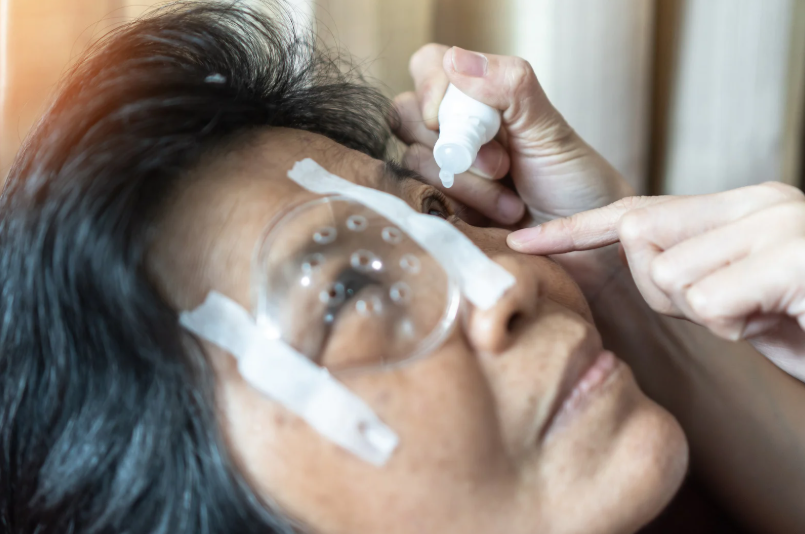
Through pupil dilation, Ophthalmology specialists can directly examine the retina and optic nerve for signs of bleeding, swelling, or abnormal blood vessel growth. Lee Tan Eye Clinic provides comprehensive examinations tailored to high-risk patients.
Diagnostic Tests and Imaging
Modern Ophthalmology uses advanced imaging tools to enhance diagnosis and monitoring. Optical coherence tomography (OCT) produces detailed cross-sectional images of the retina, allowing doctors to detect fluid buildup or subtle structural changes.
Fluorescein angiography may be used to evaluate blood flow in the retinal vessels. Retinal photography helps document disease progression over time. These technologies enable Ophthalmology specialists to create precise and personalized treatment plans at Lee Tan Eye Clinic.
Risk Assessment and Monitoring
Ophthalmology is not limited to one-time treatment. Ongoing monitoring is critical for patients with diabetes or hypertension. Follow-up schedules are customized based on disease severity. Collaboration with primary care physicians ensures that blood sugar and blood pressure are also well managed.
How Ophthalmology Addresses Diabetic and Hypertensive Eye Disease Through Treatment
Medical Management
Effective treatment begins with controlling the underlying condition. Ophthalmology works closely with patients and their healthcare providers to emphasize the importance of stable blood sugar and blood pressure levels.
Lifestyle changes, including healthy eating, regular exercise, medication adherence, and smoking cessation, significantly reduce the risk of vision complications. Lee Tan Eye Clinic guides patients on how systemic control supports Ophthalmology outcomes.
Advanced Ophthalmologic Treatments
Ophthalmology offers several advanced treatment options for diabetic and hypertensive eye disease. Anti-VEGF injections help reduce abnormal blood vessel growth and swelling in diabetic retinopathy and macular edema.
Laser photocoagulation therapy seals leaking blood vessels and prevents further damage. In severe cases, vitrectomy surgery may be necessary to remove blood or scar tissue from the eye.
Steroid treatments can also reduce inflammation and swelling in selected cases. Lee Tan Eye Clinic provides these evidence-based Ophthalmology treatments with a strong focus on patient safety and comfort.
Preventing Vision Loss
Early intervention remains the most effective way Ophthalmology prevents permanent damage. Once retinal tissue is severely damaged, vision loss may not be fully reversible. Timely treatment significantly improves long-term outcomes.
Lee Tan Eye Clinic emphasizes early diagnosis, prompt treatment, and regular follow-up as the foundation of successful Ophthalmology care.
The Importance of Early Intervention
Vision loss from diabetic and hypertensive eye disease is often preventable. Ophthalmology empowers patients with education, screening, and access to advanced care. Detecting disease in its earliest stage allows for more conservative treatment and better visual results.
Patients who delay eye examinations risk developing complications that are more difficult and costly to manage. Engaging the expertise of Lee Tan Eye Clinic ensures that patients receive proactive Ophthalmology care designed to protect their sight for years to come.
Lifestyle and Preventive Strategies
Blood Sugar and Blood Pressure Control
Maintaining healthy glucose and blood pressure levels is essential. Ophthalmology strongly supports coordinated care between eye specialists and general physicians. Patients who manage their systemic health reduce their risk of retinal damage.
Regular Ophthalmology Visits
Patients with diabetes are typically advised to undergo a comprehensive eye examination at least once a year. Those with hypertension should also follow regular screening schedules based on their risk profile. Lee Tan Eye Clinic offers structured follow-up plans tailored to each patient.
Managing Other Risk Factors
Smoking, high cholesterol, and obesity increase the risk of eye complications. Ophthalmology care includes counseling on risk reduction strategies to support overall eye health.
Takeaway
Diabetes and hypertension pose serious threats to vision when left unmanaged. Ophthalmology provides the tools, expertise, and treatments necessary to detect disease early and prevent blindness. Regular examinations, advanced imaging, and timely intervention significantly improve patient outcomes.
Partnering with Lee Tan Eye Clinic ensures access to comprehensive Ophthalmology services dedicated to protecting vision and preserving quality of life. Scheduling a professional eye evaluation today is one of the most important steps patients can take toward safeguarding their sight.
Frequently Asked Questions (FAQ)
Can diabetic eye disease be reversed?
Early stages of diabetic retinopathy can be managed and stabilized through proper Ophthalmology treatment and good blood sugar control. Advanced damage may not be fully reversible, which is why early detection at Lee Tan Eye Clinic is critical.
How often should diabetic patients see an Ophthalmology specialist?
Most diabetic patients should have a comprehensive eye examination at least once a year. Some may require more frequent visits depending on disease severity.
Is hypertensive retinopathy permanent?
Mild changes may improve with strict blood pressure control. Severe damage can lead to permanent vision impairment, highlighting the importance of regular Ophthalmology evaluations.
Are eye injections painful?
Anti-VEGF injections are performed under local anesthesia. Ophthalmology procedures are generally well tolerated, and discomfort is minimal.
Why choose Lee Tan Eye Clinic?
Lee Tan Eye Clinic combines advanced Ophthalmology technology, experienced specialists, and patient-centered care. Their commitment to early detection, precise diagnosis, and effective treatment makes them the best company to engage for diabetic and hypertensive eye disease management.