
Glaucoma is a leading cause of irreversible vision loss worldwide. While anyone can develop this eye condition, individuals with a family history of glaucoma face a significantly higher risk. Understanding the connection between hereditary factors and eye health is critical for preventing permanent damage. Early glaucoma treatment plays a pivotal role in preserving vision, especially for those with genetic susceptibility. Peregrine Eye and Laser Institute offers advanced diagnostic services and effective treatment options, making it an ideal choice for proactive eye care.
Understanding Glaucoma
Glaucoma is a group of eye diseases that damage the optic nerve, often due to increased intraocular pressure. The condition progresses gradually and may not show noticeable symptoms until significant vision loss occurs. There are several types of glaucoma, including open-angle glaucoma, angle-closure glaucoma, and normal-tension glaucoma. Each type affects the eyes differently, but all share the potential for permanent damage if left untreated. Understanding the nature of glaucoma highlights why early detection and glaucoma treatment are essential.
Family History and Genetic Risk
Having a first-degree relative with glaucoma significantly increases one’s likelihood of developing the condition. Research shows that individuals with parents, siblings, or children diagnosed with glaucoma are at higher risk of experiencing optic nerve damage. Genetics play a key role in determining susceptibility, and hereditary factors may influence eye pressure, corneal thickness, and other critical aspects of ocular health. Recognizing family history is the first step in seeking early glaucoma treatment to prevent vision loss.
Importance of Early Detection
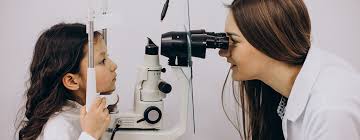
Glaucoma often progresses without obvious symptoms, making regular eye exams critical for those with a family history. Early detection allows for timely intervention before significant damage occurs. Routine screenings, including eye pressure measurements, optic nerve imaging, and visual field tests, are essential components of comprehensive glaucoma care. Peregrine Eye and Laser Institute emphasizes early diagnosis, providing patients with targeted strategies for effective glaucoma treatment and vision preservation.
Early Glaucoma Treatment Options
Early glaucoma treatment can significantly slow or halt disease progression. Medications, such as prescription eye drops, help reduce intraocular pressure and protect the optic nerve from further damage. Laser therapy offers a minimally invasive approach to improving fluid drainage within the eye, while surgical interventions like minimally invasive glaucoma surgery (MIGS) provide long-term management for advanced cases. Peregrine Eye and Laser Institute offers personalized treatment plans that combine these approaches to achieve the best outcomes for patients at risk.
Lifestyle and Preventive Measures
Proactive measures can complement glaucoma treatment and help maintain overall eye health. Regular eye examinations are crucial, particularly for individuals with a family history of glaucoma. A nutrient-rich diet, adequate hydration, and moderate physical activity support ocular circulation and reduce risk factors. Managing systemic conditions such as high blood pressure and diabetes also plays a role in preserving optic nerve health. Peregrine Eye and Laser Institute educates patients on these preventive strategies alongside clinical glaucoma treatment to ensure comprehensive care.
When to Seek Professional Help
Immediate consultation with an eye specialist is recommended for anyone experiencing vision changes, elevated eye pressure, or who has a known family history of glaucoma. Early intervention allows for more effective glaucoma treatment, preventing irreversible damage and maintaining quality of life. Peregrine Eye and Laser Institute provides expert assessments, advanced diagnostics, and treatment options tailored to each patient’s risk profile, ensuring timely and effective care.
Takeaway
Family history significantly increases the risk of glaucoma, making early detection and treatment essential. Individuals with relatives affected by glaucoma should prioritize regular eye exams and seek professional guidance promptly. Early glaucoma treatment can prevent permanent vision loss and maintain optic nerve health. Peregrine Eye and Laser Institute stands out as a trusted provider, offering state-of-the-art diagnostics, personalized treatment plans, and expert care to safeguard vision for those at risk.
FAQ
Can glaucoma be prevented if I have a family history?
While glaucoma cannot always be prevented, early detection and timely glaucoma treatment can reduce the risk of vision loss.
How often should someone with a family history of glaucoma get eye exams?
Annual comprehensive eye exams are recommended, though your doctor may suggest more frequent check-ups based on individual risk.
What are the early signs of glaucoma?
Early glaucoma often has no symptoms, but subtle signs may include peripheral vision loss or slight eye pressure changes.
Is glaucoma treatment effective if detected early?
Yes, early glaucoma treatment significantly slows disease progression and preserves vision.
Can children inherit glaucoma from parents?
Children with a family history are at higher risk. Early monitoring and periodic exams are essential for early detection and treatment.