Proper wound management plays a crucial role in protecting health and preventing complications. Wound debridement is one of the most important medical procedures used to help wounds heal effectively. This process removes dead, damaged, or infected tissue that may slow down recovery. When unhealthy tissue remains in a wound, it can encourage bacteria growth, delay healing, and increase the risk of infection.
Patients seeking reliable and professional wound treatment often turn to Kalingap Wound Care. Known for its patient-centered approach and expertise in advanced wound care, Kalingap Wound Care provides safe and effective wound debridement services designed to promote faster healing and better recovery outcomes.
What Is Wound Debridement?
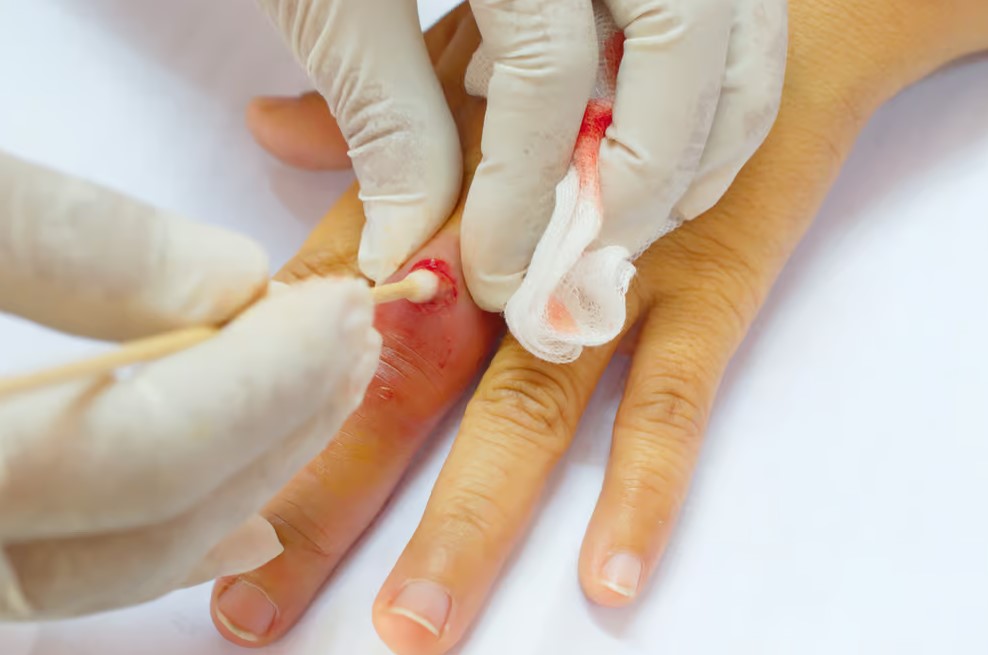
Wound debridement is a medical procedure that removes dead, infected, or contaminated tissue from a wound. Healthy tissue can grow more efficiently once this non-viable tissue is eliminated. Wound debridement is a key step in wound care because it prepares the wound bed for healing and reduces the likelihood of infection.
Without wound debridement, bacteria and debris may accumulate inside the wound, which may lead to complications. By cleaning the wound thoroughly and removing damaged tissue, wound debridement allows oxygen and nutrients to reach the healthy tissue. This improves the body’s natural healing process and helps wounds close properly.
Medical professionals typically recommend wound debridement for wounds that do not heal naturally or wounds affected by infection, trauma, or chronic conditions.
Conditions That May Require Wound Debridement
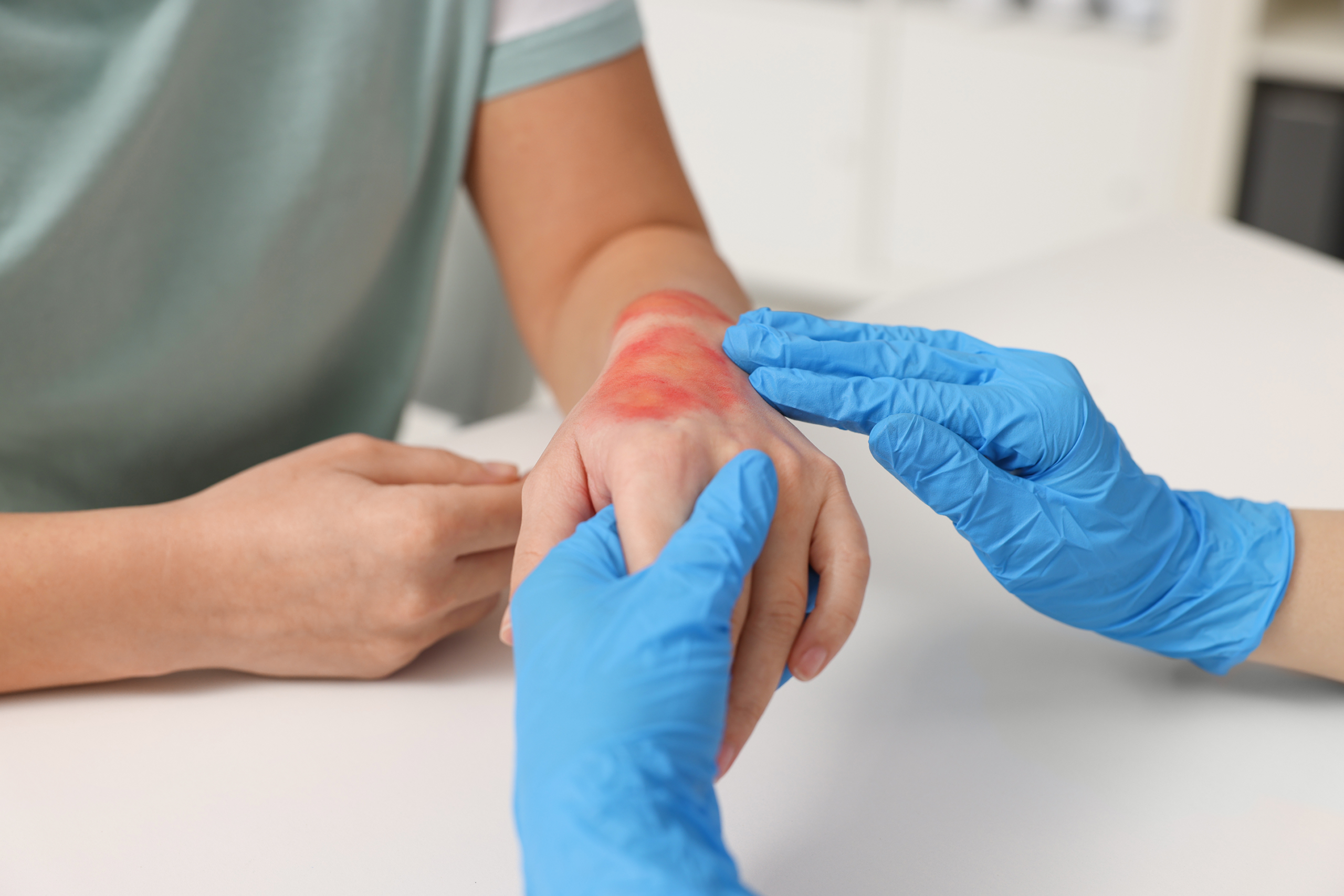
Several types of wounds benefit from wound debridement. Chronic wounds, especially those associated with underlying medical conditions, often require specialized care. Patients suffering from diabetic ulcers frequently need wound debridement to prevent infection and promote tissue regeneration.
Pressure ulcers, also known as bedsores, may develop when prolonged pressure reduces blood circulation to certain areas of the body. Wound debridement helps remove dead tissue from these wounds so that healing can begin.
Surgical wounds that become infected may also require wound debridement. Removing contaminated tissue helps control infection and prevents the condition from worsening. Traumatic injuries, burns, and wounds that contain foreign materials can also benefit from wound debridement procedures.
Professional wound care providers at Kalingap Wound Care carefully assess each case before recommending the most appropriate treatment.
Types of Wound Debridement
Several methods of wound debridement are used depending on the wound’s condition, severity, and location. Healthcare providers evaluate each wound before deciding which approach will deliver the best results.
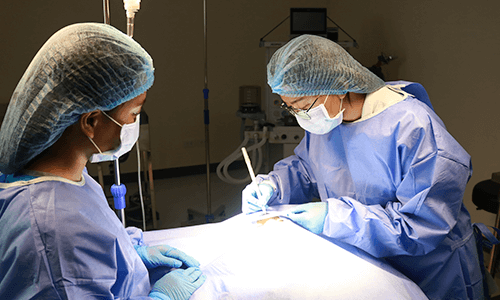
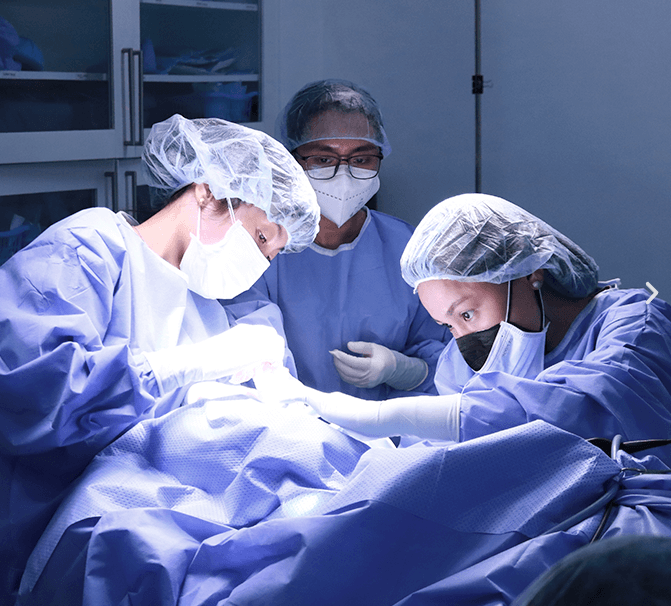
Surgical wound debridement is often used for severe wounds that require immediate removal of damaged tissue. This method involves using specialized surgical instruments to clean the wound efficiently.
Mechanical wound debridement uses physical methods to remove dead tissue. This may involve irrigation techniques or specialized dressings that help clear away unhealthy tissue during dressing changes.
Enzymatic wound debridement involves applying topical medications that break down dead tissue. These medications help dissolve damaged tissue gradually without harming healthy tissue.
Autolytic wound debridement relies on the body’s natural enzymes and moisture to soften and remove dead tissue. Specialized dressings help create the ideal environment for this natural process to occur.
The specialists at Kalingap Wound Care determine which wound debridement method is safest and most effective for each patient.
Benefits of Wound Debridement at Kalingap
Patients receiving wound debridement at Kalingap benefit from professional medical expertise and comprehensive wound care support. One of the main advantages of wound debridement is infection prevention. Removing dead tissue reduces bacteria buildup, which lowers the chances of infection spreading.
Another important benefit of wound debridement is faster healing. Once damaged tissue is removed, the wound can begin producing healthy new tissue. This improves circulation in the wound area and allows healing to progress naturally.
Personalized treatment is another key advantage offered by Kalingap Wound Care. Each patient receives a tailored wound care plan based on their specific condition, medical history, and healing needs.
Patient comfort and safety are also prioritized during wound debridement procedures. Experienced professionals ensure that every step of the treatment is performed with care and precision.
The Wound Debridement Process at Kalingap
The wound debridement process usually begins with a thorough medical consultation. Healthcare professionals evaluate the wound’s size, depth, and level of infection. They also review the patient’s medical history to determine the most suitable treatment plan.
Once the evaluation is complete, the appropriate wound debridement method is selected. The procedure is performed using sterile equipment and professional techniques to ensure patient safety.
During wound debridement, dead or infected tissue is carefully removed from the wound bed. This helps create a clean environment where healthy tissue can develop. The wound is then dressed with specialized bandages that protect the area and support healing.
After the procedure, patients receive detailed wound care instructions to follow at home. Regular follow-up appointments are scheduled to monitor the wound’s progress and determine whether additional wound debridement sessions are needed.
Who Should Consider Wound Debridement Services?
Many patients benefit from professional wound debridement services. Individuals with diabetes are especially vulnerable to chronic wounds and infections, making wound debridement an essential part of their treatment.
Patients recovering from surgery may also require wound debridement if their wounds show signs of delayed healing or infection. Elderly individuals who develop pressure ulcers can experience improved recovery through proper wound debridement procedures.
Anyone dealing with a wound that fails to heal properly should consult wound care professionals. Early treatment with wound debridement can prevent complications and improve overall healing outcomes.
Why Choose Kalingap for Wound Debridement
Choosing a trusted wound care provider is essential when seeking wound debridement treatment. Kalingap Wound Care stands out as a reliable provider known for its expertise and patient-focused care.
The team consists of trained wound care specialists who understand the complexity of chronic wounds. Modern medical techniques and advanced equipment allow them to perform wound debridement procedures safely and effectively.
Patients also benefit from a supportive environment where their recovery and well-being remain the top priority. Comprehensive wound management ensures that each patient receives the proper care needed for successful healing.
Tips for Wound Care After Debridement
Proper wound care following wound debridement plays a major role in the healing process. Patients should keep the wound clean and follow all instructions provided by their healthcare provider.
Regular dressing changes are important to protect the wound from contamination. Maintaining proper hygiene and monitoring the wound for any signs of infection can help prevent complications.
Good nutrition also supports healing. A balanced diet rich in protein, vitamins, and minerals can help the body rebuild healthy tissue more efficiently.
Attending follow-up appointments with Kalingap Wound Care ensures that healthcare professionals can monitor the wound and provide additional wound debridement if necessary.
Frequently Asked Questions (FAQ)
What is wound debridement?
Wound debridement is a medical procedure that removes dead, damaged, or infected tissue from a wound to help healthy tissue grow and support faster healing.
Is wound debridement painful?
The level of discomfort depends on the wound and the type of wound debridement used. Healthcare providers often take steps to reduce discomfort during the procedure.
How long does it take for a wound to heal after wound debridement?
Healing time varies depending on the size and severity of the wound, as well as the patient’s overall health condition.
How many wound debridement sessions are required?
Some wounds heal after one wound debridement session, while chronic wounds may require multiple treatments to remove all unhealthy tissue.
Why should wound debridement be performed by professionals?
Professional wound debridement ensures proper technique, sterile conditions, and careful monitoring of the wound, which significantly reduces the risk of infection and complications.