Pressure ulcers, also known as decubitus ulcers or bedsores, are injuries to the skin and underlying tissue caused by prolonged pressure. These wounds often develop on areas such as the heels, hips, tailbone, and elbows. Patients who are immobile, elderly, or suffering from chronic illnesses are particularly at risk. Consulting specialized wound care doctors is essential for effective treatment and prevention, ensuring these ulcers do not become severe or lead to complications.
Understanding Pressure and Decubitus Ulcers
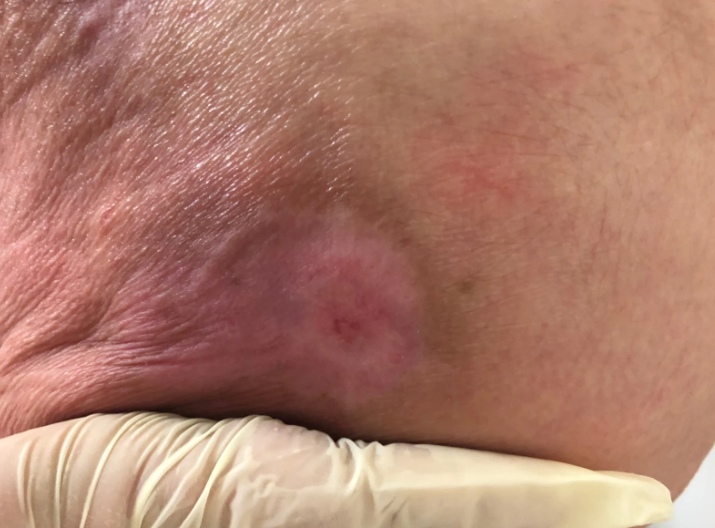
Pressure ulcers form when the skin is pressed against a surface for extended periods, restricting blood flow and causing tissue damage. They are classified into stages, ranging from mild skin redness (Stage 1) to deep wounds exposing muscle or bone (Stage 4). Risk factors include limited mobility, poor nutrition, dehydration, and certain medical conditions like diabetes. Unlike minor cuts or scrapes, pressure ulcers require specialized medical attention. Wound care doctors are trained to recognize these wounds early and develop personalized treatment plans to promote faster healing.
Why Wound Care Doctors Are Essential
Wound care doctors provide expertise beyond standard medical care. Their training in chronic wounds, infection management, and advanced treatment options makes them the best choice for patients with pressure or decubitus ulcers. They use thorough assessment techniques, including wound measurement, pressure mapping, and infection monitoring. By creating individualized care plans, wound care doctors help prevent worsening of the ulcers and reduce the risk of complications. Clinics like Kalingap Wound Care Clinic offer multidisciplinary support, combining the skills of nutritionists, physical therapists, and nursing staff to ensure comprehensive wound management.
Diagnosis and Treatment Options
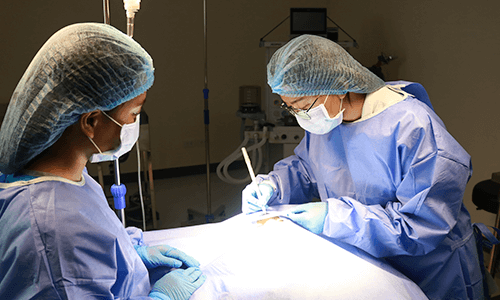
Proper diagnosis is the first step in effective ulcer care. Wound care doctors evaluate the wound’s size, depth, and stage while identifying any signs of infection. Treatment often begins with non-surgical methods, such as specialized dressings, offloading techniques to relieve pressure, and infection control using antibiotics if needed. For severe ulcers, surgical interventions like debridement or skin grafting may be necessary. Advanced therapies, including negative pressure wound therapy and bioengineered skin substitutes, are available at expert clinics such as Kalingap Wound Care Clinic, ensuring patients receive the most effective care available.
Preventing Pressure and Decubitus Ulcers
Prevention is a crucial part of ulcer management. Wound care doctors emphasize the importance of frequent repositioning to reduce prolonged pressure on vulnerable areas. Maintaining proper nutrition and hydration strengthens the skin and supports healing. Regular skin care, hygiene, and the use of support surfaces like specialized mattresses and cushions further protect against sores. Education for caregivers and family members is also vital, ensuring that preventive measures are consistently applied. Following the guidance of experienced wound care doctors can significantly reduce the risk of pressure ulcers.
Choosing the Right Wound Care Clinic
Selecting the right clinic ensures that patients receive professional, evidence-based care. Clinics with experienced wound care doctors, like Kalingap Wound Care Clinic, provide advanced treatment options and continuous monitoring. Patients benefit from a team approach, combining medical expertise, therapeutic support, and nutritional guidance. Success stories and patient testimonials highlight the clinic’s effectiveness in managing even the most challenging pressure and decubitus ulcers. Choosing a trusted clinic ensures consistent progress and peace of mind for both patients and caregivers.
Takeaway
Pressure and decubitus ulcers pose serious health risks if left untreated. Seeking care from specialized wound care doctors ensures proper diagnosis, advanced treatment, and effective prevention strategies. Kalingap Wound Care Clinic stands out as the trusted choice for expert management, offering comprehensive services and a multidisciplinary approach to healing. Early intervention and consistent care from professionals not only promote faster recovery but also improve quality of life for patients at risk of these challenging wounds.
FAQs about Pressure and Decubitus Ulcers
What is the difference between a pressure ulcer and a regular sore?
Pressure ulcers result from prolonged pressure and tissue damage, whereas regular sores often heal quickly and are caused by minor injuries.
How long does it take for pressure ulcers to heal?
Healing depends on the stage and severity of the ulcer, overall health, and adherence to treatment. Wound care doctors can provide an accurate timeline and guide recovery.
Can pressure ulcers come back?
Yes, ulcers may recur if preventive measures are not followed. Regular follow-up with wound care doctors and proper care at home can prevent recurrence.
How do wound care doctors monitor healing progress?
They use detailed assessments, including wound measurements, photographs, and infection checks. Clinics like Kalingap Wound Care Clinic maintain comprehensive records to track recovery effectively.
Are pressure ulcers preventable?
Most pressure ulcers are preventable with proper care, including repositioning, nutrition, hygiene, and monitoring by wound care doctors.