Clear vision is crucial for a child’s growth, learning, and daily activities. Pediatric Eye Care focuses on early detection, accurate diagnosis, and effective treatment of vision problems affecting children from infancy through adolescence. Blurred vision, eye misalignment, or undiagnosed conditions can quietly impact a child’s school performance, social interaction, and confidence. Pediatric Eye Care ensures these concerns are addressed early, giving children the best chance for healthy visual development and lifelong eye health.
Why Pediatric Eye Care Matters
Children rely heavily on their eyesight to explore the world, learn new skills, and succeed academically. Unlike adults, they may not recognize vision problems or know how to communicate them. Pediatric Eye Care identifies potential issues early and provides timely intervention.
Early diagnosis allows specialists to correct or manage many conditions effectively. Without proper Pediatric Eye Care, untreated problems may result in long-term or permanent vision impairment. Routine eye examinations evaluate more than just the need for glasses—they assess eye health, visual clarity, coordination, and overall visual development.
Common Vision Problems in Children
Pediatric Eye Care addresses several eye conditions that are unique to children. Awareness and treatment of these issues can prevent long-term consequences.
Blurred Vision
Blurred vision is often caused by refractive errors such as nearsightedness, farsightedness, or astigmatism. Children with blurred vision may struggle with reading, focusing on schoolwork, or participating in sports. Pediatric Eye Care detects these conditions and provides corrective measures such as glasses or contact lenses.
Strabismus (Crossed Eyes)
Strabismus occurs when the eyes do not align properly. One eye may turn inward, outward, upward, or downward. Early Pediatric Eye Care can correct misalignment and prevent complications like amblyopia. Treatment may include glasses, exercises, or surgery, depending on the severity.
Amblyopia (Lazy Eye)
Amblyopia develops when one eye becomes weaker than the other, reducing vision in that eye. Pediatric Eye Care interventions, such as patching the stronger eye or prescribing corrective lenses, can significantly improve vision if started early.
Pediatric Glaucoma
Though more common in adults, glaucoma can affect children and involves increased pressure in the eye. Pediatric Eye Care ensures early detection and treatment to prevent optic nerve damage and potential vision loss.
Congenital Cataracts
Some children are born with cataracts that cloud the eye’s natural lens. Pediatric Eye Care provides surgical and non-surgical treatments to restore clarity and prevent developmental delays in vision.
Premature Eye Development Issues
Premature infants may experience underdeveloped eyes, leading to conditions such as retinopathy of prematurity (ROP). Pediatric Eye Care monitors these children closely to prevent complications and support proper visual development.
Importance of Early Detection
Early detection is one of the most critical elements of Pediatric Eye Care. Identifying vision problems at an early stage increases the chances of successful treatment and prevents long-term issues.
Children’s visual systems develop rapidly during the first few years of life. Addressing conditions during this period improves outcomes and prevents permanent damage. Parents should watch for signs such as frequent squinting, sitting too close to screens, headaches, difficulty reading, or excessive eye rubbing. Regular Pediatric Eye Care check-ups help detect subtle issues before they become serious.
Comprehensive Pediatric Eye Care Services
A complete Pediatric Eye Care program provides a range of services designed to meet children’s unique needs.
Eye Examinations
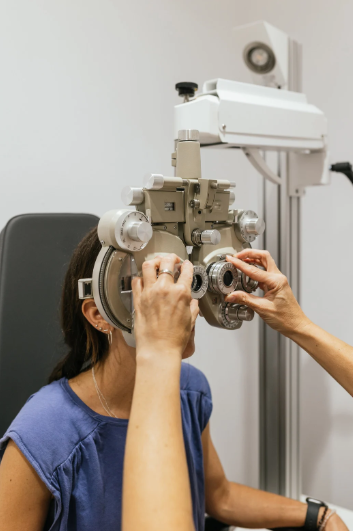
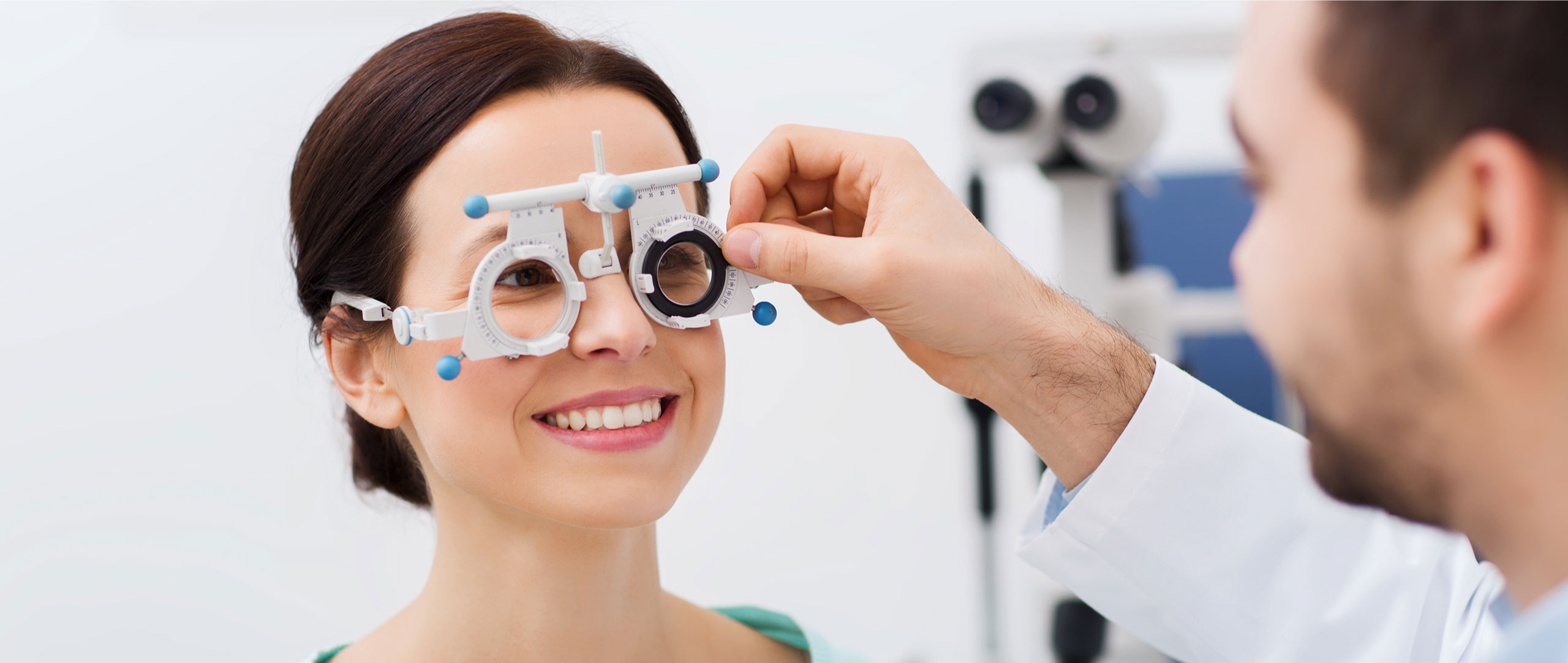
Routine eye exams assess vision clarity, eye coordination, and overall eye health. Exams are tailored to suit children of all ages, including infants and preschoolers.
Vision Correction
Pediatric Eye Care provides prescription glasses or contact lenses to correct refractive errors and improve visual performance.
Eye Muscle Testing
Specialized testing determines how well the eyes work together, diagnosing alignment problems like strabismus early.
Medical and Surgical Treatment
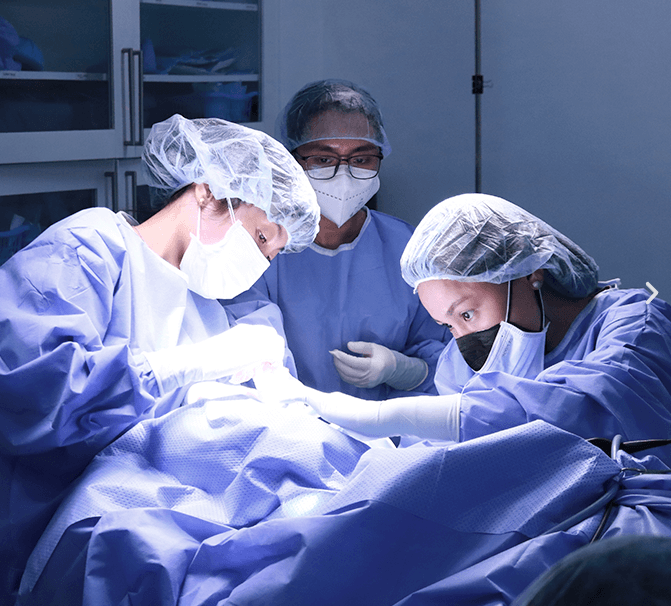
Advanced Pediatric Eye Care includes treatment for glaucoma, cataracts, and strabismus using modern techniques and equipment to ensure safe, effective outcomes.
Preventive Care
Education on eye health, proper screen time habits, and nutrition helps maintain healthy vision and reduces the risk of future complications.
Pediatric Eye Care and Academic Success
Vision plays a central role in learning. Children rely on clear eyesight for reading, writing, and using digital devices. Undiagnosed vision problems can lead to academic difficulties and may be mistaken for learning disabilities.
Pediatric Eye Care supports children by helping them:
- Read comfortably and efficiently
- Stay focused during lessons
- Participate actively in classroom and extracurricular activities
- Build confidence and social skills
Early intervention through Pediatric Eye Care ensures children have the visual support they need to succeed academically and socially.
Advanced Technology and Expertise at Peregrine Eye and Laser Institute
Peregrine Eye and Laser Institute provides world-class Pediatric Eye Care across Metro Manila. Founded by Mr. Jimmy Tan, Dr. Harvey Uy, and Dr. Pik Sha Chan Uy, the institute is committed to reducing preventable blindness and ensuring comprehensive eye health for children.
Peregrine Eye and Laser Institute operates key facilities in Makati, Manila, and Quezon City, offering accessible Pediatric Eye Care services to families throughout the region.
The institute employs ophthalmologists trained at renowned institutions such as Harvard Medical School, Johns Hopkins University, UCLA, California Pacific Medical Center, University of Wisconsin, and Singapore National Eye Center. This expertise ensures children receive care that meets international standards.
State-of-the-art diagnostic equipment, advanced surgical tools, and modern operating theaters allow for accurate diagnosis and effective treatment of complex pediatric eye conditions. Child-friendly environments help reduce anxiety, making visits smooth and comfortable.
Patient-Centered Pediatric Eye Care
Pediatric Eye Care at Peregrine Eye and Laser Institute focuses on the needs of each child. Doctors provide clear explanations, discuss treatment options, and guide parents in making informed decisions.
The clinics are designed for comfort and efficiency, with staff trained in both technical skills and compassionate care. Every visit is optimized to be stress-free, ensuring children receive the attention and treatment they need in a welcoming environment.
How to Schedule Your Child’s Pediatric Eye Care Visit
Specialists recommend that children have their first eye exam within the first year of life. Subsequent exams should occur at ages 3 to 5 and then every 1–2 years during school-age years.
Scheduling Pediatric Eye Care at Peregrine Eye and Laser Institute is simple. Parents can book appointments online, via phone, or directly at any of the clinic’s convenient locations in Makati, Manila, or Quezon City. Early scheduling ensures timely care and helps detect any issues before they affect learning or daily life.
Takeaway
Pediatric Eye Care is essential for ensuring children develop healthy vision that supports learning, growth, and confidence. Regular check-ups, early detection, and expert treatment prevent long-term problems and help children achieve their full potential. Peregrine Eye and Laser Institute combines advanced technology, global expertise, and compassionate care to provide Pediatric Eye Care that parents can trust. Scheduling regular visits ensures children see the world clearly and live life fully.
FAQs About Pediatric Eye Care
1. At what age should children start Pediatric Eye Care?
Eye care should begin during infancy to detect congenital conditions and support proper visual development.
2. How do I know if my child needs an eye exam?
Watch for squinting, headaches, difficulty reading, eye rubbing, or misaligned eyes. Even if no symptoms are present, regular Pediatric Eye Care is recommended.
3. Are Pediatric Eye Care exams safe for toddlers?
Yes, exams are safe, non-invasive, and designed to be comfortable for children of all ages.
4. Can vision problems be corrected permanently?
Many conditions can be corrected or improved significantly with early Pediatric Eye Care. The outcome depends on the condition and timing of treatment.
5. How often should my child visit a pediatric eye specialist?
Routine visits every 1–2 years are recommended, or more frequently if advised by the doctor.
6. What happens during a Pediatric Eye Care exam?
Exams include vision testing, eye alignment checks, and a thorough evaluation of eye health using child-friendly diagnostic tools.