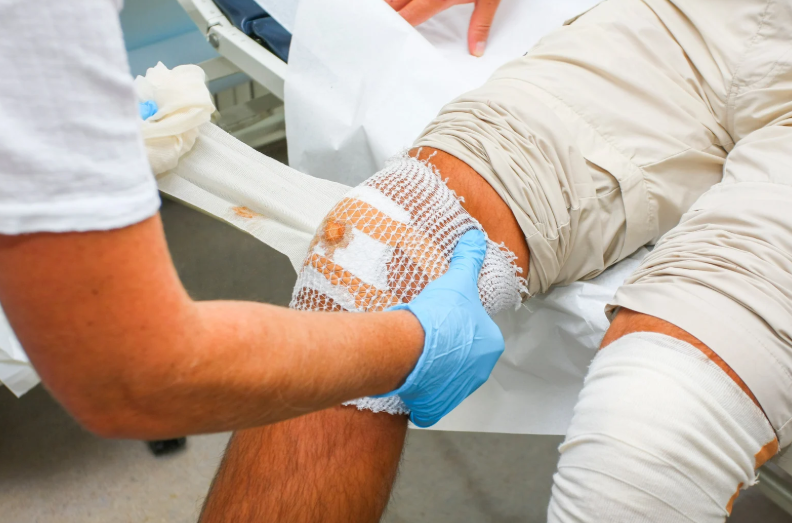
Wound treatment is an essential part of medical care that focuses on restoring damaged skin and supporting the body’s natural healing process. Proper wound treatment helps prevent infection, reduces complications, and improves recovery outcomes for both simple and complex injuries.
Many individuals in Quezon City experience delays in receiving proper wound treatment due to financial concerns, lack of awareness, or limited access to specialized care. This often leads to wounds becoming more serious over time. At KALINGAP Wound Care Clinic, wound treatment is designed to address these challenges through accessible, patient-centered care that prioritizes safety, comfort, and long-term healing.
Wound treatment is not only about cleaning and covering an injury. It also involves understanding the root cause of delayed healing and applying appropriate medical methods to support full recovery.
What Is Wound Treatment?
Wound treatment refers to the medical process of assessing, cleaning, protecting, and managing wounds to support proper healing. It also involves preventing infection and ensuring that damaged tissue can recover in a controlled and safe environment.
Wound treatment may include several steps depending on the condition of the injury. These steps often include wound cleaning, dressing application, infection control, removal of dead tissue, and continuous monitoring. In more complex cases, wound treatment also includes addressing underlying health issues that slow down healing.
For example, individuals with diabetes may require specialized wound treatment because high blood sugar levels can delay tissue repair. Patients with poor circulation also need carefully planned wound treatment to improve oxygen and nutrient flow to the affected area.
Effective wound treatment always considers both the visible injury and the internal health factors that influence recovery.
Types of Wounds That Require Wound Treatment
Different types of injuries require different forms of wound treatment depending on severity, depth, and cause.
Acute wounds are sudden injuries such as cuts, burns, or surgical wounds. These types of wounds often respond well to early wound treatment when properly cleaned and protected.
Chronic wounds are more complex and require long-term wound treatment. These include diabetic foot ulcers, pressure injuries commonly known as bed sores, and venous leg ulcers. Chronic wounds often fail to heal without specialized wound treatment due to underlying medical conditions.
Complex wounds may result from trauma, infection, or severe tissue damage. These cases require advanced wound treatment techniques to control infection, support tissue regeneration, and manage pain effectively.
Each category of wound benefits from a structured wound treatment plan that is based on medical assessment and ongoing evaluation.
When Professional Wound Treatment Is Needed
Professional wound treatment becomes necessary when a wound does not heal as expected or shows signs of complications. One common sign is slow or stalled healing, where the wound remains open for an extended period without improvement.
Another indicator is infection. Signs such as redness, swelling, warmth, pus, or increasing pain suggest that wound treatment should be provided by medical professionals immediately. Infected wounds require prompt and careful wound treatment to prevent further complications.
Wounds caused by diabetes or poor circulation also require early professional wound treatment. These conditions make it harder for the body to heal naturally, increasing the risk of serious complications.
Home care may be sufficient for minor injuries, but when healing does not progress, proper wound treatment from trained professionals becomes necessary to ensure safety and recovery.
Advanced Wound Treatment Methods
Modern wound treatment uses advanced medical techniques to improve healing outcomes and reduce recovery time.
One method used in clinical settings is ultrasonic debridement. This type of wound treatment removes dead or damaged tissue while protecting healthy skin. It helps prepare the wound bed for faster healing.
Another advanced wound treatment option is negative pressure wound therapy. This technique uses controlled suction to remove excess fluid, reduce swelling, and improve blood flow to the affected area. It supports faster tissue repair and is often used for more complex wounds.
Specialized wound dressings are also an important part of wound treatment. These dressings help maintain a moist healing environment, protect against infection, and support tissue regeneration.
At KALINGAP Wound Care Clinic, these wound treatment methods are applied based on patient needs and wound condition to ensure safe and effective care.
Wound Treatment Process at KALINGAP Wound Care Clinic
The wound treatment process at KALINGAP Wound Care Clinic follows a structured and patient-focused approach designed to support effective healing.
The first step in wound treatment is assessment. Medical professionals carefully evaluate the wound type, size, depth, and possible causes. This step is important because proper wound treatment depends on accurate diagnosis.
After assessment, a personalized wound treatment plan is created. This plan is based on the patient’s condition, medical history, and healing needs. Each wound treatment plan is designed to support both short-term healing and long-term recovery.
Ongoing wound treatment follows the initial plan. This includes regular cleaning, dressing changes, infection monitoring, and evaluation of healing progress. Adjustments to wound treatment are made as needed to improve outcomes.
Patient education is also part of the wound treatment process. Patients are guided on proper hygiene, home care practices, nutrition, and steps to prevent reinjury. This helps ensure that wound treatment continues effectively outside the clinic.
Holistic Approach to Wound Treatment
Effective wound treatment goes beyond addressing the visible injury. It also considers the overall health of the patient and the factors that affect healing.
For patients with diabetes, wound treatment includes blood sugar management support because uncontrolled glucose levels can delay healing. For individuals with circulation issues, wound treatment focuses on improving blood flow to the affected area.
Nutrition also plays an important role in wound treatment. Proper intake of protein, vitamins, and minerals supports tissue repair and strengthens the immune system.
Infection prevention is another key part of wound treatment. Keeping the wound clean and protected reduces the risk of complications and supports steady healing progress.
This complete approach ensures that wound treatment addresses both external and internal factors affecting recovery.
Why Choose KALINGAP Wound Care Clinic for Wound Treatment
Choosing KALINGAP Wound Care Clinic for wound treatment means receiving care that is centered on patient safety, comfort, and long-term healing outcomes.
The clinic provides wound treatment delivered by trained medical professionals who are experienced in managing both simple and complex cases. Each patient receives individualized wound treatment based on their specific condition.
Modern medical techniques are also part of wound treatment at the clinic, ensuring that patients benefit from up-to-date methods that support better recovery.
Care at KALINGAP is guided by strong values of respect, dignity, and compassion. Every wound treatment plan is designed not only to heal the injury but also to support the patient’s overall well-being.
Community Support and Accessible Wound Treatment
Access to wound treatment is an important concern for many individuals in Quezon City. KALINGAP Wound Care Clinic addresses this through outreach programs and community-focused initiatives.
These efforts aim to make wound treatment more accessible to individuals who may delay care due to financial challenges. Community partnerships also help extend wound treatment services to more people in need.
Health education is another part of the clinic’s mission. By teaching proper wound treatment practices and prevention methods, the clinic helps reduce the number of severe and chronic wounds in the community.
Takeaway
Wound treatment plays a critical role in protecting health, preventing complications, and supporting recovery. Proper and timely wound treatment can make a significant difference in healing outcomes, especially for individuals with chronic conditions.
At KALINGAP Wound Care Clinic in Quezon City, wound treatment is delivered through a careful and patient-focused approach that combines medical expertise, advanced techniques, and compassionate care. This ensures that each patient receives the right wound treatment for their specific needs while also receiving guidance for long-term recovery and prevention.
Frequently Asked Questions About Wound Treatment
What is wound treatment?
Wound treatment is the medical process of cleaning, protecting, and managing wounds to support proper healing and prevent infection.
When should I seek professional wound treatment?
Professional wound treatment is needed when a wound does not heal, shows signs of infection, or is linked to conditions such as diabetes or poor circulation.
How long does wound treatment take?
The duration of wound treatment depends on the type and severity of the wound, as well as the patient’s overall health condition.
Can chronic wounds be treated with wound treatment?
Yes, chronic wounds can be managed through consistent and specialized wound treatment that addresses both the wound and underlying health issues.
What makes advanced wound treatment different?
Advanced wound treatment uses modern medical techniques such as ultrasonic debridement and negative pressure therapy to improve healing outcomes.