Clear vision affects how people read, work, move around, recognize faces, and feel safe while doing daily tasks. When cataracts begin to blur eyesight, even simple activities can become frustrating. Many people notice glare while driving at night, cloudy vision while reading, faded colors, or frequent changes with eyeglasses. For patients searching for a simpler recovery process after cataract removal, Dropless cataract surgery in Naga has become a topic worth asking about during an eye evaluation.
Cataracts are common, especially as people age. They happen when the eye’s natural lens becomes cloudy, which blocks clear light from reaching the retina. At first, cataracts may cause mild blur or glare. Over time, vision can become poor enough to affect independence, comfort, and safety. Cataract surgery removes the cloudy lens and replaces it with a clear artificial lens, helping restore clearer sight for many patients.
Dropless cataract surgery in Naga refers to a cataract surgery approach that may reduce the need for several post-surgery eye drops. Standard cataract recovery often requires patients to follow a drop schedule for infection control, swelling control, and healing support. For some patients, this routine may feel difficult, especially for older adults, people with hand tremors, patients who live alone, or those who depend on family members for care.
Lee Tan Eye Clinic provides trusted eye care guided by Dr. Lee Tan, a board-certified ophthalmologist and experienced eye surgeon with advanced fellowship training in Glaucoma from the University of the Philippines–Philippine General Hospital. The clinic’s approach focuses on careful screening, early detection, personalized treatment planning, and stepwise eye care that aims to protect visual function. For patients asking about Dropless cataract surgery in Naga, a proper eye exam is the first step toward knowing whether this option may suit their needs.
What Is Dropless Cataract Surgery?
Dropless cataract surgery is a cataract care method designed to reduce the need for multiple eye drops after surgery. During cataract care, medication is often needed to reduce swelling, control discomfort, and lower the risk of infection. With the dropless method, selected medication may be placed inside or around the eye during surgery, depending on the surgeon’s plan and the patient’s condition.
Patients asking about Dropless cataract surgery in Naga should understand that “dropless” does not always mean zero drops for every person. Some patients may still need certain drops after surgery, especially when there are other eye concerns. The main goal is to make recovery easier while still supporting safe healing.
This option can be helpful for patients who may struggle with remembering several drops each day. It may also reduce mistakes such as missing doses, using drops at the wrong time, or applying drops incorrectly. Because cataract recovery depends on each patient’s eye health, a board-certified ophthalmologist must evaluate whether Dropless cataract surgery in Naga is appropriate.
At Lee Tan Eye Clinic, cataract care starts with careful assessment. Dr. Lee Tan considers the patient’s cataract severity, general health, eye pressure, retina status, optic nerve condition, and other factors before discussing a treatment plan. This careful process helps patients understand what kind of cataract surgery and post-surgery care may work best for them.
Why Patients Ask About Dropless Cataract Surgery in Naga
Many patients become interested in Dropless cataract surgery in Naga because they want a less complicated recovery routine. After standard cataract surgery, patients may be asked to use several types of eye drops at different times each day. Some people can manage this well, but others find it stressful or confusing.
Older adults may forget doses. Some patients have arthritis, weak grip, or shaky hands, which makes applying eye drops difficult. Others may squeeze too much medication, miss the eye, contaminate the bottle tip, or forget which drop should be used first. When the patient depends on a relative or caregiver, the schedule can also become difficult for the whole household.
Dropless cataract surgery in Naga may help reduce some of these concerns for selected patients. A simpler recovery plan may support better comfort and confidence, especially for people who worry about doing post-surgery care correctly.
Local access also matters. Patients from Naga and nearby Bicol communities often prefer to receive eye care close to home. Traveling far for cataract care can be tiring, especially for older adults or patients with mobility issues. Having a trusted local eye clinic allows patients to receive evaluation, guidance, surgery planning, and follow-up care with greater convenience.
Common Signs You May Need Cataract Evaluation
Cataracts may develop slowly, so some patients do not notice how much their vision has changed until daily tasks become harder. A cataract evaluation may be needed when vision starts affecting comfort, safety, or independence.
Common cataract symptoms include cloudy vision, blurry vision, glare from headlights, halos around lights, faded colors, difficulty reading, poor night vision, and frequent eyeglass prescription changes. Some patients feel that their glasses no longer help enough, even after getting a new pair. Others notice that sunlight feels too bright or that driving after sunset becomes uncomfortable.
People searching for Dropless cataract surgery in Naga may already be experiencing these symptoms. Still, a full eye exam is needed to confirm whether cataracts are the main cause. Blurry vision can also come from glaucoma, dry eye, retinal problems, diabetes-related eye disease, or other conditions.
Lee Tan Eye Clinic offers comprehensive ophthalmology services that help assess the full condition of the eyes. Since Dr. Lee Tan has advanced Glaucoma training, patients with cataracts and possible glaucoma risk can receive careful evaluation. This matters because cataract surgery planning may need extra attention when eye pressure, optic nerve health, or other eye concerns are present.
How Lee Tan Eye Clinic Approaches Cataract Care
Lee Tan Eye Clinic is led by Dr. Lee Tan, a board-certified ophthalmologist and experienced eye surgeon. Dr. Tan completed fellowship training in Glaucoma at the University of the Philippines–Philippine General Hospital, earned a Doctor of Medicine degree from the UP College of Medicine, and completed ophthalmology residency at UP PGH. Dr. Tan also graduated cum laude with a Psychology degree from the University of the Philippines and practiced general ophthalmology for five years before subspecialty training.
This background supports a careful and patient-focused approach to cataract care. Cataract surgery is not only about removing a cloudy lens. It also requires proper evaluation of the whole eye, including eye pressure, optic nerve health, corneal condition, retina status, and personal visual goals.
Patients asking about Dropless cataract surgery in Naga can benefit from this type of detailed assessment. A dropless approach may be suitable for some, but other patients may need a different medication plan after surgery. Dr. Tan’s care philosophy focuses on personalized treatment, early detection, prevention, and stepwise management that aims to preserve visual function.
Lee Tan Eye Clinic also provides services for Comprehensive Ophthalmology, Cataract Surgery, Glaucoma, and Plastic, Lacrimal and Orbit concerns. This range of eye care services allows patients to receive guidance for cataracts while also addressing other eye problems that may affect vision or surgery planning.
What Happens During a Cataract Consultation?
A cataract consultation helps determine whether a patient is ready for surgery and whether Dropless cataract surgery in Naga may be an option. The visit usually starts with a discussion of symptoms. Patients may be asked about blurry vision, glare, night driving issues, reading difficulty, past eye problems, medications, and general health conditions.
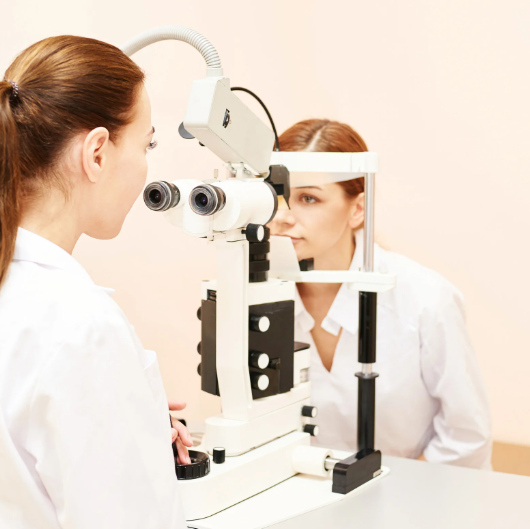
The eye exam may include vision testing, eye pressure measurement, cataract assessment, and evaluation of the retina and optic nerve. These steps help the ophthalmologist understand whether cataracts are causing the vision problem or whether another condition is also present.
For patients with glaucoma risk, diabetes, eye injury history, or previous eye surgery, a more detailed plan may be needed. This is one reason why seeing a qualified ophthalmologist matters. Cataract surgery should be planned around the patient’s full eye health, not just the cloudy lens.
During the consultation, patients can ask questions about Dropless cataract surgery in Naga, recovery time, follow-up visits, lens options, activity limits, and warning signs after surgery. A clear discussion helps patients feel more prepared and more confident about their eye care decisions.
Is Dropless Cataract Surgery Right for Everyone?
Dropless cataract surgery in Naga may be helpful for selected patients, but it is not automatically right for everyone. Each patient has different eye health needs. Some may have glaucoma, retinal concerns, corneal issues, allergies, inflammation risk, or other factors that can affect the safest post-surgery medication plan.
A patient with glaucoma, for example, may need close eye pressure monitoring after cataract surgery. Someone with diabetes may also need careful retina evaluation. Patients with past eye infections, inflammation, or medication sensitivity may require a more specific plan.
That is why Dropless cataract surgery in Naga should be discussed only after a complete eye examination. A safe cataract plan depends on both the patient’s goals and the ophthalmologist’s medical judgment. The goal is not simply to reduce drops. The goal is to protect healing, lower risk, and support the best possible visual outcome based on each patient’s condition.
Lee Tan Eye Clinic’s personalized care approach is valuable here. Dr. Lee Tan considers the patient’s vision needs, eye condition, lifestyle, and risk factors before recommending a plan. This helps patients avoid one-size-fits-all care and receive guidance suited to their specific situation.
Benefits Patients May Appreciate
Patients interested in Dropless cataract surgery in Naga often appreciate the possibility of a simpler recovery routine. Fewer drops may mean less confusion, less stress, and fewer chances of missed doses. For older adults, this may make post-surgery care more manageable.
This approach may also help patients who have difficulty applying drops. Some people blink too quickly, miss the eye, touch the bottle tip to the eyelid, or feel anxious when placing medication. Others may have limited hand control due to arthritis, tremors, weakness, or other concerns.
Dropless cataract surgery in Naga may also reduce caregiver burden. Family members often help older patients follow drop schedules. When fewer drops are needed, caregivers may feel more at ease, and patients may feel more independent.
Another possible benefit is convenience. Patients can focus on rest, eye protection, follow-up visits, and reporting any unusual symptoms rather than worrying about a complicated medication routine. Still, it is important to remember that every patient heals differently. Benefits vary, and follow-up care remains necessary.
What Patients Should Know Before Cataract Surgery
Before cataract surgery, patients should be open about their medical history and current medications. They should tell the ophthalmologist about diabetes, high blood pressure, asthma, allergies, glaucoma, previous eye surgery, eye injury, or any past eye infection. These details can affect the treatment plan.
Patients should also discuss their daily visual needs. Someone who reads often may have different priorities than someone who drives frequently. A patient who works outdoors may have different concerns from someone who spends many hours on a computer. These details help guide cataract surgery planning.
For those asking about Dropless cataract surgery in Naga, it is important to ask whether their eye condition makes them a good candidate. Patients should also ask what medications may still be needed after surgery, how many follow-up visits are expected, and what warning signs require urgent attention.
Cataract surgery is usually quick, but recovery still needs care. Patients should avoid rubbing the eye, follow activity guidance, protect the eye as advised, and return for all scheduled checkups. Even with a dropless plan, post-surgery monitoring remains important.
Why Choose Lee Tan Eye Clinic for Dropless Cataract Surgery in Naga?
Patients searching for Dropless cataract surgery in Naga need more than a convenient location. They need a qualified eye doctor who can assess their cataract, check for other eye problems, explain options clearly, and plan safe care based on their needs.
Lee Tan Eye Clinic offers eye care guided by Dr. Lee Tan’s strong academic background, surgical experience, and advanced Glaucoma fellowship training. This matters because cataract patients may also have other eye concerns, such as glaucoma risk or optic nerve changes. A careful approach can help protect long-term vision, not just improve cloudy eyesight.
The clinic’s philosophy places value on screening, prevention, early detection, personalized care, and stepwise management. This fits well with cataract care because patients need proper timing, thoughtful planning, and clear guidance before making surgery decisions.
For patients considering Dropless cataract surgery in Naga, Lee Tan Eye Clinic can provide a professional evaluation and help determine whether this approach is suitable. When cataract care is guided by a board-certified ophthalmologist, patients can make decisions with better understanding and greater peace of mind.
Preparing for Your Cataract Consultation
Patients can make the most of their cataract consultation by preparing ahead of time. Bring current eyeglasses, previous eye prescriptions, medication lists, and any past eye records if available. It also helps to write down symptoms and how long they have been happening.
Patients should mention if they have trouble reading, driving, walking safely, seeing faces, watching television, or working because of vision changes. These details help the ophthalmologist understand how cataracts are affecting daily life.
Those interested in Dropless cataract surgery in Naga should prepare questions before the visit. Useful questions include: Am I a candidate for this approach? Will I still need drops after surgery? What should I expect during recovery? How often do I need follow-up visits? What symptoms should make me return right away?
Bringing a family member can also help, especially for older patients or those who feel anxious about surgery. A companion can help remember instructions and support post-surgery care.
Life After Cataract Surgery: Recovery and Follow-Up
Recovery after cataract surgery is an important part of the treatment process. Many patients notice vision improvement within days, though healing can vary. Some blur, mild discomfort, or light sensitivity may happen early during recovery. The ophthalmologist will explain what is expected and what may need urgent care.
Patients who choose or qualify for Dropless cataract surgery in Naga still need to follow all instructions from their eye doctor. They may need to use protective eyewear, avoid rubbing the eye, limit certain activities for a short time, and attend follow-up visits. Follow-up care allows the ophthalmologist to check healing, eye pressure, and visual progress.
Patients should seek medical advice right away if they notice severe pain, sudden vision loss, worsening redness, discharge, flashes of light, or other unusual symptoms. Early attention helps protect eye health.
Dropless cataract surgery in Naga may make recovery easier for selected patients, but it does not remove the need for responsible aftercare. Good results depend on proper surgery planning, patient cooperation, and continued monitoring after the procedure.
When Should You See an Eye Doctor?
Patients should see an eye doctor when vision changes begin to affect daily life. Cataracts may not need surgery right away, but delaying evaluation can make life harder than necessary. If cloudy vision, glare, night driving difficulty, faded colors, or reading problems are becoming noticeable, an eye exam is a wise next step.
People with diabetes, glaucoma risk, family history of eye disease, or previous eye problems should be especially careful. Cataracts may not be the only cause of blurred vision. A full eye check helps identify other concerns early.
For patients searching for Dropless cataract surgery in Naga, the first step is not choosing a procedure right away. The first step is a complete eye evaluation. Lee Tan Eye Clinic can assess cataract severity, overall eye condition, and possible treatment options based on each patient’s needs.
Early evaluation allows patients to understand their choices before vision becomes severely limited. With guidance from a qualified ophthalmologist, patients can decide whether cataract surgery, dropless care, or another treatment plan is right for them.
FAQ About Dropless Cataract Surgery in Naga
What is Dropless cataract surgery in Naga?
Dropless cataract surgery in Naga refers to a cataract surgery approach that may reduce the need for several post-surgery eye drops. Medication may be given during the procedure to support healing, depending on the patient’s condition and the surgeon’s plan.
Does dropless mean I will not need any eye drops at all?
Not always. Some patients may still need certain drops after surgery. The number and type of drops depend on eye health, healing response, and the ophthalmologist’s recommendation.
Who may benefit from Dropless cataract surgery in Naga?
This option may help patients who have difficulty following eye drop schedules, older adults, patients with shaky hands, people with arthritis, or those who rely on caregivers. A complete eye exam is needed to confirm suitability.
Is Dropless cataract surgery in Naga safe for patients with glaucoma?
Patients with glaucoma or glaucoma risk need careful evaluation. Dr. Lee Tan has advanced Glaucoma fellowship training, which supports detailed assessment for cataract patients who may also need eye pressure and optic nerve monitoring.
How do I know if I need cataract surgery?
You may need cataract evaluation if blurry vision, glare, poor night vision, faded colors, or reading difficulty affect your daily activities. An ophthalmologist can confirm whether cataracts are causing the problem.
Why choose Lee Tan Eye Clinic for cataract care?
Lee Tan Eye Clinic is led by Dr. Lee Tan, a board-certified ophthalmologist and experienced eye surgeon with UP College of Medicine, UP PGH residency, and Glaucoma fellowship training from UP PGH. The clinic focuses on careful screening, early detection, personalized treatment planning, and patient-focused eye care.
Can cataracts be treated with eye drops alone?
Eye drops may help certain eye symptoms such as dryness or irritation, but cataracts that significantly affect vision are usually treated through surgery. Patients should avoid relying on unverified cataract drop claims and should seek proper eye evaluation.
How can I prepare for a cataract consultation?
Bring your eyeglasses, medication list, medical history, and any previous eye records. Prepare questions about Dropless cataract surgery in Naga, recovery, follow-up visits, and whether this approach may suit your eye condition.