
Clear vision supports reading, work, driving, family activities, and personal safety. Yet many eye problems can develop quietly, with little discomfort or no obvious warning during early stages. A Comprehensive eye health check in Bicol offers a practical way to assess visual clarity, examine important eye structures, and identify possible concerns before they cause greater difficulty.
Lee Tan Eye Clinic provides broad ophthalmological care led by Dr. Lee Tan, a board-certified ophthalmologist and experienced eye surgeon. His academic background covers a Psychology degree earned cum laude from the University of the Philippines, a Doctor of Medicine degree from the UP College of Medicine, ophthalmology residency training at UP–Philippine General Hospital, and advanced fellowship training focused on glaucoma at UP–PGH. After five years of general ophthalmology practice, Dr. Tan pursued subspecialty preparation that supports careful glaucoma assessment and long-term eye care.
A Comprehensive eye health check in Bicol can benefit children, adults, older people, and patients with health conditions that may affect vision. Rather than waiting for major changes, patients can seek a professional assessment based on their symptoms, age, medical background, family history, and daily visual needs.
What Is a Comprehensive Eye Health Check?
A comprehensive eye examination is broader than a quick vision screening. A basic screening may measure how clearly a person sees letters or symbols from a set distance. A full ophthalmological assessment may also review eye pressure, pupil response, front eye structures, the retina, the optic nerve, eye movement, and other features chosen by the doctor.
The National Eye Institute explains that a dilated eye examination helps an eye doctor check for vision problems and eye diseases that may not yet cause symptoms. Dilation widens the pupil, allowing a better view of deeper eye structures. Test selection may vary according to each patient’s needs and findings.
During a Comprehensive eye health check in Bicol, the doctor may begin by asking about blurred vision, headaches, glare, eye pain, redness, floaters, double vision, prior injuries, past procedures, current medicines, and family eye history. This discussion gives context to test results and helps the doctor decide whether added assessment may be needed.
Why Regular Eye Checks Matter
Many people seek eye care only after vision becomes noticeably blurry. That approach may delay diagnosis of conditions that progress slowly or affect only part of the visual field. Regular checks give patients and doctors a clearer record of changes over time.
Glaucoma deserves special attention because common forms may cause no early warning signs. The National Eye Institute states that glaucoma can damage the optic nerve and may lead to vision loss. A comprehensive dilated eye examination is the main way to detect the condition, especially before a patient notices side-vision loss.
A Comprehensive eye health check in Bicol may also help assess concerns linked to cataracts, refractive errors, retinal changes, eyelid conditions, tear drainage problems, or previous eye surgery. Early professional assessment does not guarantee that every condition can be prevented, yet it may support timely monitoring and suitable care.
What May Happen During the Examination?
Every consultation differs, but a full visit commonly starts with medical and visual history. Patients may be asked when symptoms began, whether one or both eyes are affected, how symptoms affect daily tasks, and whether relatives have glaucoma or other eye disease.
Visual acuity testing measures clarity at different distances. Refraction may help determine whether eyeglasses could correct nearsightedness, farsightedness, astigmatism, or age-related near-vision difficulty. Eye movement and pupil response may also be checked.
Eye pressure measurement is often part of glaucoma assessment. Pressure results provide useful data, but they do not confirm or exclude glaucoma by themselves. The National Eye Institute notes that some people with high eye pressure never develop glaucoma, while others with normal pressure may still develop optic nerve damage.
A slit-lamp examination gives the ophthalmologist a magnified view of structures near the front of the eye. Pupil dilation may be advised so the retina and optic nerve can be examined more clearly. Other tests, such as visual field testing or imaging, may be requested according to findings.
A Comprehensive eye health check in Bicol should also include a clear discussion after testing. Patients deserve an explanation of results, possible diagnoses, treatment choices, warning signs, and recommended follow-up.
Eye Conditions That May Be Assessed
Cataracts
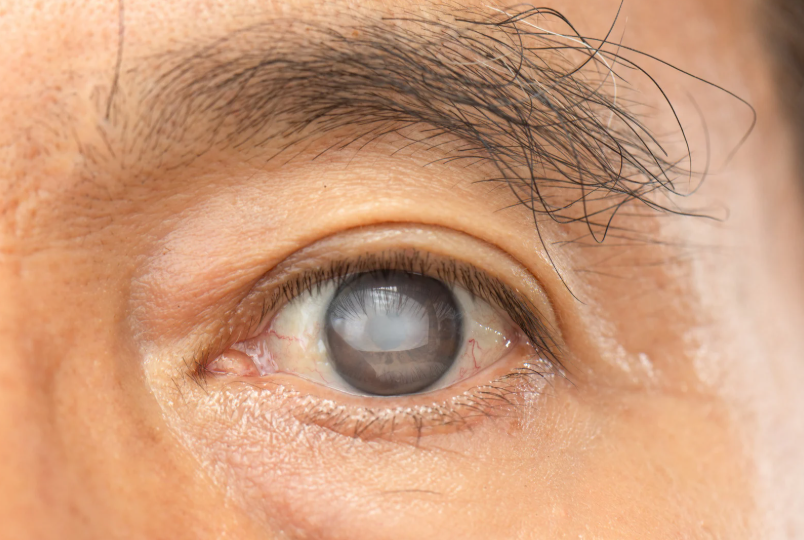
A cataract occurs when the natural lens of the eye becomes cloudy. Possible symptoms include blurry vision, glare, difficulty with night driving, faded colors, or frequent prescription changes. Lee Tan Eye Clinic offers cataract assessment and cataract surgery as part of its ophthalmological services.
Not every case of blurry vision is caused by a cataract. Dry eye, refractive error, retinal disease, glaucoma, or other conditions may create similar complaints. A professional examination helps identify the likely cause and whether treatment or monitoring may be appropriate.
Glaucoma
Glaucoma refers to a group of eye diseases that damage the optic nerve. Since early symptoms may be absent, risk assessment and regular examinations are valuable. Family history, age, eye pressure, optic nerve appearance, and visual field results may help guide the doctor’s assessment.
Lee Tan Eye Clinic is led by Dr. Lee Tan, whose advanced fellowship training focused on glaucoma at UP–PGH. His care approach supports careful evaluation, stepwise management, and follow-up based on each patient’s condition.
Refractive Errors
Nearsightedness, farsightedness, astigmatism, and age-related near-vision difficulty can affect school, work, reading, driving, and screen use. A refraction assessment may determine whether prescription lenses can provide clearer sight.
Retinal and Optic Nerve Concerns
The retina changes light into signals that travel toward the brain through the optic nerve. Changes affecting either structure may interfere with central vision, side vision, color perception, or visual sharpness. Dilation may help the ophthalmologist inspect these areas more fully.
Eyelid, Tear Drainage, and Orbit Concerns
Persistent tearing, eyelid drooping, swelling, lumps, or discomfort around the eye may require further review. Lee Tan Eye Clinic lists plastic, lacrimal, and orbit care among its services. The doctor may recommend added tests or another care plan depending on the cause.
Who Should Consider a Comprehensive Eye Health Check in Bicol?
Eye care is not limited to people who already wear glasses. Children may need assessment when they squint, sit very close to screens, complain of headaches, lose their place while reading, or struggle to see classroom materials.
Adults may benefit from examination when vision changes, eye strain, glare, headaches, double vision, persistent redness, or night-driving difficulty affects daily life. People who work with digital screens, machinery, dust, chemicals, or bright outdoor light may also need guidance about eye protection.
Older adults face higher risk for cataracts, glaucoma, and other age-related concerns. Patients with a family history of glaucoma should discuss suitable examination frequency with an ophthalmologist.
People with diabetes or high blood pressure may need regular dilated examinations. CDC guidance notes that diabetes raises the risk of diabetic retinopathy, glaucoma, and cataracts, while yearly dilated eye examinations may help detect diabetes-related eye disease early.
A Comprehensive eye health check in Bicol may also be appropriate after an eye injury, prior surgery, long-term medication use, or a previous diagnosis that requires monitoring.
Warning Signs That Need Prompt Medical Attention
Some symptoms should not wait for a routine appointment. Sudden loss of vision, severe eye pain, a red painful eye, new flashes, a sudden increase of floaters, a dark curtain across part of the visual field, chemical exposure, or significant eye trauma may require urgent medical care.
Severe headache, nausea, blurred vision, and intense eye pain can occur with angle-closure glaucoma, which requires immediate assessment. The National Eye Institute advises urgent medical help for sudden intense eye pain, nausea, red eye, and blurry vision.
Persistent symptoms also deserve professional review. Ongoing redness, tearing, discharge, light sensitivity, eyelid swelling, or repeated headaches may have several possible causes. Self-medication can delay correct diagnosis, especially when steroid eye drops or leftover prescription medicine are used without medical supervision.
How Often Should Eye Examinations Be Done?
No single schedule suits every person. Examination frequency depends on age, symptoms, family history, general health, past findings, prior surgery, and diagnosed eye disease.
Patients with glaucoma or suspected glaucoma may require closer follow-up than people with no known risk. The National Eye Institute notes that higher-risk people may need a comprehensive dilated eye examination every one to two years, though an eye doctor may recommend a different schedule.
People with diabetes commonly need yearly dilated eye examinations, although the final schedule should come from their treating doctors.
A Comprehensive eye health check in Bicol should not be postponed when new symptoms appear, even when a previous examination took place recently.
How to Prepare for Your Appointment
A little preparation can make the visit more useful. Bring current eyeglasses, contact lens details, prior prescriptions, and previous eye test records when available. Prepare a list of medicines, supplements, allergies, medical conditions, and past operations.
Write down symptoms, when they started, and what makes them better or worse. Note whether relatives have glaucoma, retinal disease, or other serious eye conditions. Patients may also list questions about diagnosis, treatment, surgery, medicine, recovery, or follow-up.
Pupil dilation may cause temporary light sensitivity and blurred near vision. Sunglasses may help after the visit. Some patients may prefer to arrange transportation, especially when they feel uncomfortable driving after dilation.
Preventive Habits That Support Eye Health
Routine care works best alongside practical daily habits. Wear suitable eye protection during construction work, welding, laboratory tasks, sports, yard work, or activities that may send particles toward the eyes. Sunglasses with proper ultraviolet protection can reduce exposure to harmful sunlight.
Manage diabetes, blood pressure, and cholesterol with help from qualified health professionals. CDC guidance links diabetes care, overall health management, and regular eye examinations with lower risk of serious diabetes-related visual problems.
Take screen breaks, adjust lighting, and keep reading material at a comfortable distance. Avoid rubbing irritated eyes and do not share eye drops or contact lens supplies. Follow prescribed medicine directions carefully and attend recommended follow-up visits.
These habits do not replace a Comprehensive eye health check in Bicol, but they support ongoing visual care between appointments.
Why Choose Lee Tan Eye Clinic?
Lee Tan Eye Clinic offers comprehensive ophthalmology, cataract surgery, glaucoma care, and plastic, lacrimal, and orbit services. Care is led by Dr. Lee Tan, a board-certified ophthalmologist with broad clinical and surgical preparation.
His education and training include the University of the Philippines, UP College of Medicine, ophthalmology residency at UP–Philippine General Hospital, and glaucoma fellowship training at the same institution. Five years of general ophthalmology practice before subspecialty training also shaped his broad approach to patient assessment.
The clinic’s care philosophy gives strong value to prevention, early detection, and patient-focused planning. Rather than treating every patient through one standard path, Dr. Tan considers visual needs, health background, test findings, daily activities, and personal goals.
Patients seeking a Comprehensive eye health check in Bicol can receive an assessment that looks beyond visual sharpness alone. The visit may address present symptoms, possible risk factors, deeper eye structures, and a plan for treatment or follow-up.
Take a Proactive Step for Better Eye Care
Vision problems can affect independence, confidence, mobility, learning, work, and safety. Some changes are easy to notice, while others progress quietly. Regular professional assessment gives patients a chance to understand their eye health and respond to concerns at a suitable time.
A Comprehensive eye health check in Bicol at Lee Tan Eye Clinic may help assess visual clarity, cataract symptoms, glaucoma risk, eye pressure, retinal health, optic nerve appearance, eyelid concerns, and other needs identified during consultation.
Patients do not need to wait for severe vision loss before seeking care. A routine examination, symptom-based consultation, or follow-up visit can support better decisions about glasses, medicine, monitoring, surgery, or added testing.
Request an eye consultation with Lee Tan Eye Clinic and take a practical step toward protecting your sight through a Comprehensive eye health check in Bicol.
Frequently Asked Questions
What Does a Comprehensive Eye Health Check in Bicol Cover?
The exact tests depend on age, symptoms, health history, and initial findings. Assessment may cover visual acuity, refraction, pupil response, eye movement, eye pressure, front eye structures, retina, optic nerve, and visual field. Dilation or added imaging may be recommended when needed.
Is a Full Eye Examination Different From a Vision Screening?
Yes. A vision screening usually checks whether a person can see clearly from a set distance. A full ophthalmological examination looks more broadly at visual function and eye health, with test selection guided by the ophthalmologist.
Can Glaucoma Develop Without Symptoms?
Yes. Common forms of glaucoma may progress slowly without obvious early warning. A comprehensive dilated examination can help an eye doctor assess the optic nerve and other glaucoma risk indicators.
Does Normal Eye Pressure Rule Out Glaucoma?
No. Some people with normal eye pressure develop glaucoma, while some people with higher pressure do not develop optic nerve damage. Eye pressure is one part of a broader glaucoma assessment.
Does Blurry Vision Always Mean Cataracts?
No. Blurry vision may result from refractive error, dry eye, cataracts, glaucoma, retinal concerns, or other causes. An ophthalmologist can assess the likely cause and recommend suitable next steps.
Should People With Diabetes Have Regular Eye Checks?
Yes. Diabetes can affect retinal blood vessels and can raise the risk of several eye diseases. CDC guidance supports yearly dilated eye examinations for many people with diabetes, subject to advice from their healthcare team.
Will Every Patient Need Pupil Dilation?
Not always. The ophthalmologist decides whether dilation is appropriate based on the purpose of the visit, symptoms, risk factors, and findings. Dilation allows a broader view of the retina and optic nerve.
How Long Does an Eye Health Check Take?
Appointment length varies. A straightforward assessment may take less time than a visit requiring dilation, visual field testing, imaging, or detailed discussion of a newly identified condition.
What Should I Bring to the Clinic?
Bring current eyeglasses, prior eye records, a medicine list, medical history details, and information about family eye disease. A written symptom timeline and prepared questions may also help.
Where Can I Get a Comprehensive Eye Health Check in Bicol?
Lee Tan Eye Clinic provides comprehensive ophthalmology, cataract surgery, glaucoma care, and plastic, lacrimal, and orbit services. Dr. Lee Tan’s background as a board-certified ophthalmologist, eye surgeon, and glaucoma fellowship-trained doctor supports broad assessment and continuing eye care.