
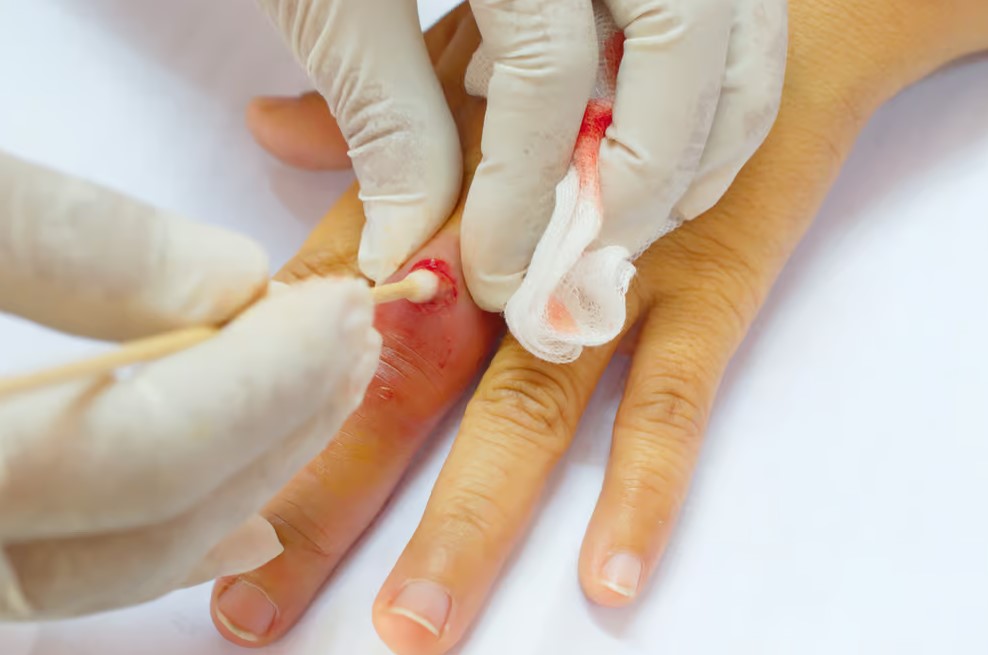
A wound that refuses to heal can affect much more than physical health. It can limit daily activities, reduce mobility, increase discomfort, and affect a person’s confidence and quality of life. While many minor cuts and scrapes improve with basic first aid, some wounds require specialized medical attention to heal safely and effectively.
A trusted wound care facility provides comprehensive treatment for both acute and chronic wounds through advanced medical techniques, ongoing monitoring, and personalized care plans. Rather than focusing only on the wound itself, experienced healthcare professionals evaluate each patient’s overall health, medical history, and healing needs to create a treatment plan designed for lasting recovery.
KALINGAP Wound Care Clinic is committed to delivering compassionate, patient-centered care for individuals facing challenging wounds. Guided by the Filipino values of care and nurturing, the clinic combines advanced medical treatments with evidence-based practices to help patients achieve better healing while supporting their overall well-being.
What Is a Wound Care Facility?
A wound care facility is a specialized medical center dedicated to diagnosing, treating, and managing wounds that require more than routine care. Patients who experience delayed healing, recurring wounds, or wounds affected by underlying medical conditions often benefit from specialized treatment provided by trained wound care professionals.
Unlike general healthcare settings that treat a wide range of illnesses, a wound care facility focuses on improving wound healing through detailed assessments, advanced therapies, infection prevention, and continuous follow-up care.
Each patient receives an individualized treatment plan based on factors such as:
- Type of wound
- Size and depth of the wound
- Overall health condition
- Blood circulation
- Presence of diabetes or vascular disease
- Risk of infection
- Lifestyle and mobility
This personalized approach helps promote steady healing while reducing the possibility of future complications.
Common Types of Wounds Treated at a Wound Care Facility
A professional wound care facility treats various wounds that range from recent injuries to long-standing conditions that have become difficult to heal.
Chronic Wounds
Chronic wounds generally heal much more slowly than expected and often require continuous medical management. These include:
- Diabetic foot ulcers
- Venous leg ulcers
- Arterial ulcers
- Pressure ulcers, also known as bedsores
Patients with diabetes, poor circulation, or limited mobility often experience these conditions, making early treatment especially important.
Acute Wounds
Acute wounds usually develop suddenly because of injury or surgery. Although many heal without difficulty, some require specialized treatment when healing slows or complications develop.
Examples include:
- Surgical wounds
- Traumatic injuries
- Burns
- Deep cuts
- Lacerations
A wound care facility carefully monitors healing progress and adjusts treatment whenever necessary.
Complex Wounds
Some wounds present greater challenges because of infection, damaged tissue, or prolonged healing.
These may include:
- Infected wounds
- Deep tissue wounds
- Non-healing surgical wounds
- Wounds with exposed tissue
- Recurring wounds
Advanced wound management helps reduce complications while encouraging healthy tissue growth.
Signs You Should Visit a Wound Care Facility
Many people wait too long before seeking specialized wound treatment. Early evaluation often improves healing outcomes and may reduce the risk of serious complications.
Consider visiting a wound care facility if you notice:
- A wound that has not improved after several weeks
- Increasing redness around the wound
- Persistent swelling
- Drainage or pus
- Unpleasant odor
- Fever or chills
- Darkened or discolored skin
- Severe pain
- Repeated reopening of the wound
- Slow healing caused by diabetes or poor circulation
Prompt medical attention allows healthcare providers to identify potential problems before they become more serious.
Services Offered at a Modern Wound Care Facility
A comprehensive wound care facility offers specialized services designed to address each stage of wound healing.
Advanced Wound Assessment
Successful treatment begins with a thorough evaluation.
KALINGAP Wound Care Clinic performs detailed wound assessments using evidence-based methods to determine the cause, severity, and healing stage of each wound. This information allows healthcare professionals to develop a customized treatment plan that supports faster recovery.
Regular assessments also help monitor progress and determine whether adjustments are needed throughout treatment.
Debridement Services
Dead or damaged tissue can slow healing and increase the chance of infection.
Debridement removes unhealthy tissue from the wound, allowing healthy tissue to develop more effectively. Depending on the patient’s condition, different debridement techniques may be recommended, including advanced ultrasonic methods.
This important service helps prepare wounds for continued healing while reducing infection risks.
Negative Pressure Wound Therapy
Negative Pressure Wound Therapy has become an important treatment option for many complex wounds.
This advanced technique applies controlled vacuum pressure to the wound through a specialized dressing system. The therapy helps:
- Improve blood circulation
- Reduce excess fluid
- Encourage healthy tissue growth
- Lower swelling
- Support faster healing
Many patients with difficult wounds benefit from this treatment when recommended by their healthcare provider.
Diabetic Foot Ulcer Management
People living with diabetes face a higher risk of developing foot ulcers due to reduced circulation and nerve damage.
A specialized wound care facility provides complete diabetic foot ulcer management that may include:
- Comprehensive wound cleaning
- Infection prevention
- Pressure reduction
- Advanced wound dressings
- Regular monitoring
- Patient education
Early treatment greatly reduces the possibility of serious complications.
Pressure Ulcer Treatment
Pressure ulcers commonly affect individuals with limited mobility who spend long periods sitting or lying down.
Treatment focuses on relieving pressure while promoting healthy tissue repair through:
- Advanced wound dressings
- Pressure relief techniques
- Frequent wound evaluations
- Skin protection
- Ongoing patient support
Each care plan is tailored to the patient’s individual needs.
Infection Control and Management
Wound infections can significantly delay healing if not treated promptly.
A wound care facility carefully monitors wounds for signs of infection while providing appropriate treatment strategies to help control bacterial growth and support safe healing.
Managing infection early may prevent additional tissue damage and reduce the likelihood of hospitalization.
Venous Insufficiency Ulcer Care
Venous ulcers often develop because blood does not circulate efficiently through the legs.
Treatment may include:
- Compression therapy
- Specialized wound dressings
- Skin care recommendations
- Circulation support
- Long-term monitoring
Managing the underlying circulation problem helps improve healing and reduce recurrence.
Education and Prevention Programs
Patient education plays an essential role at every wound care facility.
KALINGAP Wound Care Clinic believes informed patients make better healthcare decisions. Educational programs help patients and caregivers understand proper wound care, skin protection, nutrition, diabetes management, and early warning signs that require medical attention.
These educational efforts support healthier recovery while encouraging long-term prevention.
How Advanced Wound Care Supports Better Healing
Modern wound care continues to improve through medical research and evidence-based treatment methods.
A specialized wound care facility combines multiple approaches to create an environment where wounds have the best opportunity to heal.
Advanced care may include:
- Modern wound dressings
- Moist wound healing techniques
- Regular wound measurement
- Tissue assessment
- Infection monitoring
- Pressure management
- Circulation evaluation
- Personalized treatment adjustments
Rather than relying on a single treatment method, healthcare professionals continuously evaluate progress and modify care according to each patient’s healing response.
Consistent follow-up appointments also allow providers to identify concerns early before they become more difficult to manage.
Why Personalized Care Makes a Difference
No two wounds heal exactly the same way.
Age, nutrition, circulation, diabetes, mobility, medications, and overall health all influence healing speed. Because of these differences, personalized treatment remains one of the greatest strengths of a specialized wound care facility.
At KALINGAP Wound Care Clinic, every patient receives an individualized care plan based on a complete medical evaluation.
Personalized care may include:
- Detailed medical history review
- Lifestyle evaluation
- Nutritional guidance
- Risk assessment
- Mobility recommendations
- Family participation
- Preventive education
- Scheduled follow-up visits
This patient-focused approach supports safer healing while helping reduce future wound complications.
Choosing the Right Wound Care Facility
Selecting the right wound care facility can play an important role during recovery.
When comparing providers, patients and families should consider several factors.
Experienced Healthcare Professionals
Look for clinicians with specialized knowledge and experience treating both chronic and acute wounds.
Comprehensive Treatment Options
A quality wound care facility should provide a broad range of services rather than a single treatment approach.
Advanced Technology
Modern wound care equipment and evidence-based techniques help improve treatment accuracy and patient outcomes.
Patient-Centered Care
Every patient deserves respectful communication, individualized treatment planning, and compassionate support throughout the healing process.
Ongoing Education
Patient education encourages healthier daily habits and helps prevent recurring wounds.
Follow-Up Care
Regular monitoring allows providers to evaluate healing progress and make timely adjustments whenever necessary.
Why Patients Trust KALINGAP Wound Care Clinic
KALINGAP Wound Care Clinic was established with a clear purpose: providing accessible, compassionate wound care for people from every walk of life.
The clinic’s name reflects Filipino values centered on genuine care and nurturing. These principles shape every patient interaction while creating a supportive environment where healing remains the primary goal.
Patients choose this wound care facility because of its commitment to:
- Advanced wound assessment
- Personalized treatment planning
- Debridement services
- Negative Pressure Wound Therapy
- Diabetic foot ulcer management
- Pressure ulcer treatment
- Infection control and management
- Venous insufficiency ulcer care
- Patient education
- Community outreach programs
- Ethical, evidence-based medical practices
KALINGAP also recognizes that financial concerns often prevent people from seeking timely healthcare. Through community partnerships, outreach efforts, and affordability initiatives, the clinic works to improve access to specialized wound treatment for underserved communities across Metro Manila.
Beyond treating wounds, the clinic supports patients through education, emotional encouragement, and preventive care that promotes healthier living long after the wound has healed.
Takeaway
Living with a chronic or difficult-to-heal wound should never mean facing recovery alone. Professional care offers access to specialized treatments, continuous monitoring, and personalized guidance that supports healthier outcomes.
KALINGAP Wound Care Clinic remains dedicated to providing compassionate care through advanced wound assessment, evidence-based treatment methods, patient education, and continuous support. Whether you are managing a diabetic foot ulcer, pressure ulcer, surgical wound, or another complex condition, this trusted wound care facility is committed to helping patients move toward safer healing, improved comfort, and a better quality of life.
Frequently Asked Questions About a Wound Care Facility
What is a wound care facility?
A wound care facility specializes in diagnosing and treating wounds that require advanced medical care, particularly wounds that heal slowly, become infected, or are linked to chronic health conditions.
Who should visit a wound care facility?
Anyone with a wound that is not healing properly, shows signs of infection, keeps returning, or is associated with diabetes, poor circulation, surgery, or limited mobility should consider professional evaluation.
How long does wound healing usually take?
Healing time varies depending on the type of wound, overall health, blood circulation, nutrition, and medical conditions. Some wounds heal within days, while chronic wounds may require several weeks or months of specialized treatment.
Can diabetic wounds heal completely?
Yes. Many diabetic wounds heal successfully when patients receive early diagnosis, proper wound management, blood sugar control, and consistent follow-up care at a qualified wound care facility.
What happens during my first appointment?
Your healthcare provider will examine the wound, review your medical history, identify possible causes affecting healing, and recommend a personalized treatment plan based on your specific needs.
Does every wound require debridement?
No. Debridement is recommended only when unhealthy tissue prevents normal healing. Your healthcare provider will determine whether this treatment is appropriate after evaluating the wound.
What treatments are available for infected wounds?
Treatment depends on the severity of the infection and may include wound cleaning, specialized dressings, debridement, infection management, and regular monitoring to support safe healing.
How can I help prevent wounds from returning?
Good skin care, proper nutrition, diabetes management, regular movement, pressure relief, and following your healthcare provider’s recommendations all help reduce the chance of future wounds.
When should I seek immediate medical attention?
Seek prompt medical care if your wound suddenly becomes more painful, develops heavy drainage, produces a foul odor, causes fever, spreads redness, or rapidly worsens.
Why should I choose a specialized wound care facility instead of treating my wound at home?
A specialized wound care facility provides expert assessment, advanced treatments, ongoing monitoring, and individualized care that may improve healing while reducing complications compared with home care alone.