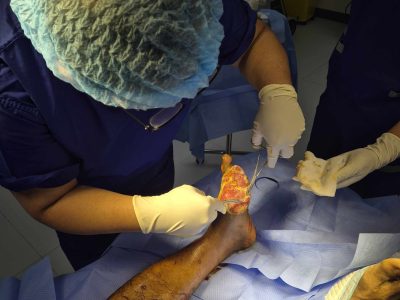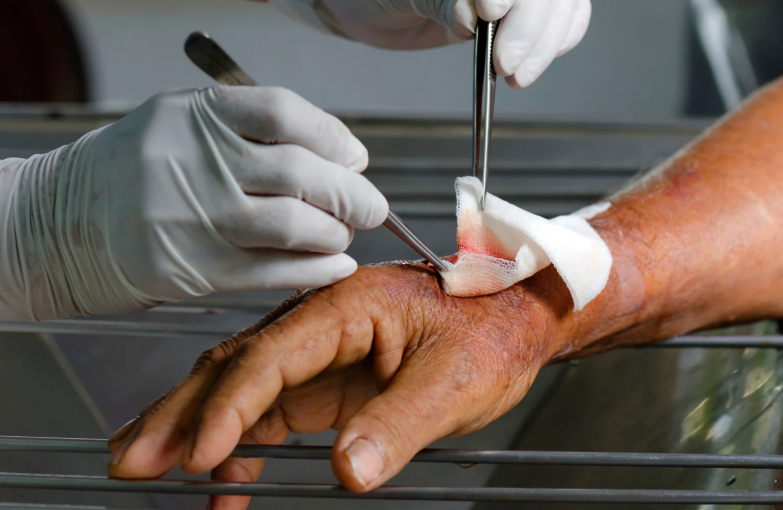
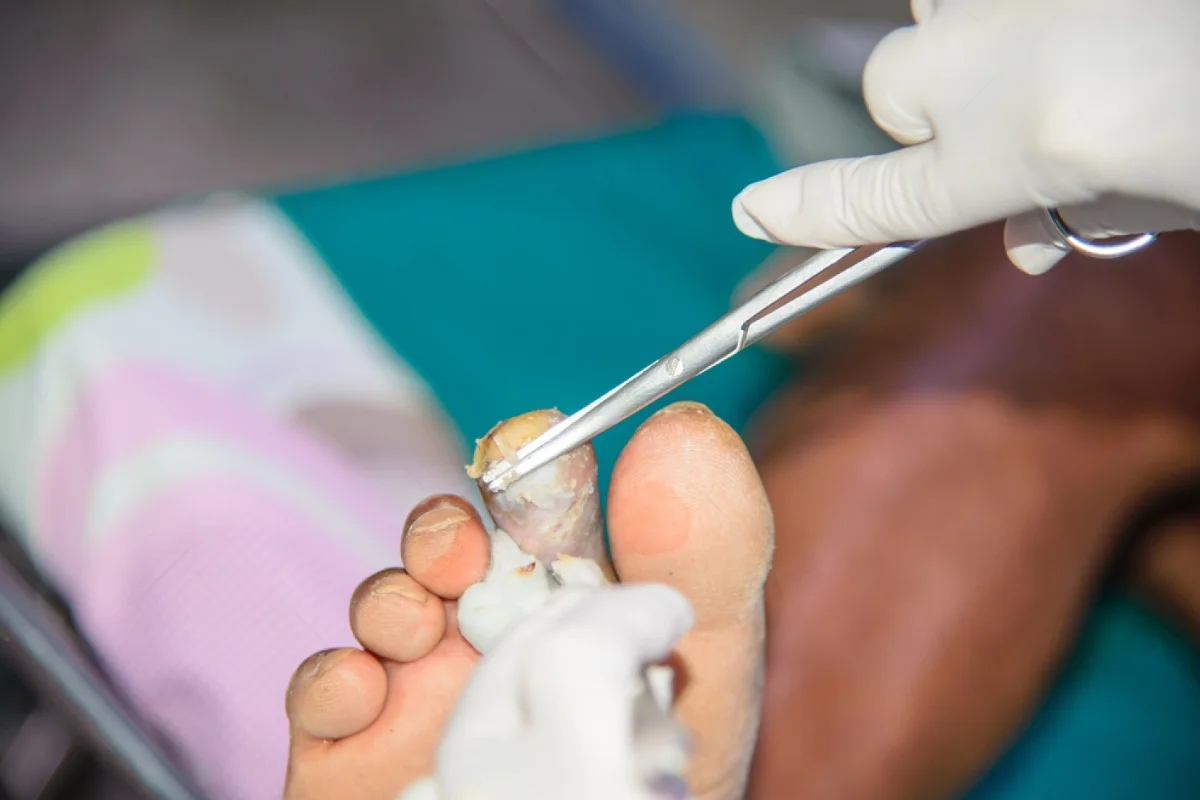
Foot necrosis is a serious condition in which cells and tissues in part of the foot die because they are no longer receiving enough oxygen or have been severely damaged. Several problems can contribute to this tissue death, including poor circulation, diabetes, severe infections, traumatic injuries, and certain vascular conditions. Although a small wound may initially appear harmless, an underlying circulation problem or infection can cause it to become much more serious. Recognizing the warning signs early can help people seek appropriate medical attention before the damage progresses. Foot necrosis may affect the skin alone or extend into muscles, nerves, tendons, and bones. The appearance and severity of the condition can vary considerably depending on its underlying cause. Anyone who notices significant discoloration, loss of sensation, severe pain, unusual coldness, or a worsening wound should seek professional medical assessment promptly.
What Is Foot Necrosis?
Foot necrosis refers to the death of tissue in the foot. Healthy tissues require a continuous supply of oxygen and nutrients through the blood, so a significant reduction in blood flow can eventually cause cells to die. Tissue can also become necrotic after severe infection, major injury, burns, frostbite, or other forms of extensive damage. Necrotic tissue may appear black, brown, gray, purple, or otherwise significantly different from the surrounding healthy skin. In some situations, the affected area can become dry and shriveled, while other cases involve swelling, drainage, or a foul odor. The condition is not simply a cosmetic change because tissue death can indicate a serious underlying medical problem. Prompt evaluation is important because treatment may focus on restoring circulation, controlling infection, protecting healthy tissue, and addressing the condition responsible for the damage.
What Causes Foot Necrosis?
One of the major causes of foot necrosis is inadequate blood circulation. When arteries become narrowed or blocked, tissues may not receive enough oxygen to remain healthy. Peripheral artery disease, or PAD, is one condition that can reduce circulation to the legs and feet. Diabetes can also increase the risk because long-term high blood glucose can contribute to blood vessel and nerve damage. Severe infections may destroy tissue directly or interfere with the body’s ability to maintain healthy tissue. Serious injuries, including crushing injuries, extensive burns, and frostbite, can damage blood vessels and surrounding tissue. Blood clots and other acute vascular problems can also suddenly interrupt circulation, making rapid medical assessment particularly important.
Poor Blood Circulation
Poor blood circulation can gradually deprive the foot of the oxygen it needs to function properly. Peripheral artery disease is a common vascular condition associated with reduced blood flow to the lower extremities. People with advanced circulation problems may develop pain while walking, wounds that heal slowly, changes in skin temperature, or changes in skin color. When circulation becomes severely compromised, tissue may eventually become damaged beyond recovery. A foot that suddenly becomes cold, pale, blue, numb, or extremely painful may indicate an urgent circulation problem. Chronic circulation issues can be particularly dangerous when a person also has an open wound or infection. Medical evaluation can help determine whether vascular treatment is necessary to improve blood flow and protect viable tissue.
Diabetes and Foot Complications
Diabetes is an important risk factor for serious foot problems, including tissue necrosis. Persistently elevated blood glucose can damage blood vessels and nerves over time. Nerve damage may reduce a person’s ability to feel pain, heat, pressure, or minor injuries affecting the feet. As a result, a blister, cut, pressure point, or ulcer may continue worsening without being noticed. Reduced circulation can further interfere with the body’s ability to deliver oxygen and nutrients needed for wound healing. An infected diabetic foot ulcer can become increasingly serious if it is not treated appropriately. People with diabetes should therefore inspect their feet regularly and seek medical attention for wounds, discoloration, swelling, drainage, or other unusual changes.
Severe Infections
A severe infection can rapidly damage soft tissue and create a medical emergency. Some infections can spread through layers of tissue and cause extensive destruction within a short period. Necrotizing soft tissue infections are particularly serious because they can progress rapidly and require immediate medical intervention. Wet gangrene can also occur when tissue death is accompanied by bacterial infection and significant inflammation. Symptoms may include rapidly increasing pain, swelling, redness or discoloration, drainage, fever, or a foul odor. Some serious infections can produce symptoms that appear disproportionate to the visible wound. Rapidly worsening foot symptoms should never be managed solely with home remedies because severe infection can become life-threatening.
Serious Foot Injuries
Major trauma can damage blood vessels, nerves, muscles, and skin at the same time. Crushing injuries may restrict circulation to a portion of the foot and increase the risk of tissue death. Severe burns can destroy layers of tissue and may also cause swelling that interferes with blood flow. Frostbite can injure skin and deeper tissues after prolonged exposure to extreme cold. Even when the initial injury seems localized, circulation problems can cause additional damage afterward. People with diabetes or vascular disease may have a higher risk of complications after a foot injury. Significant trauma should therefore be evaluated by a healthcare professional, particularly when the foot becomes increasingly swollen, cold, numb, discolored, or painful.
Common Signs and Symptoms of Foot Necrosis
The signs of foot necrosis can differ depending on the underlying condition and how much tissue has been affected. One noticeable warning sign is a significant change in skin color, such as black, gray, dark purple, blue, or unusually pale skin. The affected foot may also feel colder than the other foot when circulation is severely reduced. Pain can occur, particularly when tissue is deprived of oxygen or an infection is present, although some people may experience little pain because of nerve damage. Numbness, tingling, weakness, or reduced sensation can also indicate nerve or circulation problems. Open wounds, blisters, swelling, drainage, or an unpleasant odor can signal infection or tissue breakdown. Because these symptoms can have different causes, a healthcare professional should assess significant or rapidly worsening changes rather than relying on appearance alone.
Different Types of Tissue Necrosis That Can Affect the Foot
Foot necrosis can occur in different forms depending on the cause and characteristics of the affected tissue. Dry gangrene is generally associated with severely reduced blood flow and may cause tissue to become dry, shriveled, and dark. Wet gangrene involves tissue death along with infection and swelling, making it particularly urgent. Gas gangrene is a severe bacterial infection in which gas can develop within damaged tissues. Necrotizing soft tissue infections can also destroy tissue rapidly and require emergency treatment. These conditions are medically serious and cannot be reliably distinguished by a person simply examining the foot at home. Professional assessment is necessary to determine the extent of tissue damage and identify the most appropriate treatment.
Who Is at Greater Risk of Foot Necrosis?
Certain health conditions and lifestyle factors can increase the likelihood of developing serious foot tissue damage. People with diabetes may face increased risk because of nerve damage, vascular problems, and impaired wound healing. Individuals with peripheral artery disease may also be vulnerable because restricted blood flow can limit the delivery of oxygen to the feet. Smoking can damage blood vessels and contribute to circulation problems, making vascular health an important consideration. People with chronic foot ulcers, repeated injuries, or poorly treated infections may also have a greater risk of tissue breakdown. Older adults with several underlying health conditions may require particularly careful monitoring of foot health. Recognizing these risk factors can encourage earlier medical care and regular foot examinations before a minor problem develops into a more serious condition.
How Is Foot Necrosis Diagnosed?
Healthcare professionals typically begin by examining the affected foot and asking about symptoms, injuries, existing medical conditions, and how quickly the changes developed. The examination may include checking skin color, temperature, sensation, swelling, wounds, pulses, and other signs of circulation or infection. Vascular tests may be used when poor blood flow is suspected. An ankle-brachial index can help assess circulation between the arms and ankles, while Doppler ultrasound may provide information about blood movement through vessels. Additional imaging may be needed when clinicians need to evaluate deeper tissue, blood vessels, bone involvement, or possible gas within tissue. Blood tests and wound or tissue testing may also help identify infection or systemic inflammation. The exact diagnostic approach depends on the patient’s symptoms, physical findings, medical history, and suspected cause.
Treatment Options for Foot Necrosis
Treatment for foot necrosis depends heavily on why the tissue has died and how extensive the damage has become. If poor circulation is responsible, doctors may evaluate whether blood flow can be improved through medication, minimally invasive vascular procedures, or surgery. If an infection is present, antibiotics and urgent medical treatment may be necessary. Dead, damaged, or infected tissue may sometimes need to be removed through a procedure known as debridement. Wound care can involve protecting the area, controlling drainage, reducing pressure, and supporting the healing of viable tissue. Severe tissue damage may require surgery when infection or irreversible tissue loss threatens the rest of the foot or the person’s overall health. In the most advanced cases, amputation may be necessary, although healthcare teams generally assess whether healthy tissue and useful foot function can be preserved.
Restoring Blood Flow
When inadequate circulation contributes to foot necrosis, restoring blood flow can be an important part of treatment. Doctors may investigate the location and severity of an arterial blockage using vascular examinations and imaging. Depending on the individual situation, treatment may involve medication, angioplasty, stenting, or vascular surgery. Improving circulation may help provide oxygen to tissue that remains viable and may support wound healing. The appropriate treatment depends on the person’s overall health, vascular anatomy, symptoms, and severity of circulation impairment. A sudden loss of circulation requires especially urgent attention because prolonged oxygen deprivation can result in irreversible tissue damage. People with chronic circulation problems should also follow their healthcare team’s recommendations for managing vascular risk factors.
Treating Infection
When foot necrosis is associated with infection, controlling the infection becomes a critical medical priority. Antibiotics may be prescribed when bacterial infection is identified or strongly suspected. Severe infections may require intravenous medication and hospital-based monitoring. Doctors may also need to drain infected areas or remove dead tissue that cannot recover. Necrotizing infections can progress quickly, so delaying treatment may allow the infection to spread into deeper tissues or throughout the body. Fever, rapidly worsening pain, swelling, discoloration, foul-smelling drainage, and systemic illness can all be warning signs that require urgent assessment. Treatment decisions should be made by qualified healthcare professionals based on examination findings and appropriate testing.
Wound Care and Debridement
Wound care is often an important part of managing damaged foot tissue. A healthcare professional may clean the wound, protect it from further trauma, and determine whether dead or infected tissue needs to be removed. Debridement involves removing nonviable tissue so that healthier tissue can be appropriately managed. The method used depends on the wound, the patient’s health, circulation, infection status, and other clinical factors. Pressure reduction can also be important because repeated pressure may prevent an existing wound from healing. People with diabetes may require specialized foot care when ulcers or other wounds are present. Attempting to cut away necrotic tissue at home can cause bleeding, infection, or additional injury and should be avoided.
Can Foot Necrosis Be Reversed?
Whether foot necrosis can be reversed depends on how much tissue has been damaged and whether the tissue is still viable. Tissue that has already died generally cannot simply return to normal. However, early treatment may prevent additional healthy tissue from becoming damaged. Addressing poor circulation, infection, pressure, or another underlying cause can sometimes help preserve tissue that has not yet undergone irreversible death. The sooner a serious foot problem is assessed, the more opportunities clinicians may have to protect viable tissue. Treatment goals may include controlling infection, improving blood flow, managing wounds, reducing pressure, and maintaining as much function as possible. The expected outcome varies from person to person and should be discussed with the healthcare team responsible for the patient’s care.
Potential Complications of Untreated Foot Necrosis
Untreated foot necrosis can lead to serious complications, especially when infection or severe circulation impairment is involved. Damaged tissue can become a source of bacterial growth and may contribute to spreading infection. Infection can extend into deeper structures, including muscles and bones, potentially resulting in osteomyelitis. In severe situations, bacteria and inflammatory responses can enter the bloodstream and cause sepsis, which is a medical emergency. Extensive tissue damage may also impair walking and other normal foot functions. Some people with advanced tissue loss may ultimately require surgical removal of part or all of the affected area. Prompt medical evaluation is therefore important when a wound, discoloration, or other foot abnormality is worsening or accompanied by serious symptoms.
Foot Necrosis and Diabetes: Why Prevention Matters
People with diabetes should pay close attention to their feet because nerve and circulation problems can make small injuries harder to detect and heal. Daily visual checks can help identify cuts, blisters, cracks, redness, swelling, discoloration, or other unusual changes. People who have difficulty seeing the bottoms of their feet may use a mirror or ask someone they trust to assist them. Properly fitted footwear can reduce friction and pressure that might otherwise contribute to skin breakdown. Blood glucose management, blood pressure management, cholesterol management, and other aspects of diabetes care should be addressed according to a healthcare professional’s recommendations. Regular foot examinations can also help identify risk factors before a serious wound develops. A minor foot problem should receive timely medical attention when a person has diabetes, particularly if the wound is not healing normally.
How to Reduce the Risk of Foot Necrosis
Reducing the risk of foot necrosis starts with identifying and managing conditions that can interfere with circulation, nerve function, or wound healing. People who smoke should consider quitting because tobacco use can negatively affect blood vessels and circulation. Regular foot checks can help identify injuries and skin changes before they become more advanced. Feet should be kept clean and dry, while excessively dry skin may require appropriate moisturizing that does not leave moisture trapped between the toes. Proper footwear can reduce pressure points, friction, and accidental injuries. People at increased risk should avoid walking barefoot in situations where foot injuries are more likely. Any persistent wound, significant discoloration, swelling, drainage, or change in sensation should be evaluated by an appropriate healthcare professional.
When Should You Seek Emergency Medical Care?
Certain symptoms associated with foot problems require immediate medical attention rather than routine observation. A foot that suddenly becomes cold, pale, blue, numb, or severely painful may indicate an acute circulation problem. Rapidly spreading redness, swelling, severe pain, skin discoloration, or foul-smelling drainage can indicate a serious infection. Fever or feeling severely unwell while experiencing a worsening foot wound can also be an emergency warning sign. Severe pain that appears much greater than expected from the visible injury may occur with certain serious infections and should not be ignored. Black or rapidly darkening tissue requires prompt medical assessment because it may indicate significant tissue death. When symptoms are sudden or rapidly worsening, seeking emergency medical care can be critical to protecting the foot and the person’s overall health.
FAQ About Foot Necrosis
What is foot necrosis?
Foot necrosis is the death of tissue within the foot caused by factors such as inadequate blood supply, severe infection, or extensive tissue injury. It can affect superficial tissue or extend into deeper structures. The condition can become serious if the underlying cause is not addressed promptly. A healthcare professional should evaluate suspected tissue death.
What does foot necrosis look like?
Foot necrosis can cause significant changes in skin color, including black, gray, dark purple, blue, or pale areas. The tissue may sometimes become dry and shriveled, while infected tissue can be swollen or produce drainage and an unpleasant odor. Appearance alone cannot establish the cause or severity of tissue damage. Any concerning discoloration should be medically assessed.
Can diabetes cause foot necrosis?
Diabetes can increase the risk of serious foot complications that may contribute to tissue necrosis. Nerve damage can reduce sensation, while blood vessel damage can impair circulation and wound healing. A small wound may therefore become infected or progressively damaged without being noticed. Regular foot checks and appropriate medical care are particularly important for people with diabetes.
Is foot necrosis painful?
Foot necrosis may be painful, especially when there is severe circulation impairment, infection, or inflammation. However, some individuals may experience little pain because diabetes or another condition has caused nerve damage. A lack of pain does not necessarily mean that the tissue is healthy. Significant changes in appearance, temperature, sensation, or wound condition should still receive professional attention.
Is foot necrosis the same as gangrene?
Necrosis refers broadly to tissue death, while gangrene describes tissue death that commonly occurs because of severe blood-flow problems, infection, or a combination of factors. Different forms of gangrene can affect the foot, including dry and wet gangrene. These conditions can overlap with tissue necrosis but are not necessarily identical terms. Medical assessment is needed to determine the specific condition involved.
What happens if foot necrosis is left untreated?
Untreated tissue necrosis can progress and may involve surrounding healthy tissue. Infection can spread into deeper structures or enter the bloodstream, creating potentially life-threatening complications. Severe tissue loss can also affect mobility and foot function. In advanced situations, surgery or amputation may become necessary.
Can foot necrosis be prevented?
Some causes of foot necrosis can be reduced through appropriate management of diabetes, circulation problems, wounds, and infections. Regular foot inspections can help identify injuries before they become severe. Proper footwear and avoiding unnecessary foot trauma can also reduce risk. People with known risk factors should follow individualized prevention and monitoring recommendations from their healthcare professionals.
Takeaway: Protecting Foot Health Before Problems Progress
Foot necrosis is a serious sign of tissue damage that can result from poor circulation, diabetes, infection, trauma, or other medical conditions. Recognizing unusual changes in color, temperature, sensation, swelling, pain, or wound appearance can help prompt earlier medical attention. People with diabetes and vascular conditions should be particularly attentive because nerve and circulation problems can allow foot injuries to worsen unnoticed. Treatment depends on the underlying cause and may involve improving blood flow, controlling infection, providing specialized wound care, removing nonviable tissue, or performing surgery when necessary. Dead tissue generally cannot be restored, but early treatment can sometimes protect surrounding tissue that remains viable. Maintaining good foot hygiene, using appropriate footwear, managing underlying health conditions, and obtaining regular medical assessments can help reduce serious complications. If a foot becomes suddenly cold, numb, severely painful, significantly discolored, or rapidly swollen, seeking urgent medical care is essential.