
Questions about biological paternity can be deeply personal, and uncertainty can affect fathers, mothers, children, and entire families. A Non-Legal Peace of Mind Paternity DNA Test Philippines can provide valuable biological information for people who want answers for personal reasons. Unlike testing specifically arranged for court or official proceedings, a peace-of-mind test is generally intended to help individuals understand a biological relationship privately. DNA testing has become an important scientific tool for determining biological relationships because genetic material can be compared between a child and an alleged father. Philippine courts have recognized DNA analysis as a scientifically useful method for examining paternity and filiation. Understanding how this type of test works can help individuals make a more informed decision before submitting samples. It can also help families distinguish between a test intended for personal knowledge and one that may need to satisfy formal legal requirements.
What Is a Non-Legal Peace of Mind Paternity DNA Test?
A non-legal peace-of-mind paternity DNA test is designed primarily for individuals who want to know whether a man is the biological father of a child without initially using the result for a court or government proceeding. The testing process examines genetic information obtained from the participants and compares relevant DNA profiles. A child receives genetic material from biological parents, allowing laboratories to examine inherited genetic markers when evaluating a possible father-child relationship. Philippine DNA Evidence rules define DNA testing as the use of verified and credible scientific methods to generate and compare DNA profiles for purposes that include determining relationships between individuals. A personal test can therefore provide meaningful scientific information even though its collection process may differ from a formal legal test. People may choose this option when their main goal is personal knowledge, family clarification, or private reassurance. Before ordering any test, however, it is important to confirm exactly how the provider defines its non-legal or peace-of-mind service.
Why People Choose Peace-of-Mind Paternity Testing
There are many personal reasons why someone may consider a Non-Legal Peace of Mind Paternity DNA Test Philippines. A father may have questions about biological parentage and want reliable information before making important family decisions. A mother may want to clarify biological relationships when uncertainty has remained unresolved. An adult child may also seek information about biological ancestry or the identity of a biological father. Some families prefer to obtain private information first rather than immediately entering a formal legal process. DNA testing can replace prolonged uncertainty with objective genetic information when the appropriate samples are available and properly analyzed. Because paternity questions can involve strong emotions, individuals should consider how they may respond to either a paternity inclusion or exclusion before testing. A careful approach can help participants prepare for the information they may receive and determine what they want to do with it afterward.
How DNA Testing Can Determine Biological Paternity
DNA testing works by examining genetic markers that can be compared between a child and an alleged father. A child inherits genetic material from biological parents, meaning that portions of the child’s DNA should correspond to genetic material inherited from the biological father. During paternity analysis, laboratories examine multiple genetic regions rather than relying on a single characteristic. The Philippine Supreme Court has explained that paternity testing involves examining variable genetic regions to create DNA profiles and comparing the child’s paternal genetic types with those of the alleged father. If the tested man’s genetic profile does not provide the required matches, he may be excluded as the biological father. When the genetic findings support paternity, the laboratory can calculate a probability of parentage using statistical methods. Philippine DNA Evidence rules define probability of parentage as a numerical estimate of the likelihood of parentage compared with the probability of a random match between unrelated individuals.
What Happens During a Peace-of-Mind Paternity DNA Test?
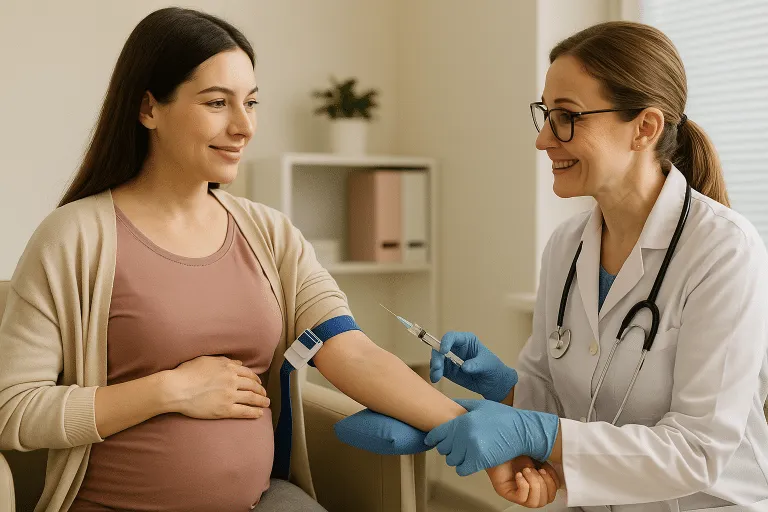
The process generally begins by selecting a DNA testing provider and determining which participants need to provide samples. Many paternity testing services use cheek-cell samples collected with a swab because this method is convenient and does not normally require a traditional blood draw. Participants follow the provider’s instructions for collecting, labeling, packaging, and submitting the samples. The laboratory then processes the biological material and generates DNA profiles for comparison. The resulting profiles are analyzed using the laboratory’s established testing methodology, after which a report is prepared. The exact collection procedure, processing time, participant requirements, and result-delivery method can vary between providers. Anyone considering testing should therefore ask specific questions about sample collection and laboratory processing before purchasing a test. Understanding every step can reduce mistakes and help participants know what to expect from the testing experience.
Why the Testing Laboratory Matters
The reliability of a paternity DNA test depends on more than simply collecting a biological sample. The laboratory’s testing methodology, quality controls, personnel, and handling procedures are important considerations when selecting a provider. Philippine courts evaluating DNA evidence may consider how samples were collected, how they were handled, the possibility of contamination, the testing procedure, applicable scientific standards, and the qualifications of the analyst. Consumers should therefore look for providers that clearly explain who performs the analysis and what standards guide the testing process. It is also useful to ask whether the provider can explain its laboratory credentials and quality-control procedures. A transparent provider should be able to distinguish scientific testing quality from the separate question of whether a particular test is suitable for official legal use. Choosing a reputable testing service can give participants greater confidence that the results are based on properly processed samples and appropriate laboratory procedures.
Non-Legal Paternity Testing Compared With Legal Paternity Testing
The main difference between non-legal and legal paternity testing is the intended use and the procedures used to establish the identity and integrity of samples. A peace-of-mind test is generally selected when the participants want information for themselves rather than evidence prepared for a court or official proceeding. A legal test typically involves more formal collection procedures, identity verification, documentation, and chain-of-custody safeguards. Philippine DNA Evidence rules specifically direct courts to consider chain of custody, including how samples were collected and handled, along with testing methodology and laboratory qualifications. The Supreme Court has also described safeguards such as neutral sample collection, appropriate identification of tested parties, tamper protection, and documented handling when DNA evidence is being evaluated in a legal setting. This distinction means that someone who needs DNA evidence for a court case, government requirement, or another formal purpose should not automatically assume that a private peace-of-mind test will satisfy those requirements. Understanding the intended purpose before testing can help prevent the need to repeat the process later.
Privacy and Personal DNA Information
Paternity testing involves highly personal genetic information, so privacy should be an important consideration before samples are submitted. Participants should understand who will have access to their results and how the provider stores, handles, and communicates DNA information. A responsible testing provider should clearly explain its privacy practices and the circumstances under which results may be released. Philippine DNA Evidence rules also recognize the confidential nature of DNA profiles and testing information in proceedings governed by the rules. Although a private peace-of-mind test may have different procedures from court-ordered testing, consumers should still ask how their information will be protected. It is wise to avoid choosing a provider solely because it advertises a low price or extremely fast processing time. Participants should instead consider transparency, laboratory standards, privacy practices, customer support, and the intended use of the test.
Understanding Paternity DNA Test Results
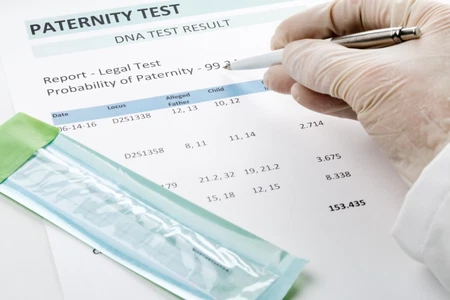
Receiving a paternity DNA report can be an important moment, especially when the test was requested because of long-standing uncertainty. Reports generally provide information indicating whether the alleged father is excluded or whether the genetic findings support biological paternity. When paternity is supported, the report may include a probability of paternity or parentage expressed as a percentage. Philippine jurisprudence explains that probability of paternity is a statistical measure rather than simply a statement that two DNA profiles look alike. The Philippine Rule on DNA Evidence states that DNA results excluding a putative parent are conclusive proof of non-paternity and establishes specific treatment of probability-of-paternity results when DNA evidence is evaluated by a court. However, a private peace-of-mind report should still be interpreted according to its stated purpose and the testing provider’s documentation. If a report contains technical language that is difficult to understand, participants should ask the provider to explain the findings rather than relying on assumptions.
When a Peace-of-Mind Test May Be Suitable
A non-legal paternity DNA test may be suitable when the primary goal is private personal knowledge. Someone who simply wants to understand a biological relationship may not initially need the additional procedures associated with legal DNA evidence. A peace-of-mind test can also allow people to seek information before deciding whether any further action is necessary. However, participants should think carefully about whether there is a possibility that the results will later be needed for a legal matter. If the purpose changes after testing, the original test may not necessarily meet the collection and documentation requirements of a legal proceeding. The best testing option therefore depends heavily on what the participant intends to do with the results. Anyone anticipating a dispute involving custody, support, inheritance, citizenship, or another formal matter should determine the applicable requirements before selecting a testing service.
Choosing a Paternity DNA Testing Provider in the Philippines
Selecting a provider is an important part of obtaining a trustworthy Non-Legal Peace of Mind Paternity DNA Test Philippines. Start by checking whether the provider clearly explains the difference between personal and legal testing. Ask where the DNA analysis is performed and whether information about the laboratory and testing methodology is available. It is also helpful to ask how samples are collected, how they are identified, and how the results are delivered. Consumers should review privacy policies carefully because DNA information is considerably more sensitive than ordinary personal information. The provider should also explain what happens if a sample cannot be processed or if additional samples are needed. A transparent service should avoid unrealistic promises and should give clear information about what its report can and cannot establish. Taking time to compare providers can make the testing experience more predictable and help participants choose a service that matches their personal purpose.
Questions to Ask Before Taking a Paternity DNA Test
Before arranging testing, participants should ask whether the service is specifically designed for personal peace of mind. They should also ask what type of sample is required and whether all participants need to provide samples. Another important question concerns the laboratory that performs the analysis and the quality standards followed during testing. Participants should ask how long the process normally takes and how results will be delivered. Privacy questions are equally important, including how DNA information and test reports are stored and who can access them. If there is any possibility that the results will later be needed for a legal matter, participants should ask the provider whether a formal legal collection process would be more appropriate. Asking these questions in advance can prevent confusion and help people make decisions based on their actual testing needs.
FAQ: Non-Legal Peace of Mind Paternity DNA Test Philippines
What is a Non-Legal Peace of Mind Paternity DNA Test Philippines?
A Non-Legal Peace of Mind Paternity DNA Test Philippines is a paternity DNA test intended primarily for personal information rather than formal court use. It compares genetic information from the child and alleged father to assess biological paternity. The exact procedures and report format depend on the testing provider. Individuals should confirm the provider’s definition of non-legal testing before ordering. If official legal use is expected, a legal testing process may be more appropriate. This distinction is important because courts can evaluate DNA evidence based on factors such as sample handling, chain of custody, testing methodology, and laboratory qualifications.
Is a peace-of-mind paternity test accurate?
DNA paternity testing can provide highly informative biological evidence when samples are properly collected and analyzed using appropriate scientific methods. The reliability of the result depends on the laboratory methodology, sample quality, controls, and other testing factors. Philippine courts specifically consider testing methodology and laboratory qualifications when evaluating DNA evidence. Consumers should therefore investigate the testing provider rather than assuming that every DNA service follows identical procedures. It is also important to understand that scientific accuracy and legal admissibility are separate issues. A personal test may provide useful biological information while still not being designed for court use.
Can a non-legal paternity test be used in court?
A non-legal test should not automatically be assumed to satisfy court requirements. Legal proceedings can require documented sample collection, participant identification, chain-of-custody procedures, and other safeguards. Philippine Supreme Court decisions describe the importance of properly documenting how samples are collected, handled, protected, and analyzed. If the result may be needed for a legal proceeding, it is better to determine the applicable requirements before testing. A testing provider can explain whether its service is intended for personal use or formal legal purposes. When the intended purpose is official, selecting the correct testing process from the beginning can help avoid unnecessary repeat testing.
Does a paternity DNA test require a blood sample?
Many paternity DNA tests can use cheek-cell samples collected with a swab rather than a traditional blood sample. The exact collection method depends on the provider and testing service selected. Participants should follow the provider’s instructions carefully to avoid collection problems. Samples must also be properly identified and handled according to the testing procedure. For legal testing, additional collection and identity-verification safeguards may apply. Anyone arranging a test should ask the provider what sample type is required before beginning the process. This is especially useful when testing involves young children or participants who may have questions about sample collection.
How long does a paternity DNA test take in the Philippines?
The processing period can vary depending on the provider, laboratory, sample condition, and testing service selected. Some providers may offer different processing options with different turnaround periods. Participants should ask for an estimated processing time before submitting their samples. They should also ask whether the stated timeframe begins when the kit is ordered, when samples are collected, or when the laboratory receives usable samples. Delays can sometimes occur when a sample cannot be processed or when additional collection is necessary. A reliable provider should explain its expected timeframe clearly. Participants should also avoid choosing a testing service based solely on speed when laboratory quality and privacy are equally important.
Can the mother be included in a paternity test?
The mother can often participate in a paternity DNA test, although whether her sample is required depends on the testing arrangement. Including the mother may provide additional genetic information that can assist with analysis. The Philippine Supreme Court has noted that testing the mother, alleged father, and child can provide greater accuracy in estimating probability of paternity than testing the alleged father and child alone. However, the exact participant requirements vary by provider and testing situation. People should ask the testing service which participants are recommended or required. Understanding this before sample collection can make the process smoother.
Is a peace-of-mind DNA test private?
Privacy depends on the provider’s policies and the way the testing service handles genetic information. Participants should review how samples, DNA profiles, reports, and personal details are stored and who can receive the results. DNA information is particularly sensitive because it contains biological information connected to an individual. Philippine DNA Evidence rules recognize confidentiality protections for DNA profiles and related testing information in covered legal proceedings. People considering private testing should still ask the provider specific questions about data retention and result delivery. Choosing a provider with clear privacy policies can help participants feel more comfortable about submitting their samples.
Takeaway
A Non-Legal Peace of Mind Paternity DNA Test Philippines can be a practical option for people seeking private information about a biological father-child relationship. The test uses DNA analysis to compare genetic information and can provide scientifically meaningful findings when performed through appropriate laboratory procedures. The most important first step is understanding whether the desired test is intended for personal knowledge or an official legal purpose. Legal DNA evidence can involve additional requirements involving sample collection, identity verification, chain of custody, laboratory methodology, and documentation. Choosing a reputable provider, asking about laboratory standards, protecting personal information, and understanding the report can make the experience more informed. Participants should also prepare themselves emotionally for the possibility of an unexpected result before testing takes place. With careful planning and the right testing option, DNA testing can provide valuable information while helping individuals make decisions based on reliable genetic evidence.