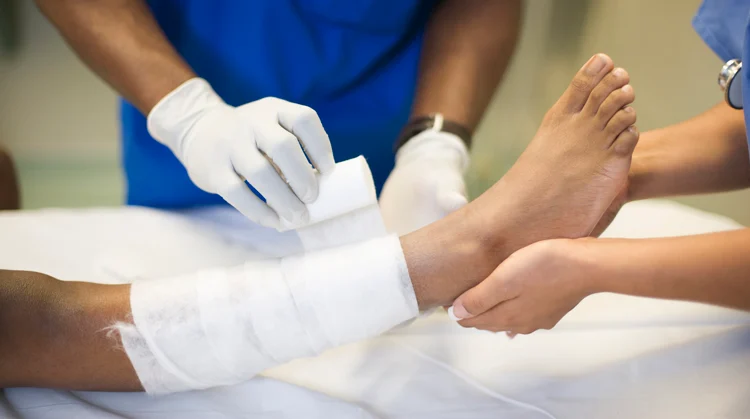
A wound treatment center serves as a specialized facility dedicated to managing complex, chronic, and non-healing wounds that often fail to improve with standard care. These centers provide a combination of advanced technology, specialized medical expertise, and patient-centered care to help individuals heal faster and avoid complications. Many patients with conditions such as diabetes, poor circulation, or post-surgical wounds benefit from these centers’ unique approach. By focusing on individualized treatment, a wound treatment center not only heals the physical wound but also improves a patient’s overall well-being and quality of life.
Understanding the Role of a Wound Treatment Center
A wound treatment center goes beyond the capabilities of traditional clinics or hospitals. It is specifically designed to address wounds that have become difficult to heal due to underlying health conditions or poor blood flow. Unlike basic wound dressing or first-aid clinics, these centers combine diagnostic tools, laboratory services, and therapeutic treatments under one roof. Their goal is not just to close the wound but to identify and treat its root cause. Specialized physicians, often called wound care specialists, assess each patient’s condition and tailor the treatment to their unique needs. By offering both advanced and preventive care, these centers empower patients to actively participate in their recovery journey.
Types of Wounds That Require Specialized Treatment
Some wounds simply cannot be treated with home remedies or basic first aid. Chronic wounds, for instance, persist for weeks or months and require more than routine care. These include a wide range of conditions such as diabetic ulcers, venous leg ulcers, and pressure sores. Patients who suffer from poor circulation, compromised immune systems, or prolonged immobility are particularly at risk. Typical wounds that benefit from specialized treatment include:
- Diabetic foot ulcers that result from poor blood circulation and nerve damage.
- Pressure ulcers (bedsores) caused by prolonged pressure on certain body areas.
- Venous leg ulcers that develop due to vein problems and poor blood return.
- Surgical wounds that don’t heal properly after operations.
- Traumatic injuries that lead to deep tissue damage or infection.
Recognizing when to seek professional help can make a crucial difference. Persistent wounds that show signs of infection, pain, or discoloration should be evaluated by specialists to prevent serious complications.
Advanced Treatment Options Offered at a Wound Treatment Center
Modern wound treatment centers are equipped with cutting-edge tools and therapies that significantly speed up healing. One of the most notable techniques is negative pressure wound therapy (NPWT), which uses suction to remove fluids and promote tissue regeneration. Another highly effective method is hyperbaric oxygen therapy, where patients breathe pure oxygen in a pressurized chamber to boost healing and fight infection. Specialists also perform debridement, a procedure to remove dead tissue and promote the growth of healthy skin. Antibiotic therapies are tailored based on lab tests to control infection effectively.
Some of the most advanced services offered include:
- Application of bioengineered skin substitutes
- Moisture-balancing dressings to maintain optimal wound environments
- Nutritional therapy to support tissue repair
- Compression therapy for venous-related wounds
- Customized rehabilitation programs to restore mobility and circulation
These innovative methods not only address the visible wound but also promote long-term tissue health. The integration of multiple medical disciplines ensures that healing occurs both inside and out.
The Role of a Multidisciplinary Team in Wound Healing
Healing complex wounds requires the expertise of multiple healthcare professionals working together. A wound treatment center brings together doctors, nurses, dietitians, and physical therapists to provide a holistic plan for every patient. Each team member plays an important role in the recovery process. For example, physicians handle the diagnostic and medical aspect, nurses perform wound dressing and daily monitoring, and nutritionists ensure the patient’s diet supports faster recovery. Physical therapists help restore mobility, which is often vital for proper circulation and wound healing.
This coordinated approach ensures that every factor influencing recovery—such as infection, nutrition, mobility, and patient mindset—is addressed. The emotional aspect of healing is equally important. Patients often feel anxious or frustrated about slow progress, and having a compassionate medical team provides reassurance and motivation throughout their journey.
Benefits of Visiting a Specialized Wound Treatment Center
The benefits of receiving care from a dedicated wound treatment center are significant. Patients experience faster recovery times due to personalized treatment plans and advanced medical technology. Specialized centers help reduce the risk of severe infections that can lead to hospitalization or even amputation. In addition, patients receive long-term prevention strategies to keep wounds from recurring.
Some of the main advantages include:
- Faster healing through advanced wound therapies and regular monitoring
- Reduced complications from infection and delayed healing
- Improved mobility and restored comfort in daily activities
- Enhanced quality of life through personalized care plans
- Cost-effectiveness by preventing repeated hospital visits and treatments
When wounds are properly managed by experts, the difference is life-changing. Patients not only heal physically but also regain confidence and independence.
The Healing Journey: What Patients Can Expect
The process of receiving treatment at a wound treatment center begins with a detailed evaluation. Specialists assess the wound’s size, depth, and cause, while also examining the patient’s overall health. Based on these findings, a personalized care plan is created. During each visit, progress is closely monitored, and treatments are adjusted as necessary.
The typical journey includes:
- Comprehensive medical assessment
- Customized treatment design
- Ongoing wound dressing and therapy
- Regular progress evaluation
- Education on self-care and prevention
Follow-up visits are crucial to ensure long-term healing and to prevent recurrence. Patients are also encouraged to maintain open communication with their care team, allowing for timely adjustments to their treatment.
Preventive Care and Lifestyle Guidance
Preventing wounds is always better than treating them. A wound treatment center not only focuses on healing but also equips patients with practical knowledge for prevention. Simple habits such as maintaining proper hygiene, staying hydrated, and ensuring adequate nutrition can make a major difference. Individuals with diabetes or circulatory problems are taught to check their skin regularly for signs of injury.
Effective prevention strategies include:
- Keeping the skin clean and moisturized
- Managing blood sugar levels for diabetic patients
- Wearing properly fitted footwear
- Avoiding prolonged pressure on one area of the body
- Staying active to improve circulation
These preventive measures empower patients to take control of their health and reduce the risk of chronic wounds forming again.
Common Myths About Wound Treatment Centers
There are several misconceptions about wound treatment centers that often discourage people from seeking professional help. One common myth is that these centers are expensive or unnecessary for minor wounds. In reality, many services are covered by insurance, and early intervention can prevent costly complications later. Another misconception is that wound centers are only for elderly patients, but anyone with a non-healing wound can benefit from their expertise.
Other myths include the belief that home remedies are enough or that wounds will heal on their own over time. These misunderstandings can lead to delayed treatment and severe infections. Wound treatment centers are accessible, evidence-based, and designed to cater to all types of patients.
Choosing the Right Wound Treatment Center
Selecting the right facility is an important step toward recovery. Patients should consider factors such as the center’s accreditation, staff experience, and the availability of advanced technologies. A good wound treatment center will have a dedicated team, modern equipment, and a patient-first approach.
When evaluating a center, ask the following:
- Are the medical staff certified wound care specialists?
- Does the center offer hyperbaric oxygen therapy or advanced dressings?
- How are treatment plans customized per patient?
- Is patient education part of the healing process?
- Are follow-up and preventive care services included?
Choosing wisely ensures that patients receive top-quality care and the best chance for lasting healing.
Frequently Asked Questions (FAQ)
1. What’s the difference between a wound clinic and a wound treatment center?
A wound clinic offers general wound care, while a wound treatment center provides specialized, multidisciplinary treatments using advanced technology and techniques.
2. How long does it take for chronic wounds to heal?
Healing time varies depending on the wound’s severity, the patient’s health condition, and treatment consistency. Some wounds may take several weeks or months.
3. Does insurance cover wound treatment center services?
Many insurance plans cover wound treatment services, especially if medically necessary. Patients should check with their provider for specific details.
4. Are there home-care options after visiting a wound center?
Yes, most centers provide detailed instructions and support for at-home care, including dressing changes and monitoring.
5. Can elderly or diabetic patients safely undergo advanced wound therapies?
Yes, these treatments are specifically designed to help individuals with diabetes or age-related complications heal effectively and safely.
Takeaway
A wound treatment center represents a lifeline for individuals struggling with chronic or slow-healing wounds. It combines advanced medical care, compassionate support, and preventive education to ensure lasting recovery. By choosing expert-guided treatment and following professional advice, patients can look forward to better healing outcomes, improved comfort, and a renewed sense of confidence in their daily lives.