
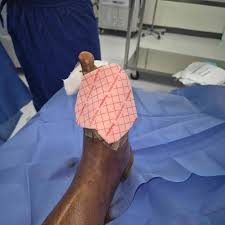
Chronic wounds, diabetic ulcers, and post-surgical complications require more than ordinary care. Patients dealing with these conditions need specialized attention from a doctor for wounds who can provide advanced treatments and guidance to promote healing, prevent complications, and improve quality of life. Wounds that do not heal on their own can lead to infections, loss of mobility, and in severe cases, amputation. Seeking timely care from a qualified specialist ensures that wounds are managed effectively with minimal risk to overall health.
Patients in Quezon City, Metro Manila, and nearby provinces can access comprehensive wound care services led by a doctor for wounds who combines medical expertise with compassionate patient support. A doctor for wounds focuses on treating slow-healing or complex wounds, offering personalized strategies that address both the wound itself and any underlying conditions that may impede healing.
Who is a Doctor for Wounds?
A doctor for wounds is a medical specialist trained to diagnose, treat, and manage wounds that are difficult to heal or prone to complications. Unlike general practitioners, a doctor for wounds uses specialized techniques and evidence-based approaches to treat chronic wounds, pressure ulcers, diabetic foot ulcers, venous ulcers, and post-surgical wounds.
Complex wounds often require careful assessment to determine their underlying causes, which can include diabetes, poor circulation, immobility, infection, or previous surgical interventions. A doctor for wounds not only addresses the visible wound but also identifies contributing factors that may delay healing. This ensures treatment is both effective and sustainable, reducing the risk of recurrence.
Meet the Specialist Doctor for Wounds at Kalingap Wound Care Clinic
Dr. Lou Mervyn Tec serves as the leading doctor for wounds at Kalingap Wound Care Clinic. Board-certified in orthopedic surgery, he brings years of local and international experience in complex wound management. Dr. Tec’s medical training includes fellowships in Hand and Microsurgery in Japan and Hip and Knee Preservation in Australia. Graduating cum laude from the University of the Philippines, he completed his medical degree and surgical training with top honors.
Dr. Tec’s approach emphasizes early intervention, personalized treatment plans, and advanced technologies to manage wounds effectively. He has guided countless patients through chronic wound care, ensuring they regain mobility, comfort, and independence. Patients working with a doctor for wounds under Dr. Tec’s care benefit from precise assessments, cutting-edge treatments, and ongoing education about wound prevention and management.
Wound Care Services Offered
The services provided by a doctor for wounds cover a broad spectrum of chronic and complex wound types. Treatments are designed to promote healing, reduce discomfort, and prevent complications.
Advanced Wound Assessment
A thorough evaluation is the first step in effective wound care. The doctor for wounds conducts personalized assessments using evidence-based tools to accurately identify the wound type, severity, and underlying causes. This helps create a tailored treatment plan that addresses both the wound and contributing factors.
Ultrasonic Debridement
Removing non-viable tissue from a wound is essential for healing. Ultrasonic-assisted debridement is a gentle yet effective method performed by a doctor for wounds, ensuring that the wound bed is prepared for optimal recovery while minimizing pain and tissue damage.
Negative Pressure Wound Therapy
Vacuum-assisted wound therapy improves circulation, encourages tissue regeneration, and accelerates healing. A doctor for wounds applies this technology to manage complex wounds, helping patients achieve faster recovery with reduced infection risk.
Diabetic Foot Ulcer Management
Patients with diabetes face a higher risk of foot ulcers, which can lead to serious complications. A doctor for wounds provides expert care to prevent infection, promote healing, and reduce the risk of amputation. Treatment plans may include specialized dressings, offloading strategies, and guidance on managing blood sugar and foot health.
Pressure Ulcer Treatment
Bedsores and wounds from immobility require targeted interventions. The doctor for wounds creates comprehensive care plans that relieve pressure, support skin integrity, and prevent further tissue damage, improving comfort and promoting recovery.
Infection Control and Management
Wounds can become infected quickly if not properly managed. The doctor for wounds addresses infections promptly using evidence-based treatments and continuous monitoring, reducing the risk of serious complications.
Venous Ulcer Care
Leg wounds caused by poor circulation require specialized treatment. A doctor for wounds designs individualized interventions, including compression therapy, wound dressings, and lifestyle guidance to improve healing outcomes and prevent recurrence.
Education and Prevention Programs
Education is a vital component of wound management. A doctor for wounds provides guidance to patients and caregivers on proper wound care techniques, skin protection, and strategies to prevent future wounds. These programs empower patients to take an active role in their healing journey.
Why Seek a Doctor for Wounds?
Chronic wounds that are left untreated or improperly managed can worsen over time, causing pain, infection, and decreased mobility. A doctor for wounds offers specialized expertise to ensure that treatment is safe, effective, and targeted to the patient’s needs.
Benefits of consulting a doctor for wounds include:
- Faster and more effective healing
- Reduced risk of infection and complications
- Preservation of mobility and independence
- Personalized treatment plans based on underlying conditions
- Expert guidance for ongoing wound prevention
Patients gain confidence knowing their care is led by a medical professional who understands the complex nature of slow-healing wounds and can address both immediate and long-term needs.
The Kalingap Approach to Wound Care
The clinic emphasizes a patient-focused approach that blends advanced medical techniques with compassionate care. A doctor for wounds ensures that every patient feels supported throughout their healing journey, receiving both technical expertise and emotional reassurance. Treatments are tailored for comfort, accessibility, and effectiveness, reflecting a strong commitment to high-quality patient care.
The team works closely with each patient to monitor progress, adjust treatment plans as needed, and provide education to prevent future wounds. This approach empowers patients to participate actively in their recovery and maintain long-term skin and health management.
Tips for Preventing Chronic Wounds
Preventing chronic wounds is as important as treating existing wounds. A doctor for wounds provides guidance to reduce risks, including:
- Maintaining proper skin hygiene
- Monitoring for early signs of wounds or infection
- Managing underlying conditions such as diabetes or poor circulation
- Regular repositioning for immobile patients to prevent pressure sores
- Following lifestyle adjustments recommended by the doctor for wounds to support healing
Patient Education and Home Care
Effective wound management continues at home. A doctor for wounds equips patients and caregivers with the knowledge to care for wounds safely,including proper dressing techniques, monitoring for infection, and implementing preventive measures. Follow-up appointments allow the doctor to assess progress, adjust care plans, and provide continued support.
Patients who understand the steps for proper wound care at home can experience faster healing and reduce the likelihood of complications. The combination of professional treatment and patient education is essential for achieving lasting results.
FAQ – Doctor for Wounds
Q: What is a doctor for wounds?
A: A doctor for wounds is a medical specialist trained to diagnose, treat, and manage complex or slow-healing wounds.
Q: When should I consult a doctor for wounds?
A: Patients should seek care for any wound that does not heal within a reasonable time, shows signs of infection, or recurs frequently.
Q: Are wound treatments painful?
A: Most treatments are designed to minimize discomfort. Procedures like ultrasonic debridement are gentle and focus on promoting healing with minimal pain.
Q: Can chronic wounds be completely healed?
A: Yes. With proper care from a doctor for wounds, many chronic wounds can heal fully or improve significantly, especially when underlying conditions are addressed.
Q: Does the clinic provide home care guidance?
A: Yes. Patients receive education and coaching on wound care, allowing them to manage healing safely at home.
Q: How long does it take for wounds to heal?
A: Healing time depends on wound type, size, and underlying health conditions. A doctor for wounds creates personalized treatment plans to optimize recovery.
Q: Is treatment covered by insurance?
A: Coverage varies by provider and plan. The clinic assists patients in understanding available options and documentation requirements.