Understanding Wound Debridement and Why It Matters in the Philippines
Wound debridement Philippines is a critical medical process that plays a major role in effective wound healing and infection prevention. It refers to the careful removal of dead, damaged, or infected tissue from a wound to help healthy tissue grow properly. In the Philippine healthcare setting, wound debridement is increasingly important due to the rising number of chronic illnesses that affect healing capacity. Conditions such as diabetes, vascular disease, and mobility limitations are becoming more common and often lead to slow healing wounds. Without proper debridement, wounds can worsen, become infected, or lead to serious complications. Many Filipino patients delay treatment due to lack of awareness, which increases health risks. Proper wound debridement supports faster healing and helps restore comfort and mobility.
Types of Wound Debridement Available in the Philippines
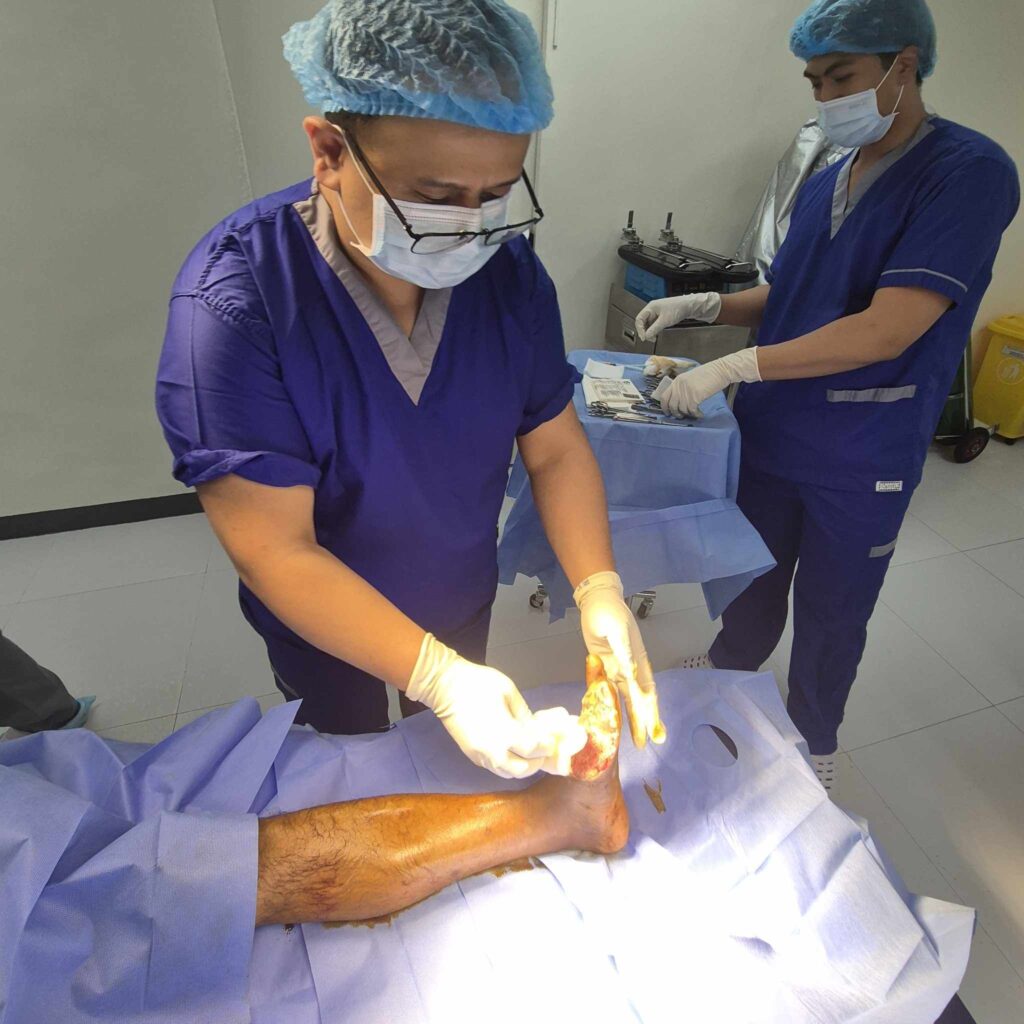
Several wound debridement methods are practiced across hospitals and wound care clinics in the Philippines. The choice of method depends on wound severity, patient condition, and clinical goals. Surgical debridement is commonly used for severe or infected wounds and is performed by trained medical professionals. Mechanical debridement involves physical removal techniques and is often used in controlled settings. Autolytic debridement allows the body’s natural processes to break down dead tissue with the help of specialized dressings. Enzymatic debridement uses topical agents that target necrotic tissue without harming healthy skin. Biological debridement is less common but may be used under strict medical supervision.
Medical Conditions That Commonly Require Wound Debridement
Many medical conditions require wound debridement Philippines as part of comprehensive treatment. Diabetic foot ulcers are one of the most common reasons patients seek debridement services. Pressure ulcers frequently develop in elderly or bedridden individuals who experience prolonged pressure on the skin. Venous leg ulcers and arterial wounds often heal slowly due to poor circulation. Traumatic injuries from accidents can result in tissue damage that requires debridement to prevent infection. Post surgical wounds may also require debridement when healing is delayed. Infected wounds caused by untreated cuts or burns often need immediate medical attention. Early intervention significantly improves recovery outcomes.
How Wound Debridement Supports Faster and Safer Healing
Wound debridement Philippines helps create a clean wound environment that promotes healing. Removing necrotic tissue reduces bacterial growth and minimizes infection risk. Debridement also allows medications and dressings to work more effectively. Healthy tissue regeneration improves once barriers to healing are removed. Patients often experience reduced inflammation and improved wound appearance. Proper debridement can prevent complications such as sepsis or limb loss. It also helps shorten overall recovery time when combined with proper wound care.
Wound Debridement Practices in Philippine Healthcare Settings
Healthcare facilities across the Philippines offer wound debridement services at varying levels of specialization. Urban hospitals often have dedicated wound care units with trained specialists. Provincial clinics may provide basic debridement under medical supervision. Nurses play a crucial role in wound assessment and ongoing care. Home based wound care services are becoming more accessible for patients with mobility challenges. Public hospitals provide essential services, although wait times may be longer. Private facilities often offer more advanced options and faster access. Patient education remains a key part of effective wound management.
Cost Considerations for Wound Debridement in the Philippines
The cost of wound debridement Philippines depends on several factors. Procedure type, wound severity, and treatment setting all influence pricing. Hospital based surgical debridement is generally more expensive than outpatient care. Additional costs may include dressings, medications, and follow up visits. PhilHealth coverage may apply depending on the diagnosis and facility. Early treatment often reduces long term medical expenses. Investing in proper wound care can prevent costly complications later.
Safety, Pain Management, and Patient Comfort
Patient comfort is a major priority during wound debridement Philippines procedures. Pain levels vary depending on the method used and the condition of the wound. Local anesthesia or pain medication may be administered when necessary. Medical providers follow strict infection control measures to ensure patient safety. Proper wound cleansing reduces the risk of complications. After the procedure, patients receive guidance on wound care and monitoring. Effective pain management improves patient cooperation and healing outcomes.
Choosing the Right Healthcare Provider for Wound Debridement in the Philippines
Selecting the right provider for wound debridement Philippines is essential for successful recovery. Patients should seek licensed healthcare professionals with wound care experience. Specialized training in chronic wound management is an important qualification. Communication between patient and provider builds trust and understanding. Follow up care ensures wounds continue healing properly. Coordinated treatment plans often involve doctors, nurses, and caregivers. Asking informed questions helps patients feel confident in their care decisions.
Advances in Wound Care and Debridement Techniques in the Philippines
Modern wound care practices are evolving across the Philippines. Advanced dressings and therapies are increasingly available in major hospitals. Medical professionals receive ongoing training in evidence based wound management. Technology supports better wound assessment and documentation. Awareness campaigns help educate patients on early treatment importance. Research continues to improve healing outcomes for chronic wounds. These advancements strengthen overall wound care standards nationwide.
Key Benefits of Timely Wound Debridement
Timely wound debridement Philippines offers numerous health advantages. These benefits extend beyond physical healing and impact quality of life.
• Reduced infection risk
• Faster wound closure
• Improved mobility and comfort
• Lower chance of complications
• Better long term health outcomes
Early treatment supports safer recovery and minimizes unnecessary suffering.
Frequently Asked Questions About Wound Debridement Philippines
What is wound debridement and why is it needed
Wound debridement removes unhealthy tissue that prevents healing. It helps reduce infection risk and supports tissue regeneration. Many wounds cannot heal properly without this process.
Is wound debridement painful
Discomfort varies depending on the method used. Pain management options are available to ensure patient comfort. Healthcare providers assess pain levels before treatment.
How often does a wound need debridement
Frequency depends on wound type and healing progress. Some wounds require multiple sessions. Medical professionals determine the appropriate schedule.
Can wound debridement be done at home
Certain minor procedures may be done under professional guidance. Complex or infected wounds require clinical care. Safety is the primary concern.
How long does healing take after debridement
Healing time varies based on overall health and wound severity. Proper aftercare speeds recovery. Consistent follow up improves results.
Takeaway
Wound debridement Philippines plays a vital role in effective wound management and long term health. Early treatment reduces risks and supports faster healing. Understanding available options empowers patients and caregivers to make informed decisions. Access to trained professionals improves recovery outcomes. With proper care and guidance, wounds can heal safely and efficiently.