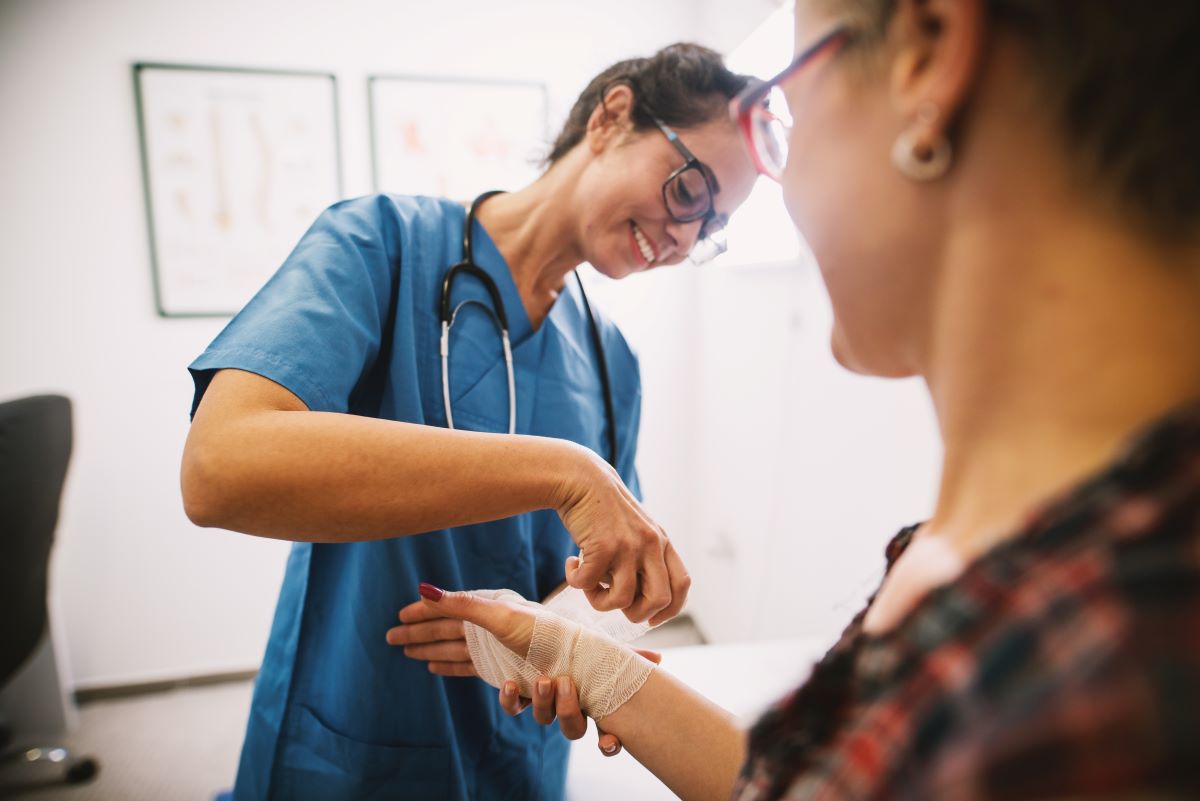
A wound care nurse plays a crucial role in healthcare by providing specialized care to patients with various types of wounds. They are responsible for assessing, treating, and monitoring wounds to promote optimal healing and prevent complications. These professionals work with patients of all ages, from those recovering from surgery to individuals managing chronic conditions like diabetes or pressure ulcers. A wound care nurse collaborates closely with physicians, physical therapists, and other healthcare staff to develop comprehensive care plans. Their work goes beyond dressing changes—they educate patients and families on proper wound care, hygiene, and strategies to prevent infection. By understanding each patient’s unique needs, wound care nurses significantly impact recovery outcomes. They are often found in hospitals, outpatient clinics, long-term care facilities, and home healthcare settings, providing both technical expertise and compassionate support.
Essential Skills and Qualifications for Wound Care Nurses
Becoming a wound care nurse requires a solid educational foundation and a strong commitment to patient care. Most professionals start with a registered nursing (RN) license and gain hands-on experience in general nursing before specializing. Advanced certifications, such as the Wound, Ostomy, and Continence Nursing (WOCN) certification, are highly valued in this field. Essential skills include clinical assessment, infection control, wound documentation, and patient education. A wound care nurse must also be adept at using various dressings, medical devices, and emerging wound care technologies. Strong communication and empathy are vital when interacting with patients who may experience pain, discomfort, or emotional stress due to chronic wounds. Continuous professional development ensures that these nurses stay updated on the latest treatment techniques, research findings, and best practices in wound management. Experience in different medical areas enhances their ability to handle complex cases efficiently.
Types of Wounds and Specialized Treatments
Wound care nurses handle a wide range of wounds, each requiring specialized treatment strategies. Chronic wounds such as pressure ulcers, diabetic foot ulcers, and venous ulcers often need long-term management. Acute wounds, including surgical incisions, burns, and traumatic injuries, require prompt intervention to prevent complications. Wound care nurses perform careful assessments to determine the most effective treatment plan for each patient. Modern wound care treatments include:
- Negative pressure wound therapy
- Advanced wound dressings
- Bioengineered skin substitutes
- Pain management techniques for patient comfort
- Infection control and hygiene protocols
- Nutritional interventions to promote healing
- Patient education for self-care and prevention
Collaboration with other healthcare specialists, such as dietitians, physical therapists, and physicians, ensures comprehensive care. This multidisciplinary approach helps maximize healing outcomes while minimizing risks of recurrence or complications.
Impact of Wound Care Nursing on Patient Outcomes
The expertise of a wound care nurse has a direct and measurable effect on patient recovery. Proper wound management reduces healing time and prevents infections, complications, and hospital readmissions. Patients experience improved quality of life, greater mobility, and less pain when treated by a skilled wound care nurse. Education provided by these nurses equips patients with knowledge to care for their wounds at home, preventing re-injury or deterioration. Emotional support is also a key aspect of care, as patients dealing with chronic or severe wounds often face stress and anxiety. Wound care nurses contribute to community health by promoting awareness of wound prevention and proper hygiene practices. By tracking healing progress and using evidence-based practices, they help improve both short-term and long-term patient outcomes.
Challenges Faced by Wound Care Nurses
Despite the rewarding nature of the job, wound care nurses encounter several challenges. Managing non-healing or complex wounds can be physically and emotionally demanding. Many patients have multiple health conditions, which complicates treatment planning. High-pressure environments, such as hospitals or emergency settings, require quick decision-making and prioritization. Staying up-to-date with rapidly evolving wound care technologies and treatment methods is a constant necessity. Administrative responsibilities, including detailed documentation and insurance coordination, add to their workload. Emotional resilience is critical, as nurses often work with patients facing long-term recovery or significant pain. Balancing technical care with compassionate patient interaction is essential for effective wound management.
Career Growth and Opportunities in Wound Care Nursing
Wound care nursing offers diverse opportunities for specialization and career advancement. Nurses can pursue advanced certifications, take on leadership roles, or transition into research and education positions. Telemedicine and home healthcare are expanding career options, allowing nurses to provide specialized care remotely. Networking through professional associations supports growth, mentorship, and access to the latest research. Salary trends indicate competitive compensation for those with specialized skills and certifications. The field also offers personal fulfillment, as nurses witness tangible improvements in patient health and quality of life. With continuous learning and adaptability, a wound care nurse can carve a dynamic and rewarding professional path.
Frequently Asked Questions
Q1: What certifications are required to become a wound care nurse?
Wound care nurses typically need a registered nursing license and may pursue specialized certifications like the Wound, Ostomy, and Continence Nursing (WOCN) certification.
Q2: Can wound care nurses work in home healthcare settings?
Yes, many wound care nurses provide care in patients’ homes, offering assessments, treatments, and education to promote healing outside the hospital.
Q3: What types of wounds are most challenging to treat?
Chronic wounds, such as diabetic foot ulcers or pressure ulcers, can be particularly difficult due to underlying health conditions and risk of infection.
Q4: How does a wound care nurse collaborate with other healthcare professionals?
They work with physicians, dietitians, physical therapists, and other specialists to develop comprehensive care plans tailored to each patient’s needs.
Q5: Are there opportunities for career advancement in wound care nursing?
Absolutely. Nurses can pursue advanced certifications, research roles, leadership positions, or specialize in areas like pediatrics or geriatric wound care.
Q6: How do wound care nurses stay updated with new treatments?
Through continuing education, professional associations, workshops, online courses, and clinical research.
Q7: What is the typical patient-to-nurse ratio in wound care settings?
Ratios vary by setting, but wound care nurses often manage multiple patients while balancing individualized treatment plans and administrative duties.
Takeaway
Wound care nurses play a vital role in healthcare, combining clinical expertise, empathy, and patient education to improve healing outcomes. Their specialized skills reduce complications, shorten recovery times, and enhance patients’ quality of life. The field offers diverse career opportunities, professional growth, and personal fulfillment. By addressing both physical and emotional needs, wound care nurses ensure patients receive comprehensive care, making them an indispensable part of the healthcare system.