Burn injuries require careful attention to avoid complications, with infection being one of the most serious risks. Proper wound management plays a vital role in healing, and using specialized Dressings for Burns Wound Care can make a significant difference. Choosing the right dressing not only protects the wound but also actively helps prevent bacterial growth, ensuring faster and safer recovery. For individuals seeking professional burn care solutions, Kalingap Wound Care Clinic stands out as a trusted provider of expert wound management services.
Understanding Burn Wounds and Infection Risks
Burn wounds vary in severity, ranging from first-degree burns that affect only the outer skin layer to third-degree burns that penetrate deeper tissue. Each type presents unique challenges, but all burn wounds share a heightened risk of infection due to the loss of the skin’s natural barrier. Bacteria such as Staphylococcus aureus and Pseudomonas aeruginosa commonly infect burns, potentially causing delayed healing, scarring, or more severe systemic issues. Effective wound care, including the use of Dressings for Burns Wound Care, is essential to minimize these risks and promote optimal recovery.
What Are Burn Wound Dressings?
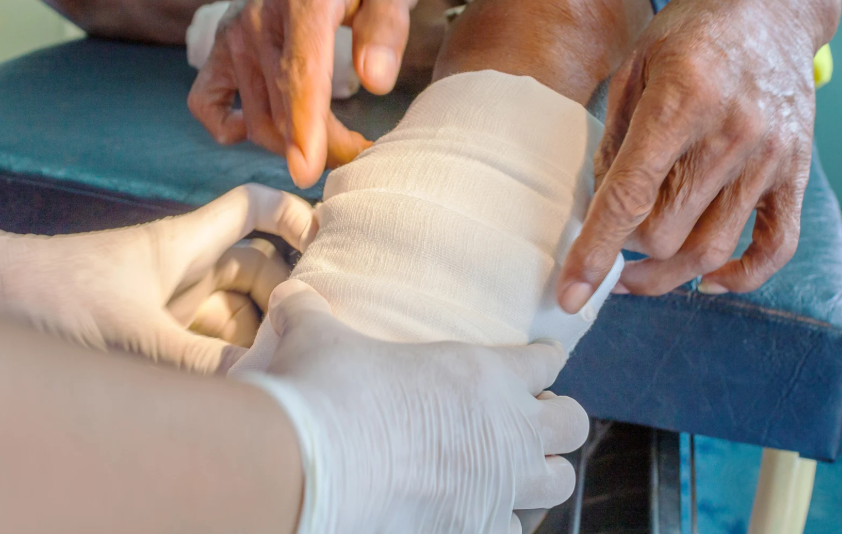
Dressings for Burns Wound Care are specialized materials designed to protect burn injuries while supporting the body’s natural healing process. Unlike standard dressings, these products focus on maintaining a sterile environment, controlling moisture levels, and providing antimicrobial protection when needed. By covering the wound appropriately, burn dressings help prevent contamination, reduce pain during dressing changes, and accelerate tissue repair. At Kalingap Wound Care Clinic, patients receive guidance on the most suitable dressing types for their burn severity and wound location.
How Dressings for Burns Wound Care Prevent Infection
Creating a Protective Barrier
One of the primary ways Dressings for Burns Wound Care prevent infection is by acting as a barrier between the wound and external contaminants. Exposing a burn to dirt, dust, or unclean surfaces increases the likelihood of bacterial invasion. Quality dressings ensure the wound remains shielded while allowing the skin to breathe, reducing the chance of infection.
Maintaining Optimal Moisture Levels
Moist wound healing has been shown to lower infection risk compared to letting wounds dry out. Burn dressings create an environment that retains enough moisture for tissue regeneration while preventing excess fluid accumulation, which could attract bacteria. By maintaining this delicate balance, Dressings for Burns Wound Care significantly enhance the body’s natural defenses.
Antimicrobial Properties in Burn Dressings
Many modern burn dressings include antimicrobial agents such as silver or iodine. These elements actively combat bacterial growth, making infection far less likely. When applied correctly, antimicrobial Dressings for Burns Wound Care provide continuous protection against harmful microorganisms while supporting healing. Kalingap Wound Care Clinic specializes in selecting the most effective antimicrobial dressings tailored to each patient’s needs.
Reducing Trauma During Dressing Changes
Frequent dressing changes can damage delicate burn tissue if the wrong material is used. Non-adherent dressings prevent the wound from sticking, minimizing pain and tissue disruption. Less trauma during dressing changes lowers the chance of secondary infection and encourages faster recovery, making the right burn dressing indispensable.
Types of Dressings Used in Burns Wound Care
There are several types of Dressings for Burns Wound Care, each suited to specific burn conditions:
- Hydrocolloid Dressings: Provide moisture balance and protect against bacteria.
- Foam Dressings: Absorb excess exudate while maintaining a moist environment.
- Silver-Based Dressings: Offer strong antimicrobial protection for infected or high-risk wounds.
- Alginate Dressings: Ideal for wounds with significant drainage, supporting healing while preventing contamination.
- Gauze Dressings: Often used as secondary dressings, they provide basic protection but lack advanced antimicrobial benefits.
Choosing the correct type requires assessment of the burn’s severity, exudate level, and infection risk, all of which can be expertly managed at Kalingap Wound Care Clinic.
Choosing the Right Dressing for Burn Wound Care
Selecting the proper Dressings for Burns Wound Care depends on several factors. The severity and depth of the burn, location on the body, and presence of infection all influence the best dressing choice. Antimicrobial dressings are recommended for high-risk or already infected burns, while non-adherent or foam dressings are suitable for less severe wounds. Professional guidance from a clinic like Kalingap Wound Care Clinic ensures the selected dressing supports healing, prevents infection, and minimizes discomfort.
Best Practices for Preventing Infection in Burn Wounds
Proper burn wound care extends beyond choosing the right dressing. Key steps include thoroughly cleaning the wound before applying a dressing, changing dressings as recommended by healthcare professionals, and monitoring for signs of infection such as redness, swelling, or pus. Patients should seek immediate medical attention if these symptoms occur. Following these practices alongside the use of high-quality Dressings for Burns Wound Care significantly reduces infection risk and promotes faster recovery.
Common Myths About Burn Dressings and Infection
Many people believe burns should be left open to air or that all dressings are the same. Both myths are incorrect and can increase infection risk. Exposed burns dry out, delaying healing, while improper dressings can stick to tissue, causing additional trauma. Using specialized Dressings for Burns Wound Care from trusted providers like Kalingap Wound Care Clinic ensures wounds are managed safely and effectively.
Takeaway
Effective burn management relies heavily on proper wound care, and Dressings for Burns Wound Care play a central role in preventing infection. From creating protective barriers to maintaining moisture and providing antimicrobial protection, these dressings support safe and efficient healing. Choosing the right dressing and following expert guidance from a clinic such as Kalingap Wound Care Clinic ensures burns heal quickly, comfortably, and without complications.
FAQ
Q1: How often should burn dressings be changed?
Burn dressings should generally be changed according to the healthcare provider’s instructions, typically every 24 to 72 hours depending on wound severity and exudate levels.
Q2: Can burn dressings prevent all infections?
While Dressings for Burns Wound Care greatly reduce infection risk, they cannot eliminate it entirely. Proper wound hygiene and monitoring are essential for full protection.
Q3: Are antimicrobial burn dressings suitable for all types of burns?
Antimicrobial dressings are most effective for high-risk or infected burns. Mild burns may not require antimicrobial properties but still benefit from protective and moisture-balancing dressings.
Q4: Why choose Kalingap Wound Care Clinic for burn care?
Kalingap Wound Care Clinic offers expert guidance, high-quality dressings, and personalized care plans. Their team ensures the right dressing is selected for each burn, minimizing infection risk and supporting faster healing.
Q5: Can burn dressings be applied at home?
Some minor burns can be managed at home, but professional assessment is recommended for moderate to severe burns. Kalingap Wound Care Clinic provides both in-clinic treatment and guidance for safe home care.