
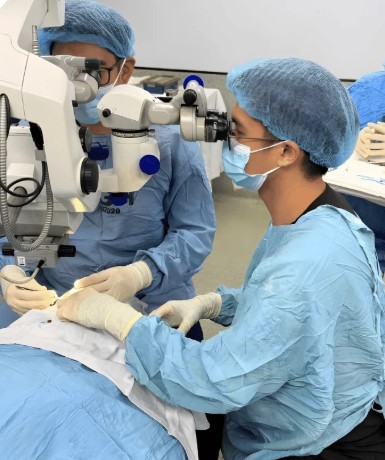
Cataract Treatment begins with understanding what cataracts are and how they affect vision. A cataract is a cloudy or yellowed area in the eye’s natural lens that causes blurred vision, difficulty seeing in low light, and glare from lights. This common eye condition is one of the leading causes of preventable blindness, yet it can be effectively treated with modern medical advancements.
Cataracts develop gradually, often due to aging. The lens in the eye naturally becomes less flexible, less transparent, and thicker over time. Certain factors can accelerate cataract formation, including uncontrolled diabetes, eye injuries, prolonged exposure to sunlight, and genetic predisposition. Understanding these risk factors allows patients to take preventive measures while preparing for effective Cataract Treatment.
Symptoms of cataracts include blurred or cloudy vision, faded colors, halos around lights, difficulty reading or driving, and frequent changes in eyeglass prescriptions. These visual disturbances significantly impact daily life, making early detection and timely Cataract Treatment crucial to maintain independence and quality of life.
Causes and Risk Factors
Cataract Treatment is most effective when the underlying causes are addressed. Age is the most common factor, with most people experiencing some degree of lens clouding after 60. Diabetes increases the risk of cataract formation, as elevated blood sugar can damage the lens proteins and accelerate clouding. Eye injuries, whether from trauma or surgery, can also lead to cataracts, sometimes developing years after the incident.
Prolonged exposure to ultraviolet (UV) light without eye protection contributes to lens damage, while smoking, excessive alcohol consumption, and certain medications may also increase risk. Genetics play a role in some cases, where individuals inherit a predisposition to early cataract formation. Understanding these factors is essential for planning timely Cataract Treatment and maintaining long-term eye health.
Cataract Screening and Diagnosis
Early diagnosis is a cornerstone of effective Cataract Treatment. Routine eye exams allow ophthalmologists to detect cataracts before they significantly affect vision. At Peregrine Eye and Laser Institute, comprehensive cataract screening involves advanced diagnostic tools that evaluate the lens, cornea, retina, and overall eye health.
During the screening, patients undergo visual acuity tests, slit-lamp examinations, and retinal evaluations. These tests help determine the severity of the cataract, assess any coexisting eye conditions, and guide decisions for the appropriate intraocular lens (IOL) selection. Personalized evaluation ensures that Cataract Treatment aligns with each patient’s vision goals, lifestyle, and specific ocular needs.
Early detection not only improves outcomes but also helps reduce risks during surgery. Patients can discuss their options, understand the procedure, and choose the most suitable IOL, whether monofocal, multifocal, or toric, to achieve the best possible vision after Cataract Treatment.
Modern Cataract Treatment Options
Modern Cataract Treatment primarily involves surgical removal of the cloudy lens, replaced with a clear artificial lens. The most common method is phacoemulsification, a minimally invasive procedure that uses ultrasound waves to break up the cloudy lens, which is then gently removed and replaced with an IOL. Laser-assisted cataract surgery is also available, offering greater precision for incision placement and lens correction.
Cataract surgery at Peregrine Eye and Laser Institute is fast, with most procedures completed in as little as 15 minutes. The use of state-of-the-art equipment ensures safety, precision, and minimal discomfort. Most patients report only mild discomfort during the procedure, challenging the misconception that cataract surgery is painful or prolonged.
The choice of intraocular lens is integral to successful Cataract Treatment. Monofocal lenses provide clear vision at a single distance, while multifocal lenses allow patients to see at multiple distances without glasses. Toric lenses correct astigmatism, improving overall visual clarity. Experienced ophthalmologists guide patients through the selection process, ensuring the chosen lens meets lifestyle needs and visual expectations.
Post-surgery care is essential for optimal recovery. Patients are provided with protective eyewear, antibiotic and anti-inflammatory eye drops, and detailed instructions to prevent infection and promote healing. Recovery is generally quick, with many patients resuming normal activities within a few days.
Why Choose Peregrine Eye and Laser Institute
Peregrine Eye and Laser Institute offers comprehensive Cataract Treatment backed by internationally trained ophthalmologists and cutting-edge technology. The institute has facilities in Makati, Manila, and Quezon City, providing convenient access to advanced eye care services for patients across Metro Manila.
The medical team at Peregrine Eye and Laser Institute brings decades of clinical and surgical experience, trained at prestigious institutions such as Harvard Medical School, Johns Hopkins University, University of California, Los Angeles, California Pacific Medical Center, University of Wisconsin–Madison, and the Singapore National Eye Centre. This combination of expertise ensures that even complex cases are handled with precision and care.
State-of-the-art diagnostic and surgical equipment enhances the effectiveness and safety of Cataract Treatment. The institute’s modern operating theaters, advanced IT systems, and patient-friendly clinic design provide a comfortable and welcoming environment. Staff undergo continuous training to improve both technical and interpersonal skills, ensuring patients receive exceptional care at every stage of treatment.
Personalized care is a hallmark of Peregrine Eye and Laser Institute. Doctors take time to explain each patient’s condition, treatment options, and expected outcomes, empowering individuals to make informed decisions about their Cataract Treatment. Compassionate service combined with scientific expertise creates a patient experience that exceeds expectations.
Preventive Tips for Eye Health
Although Cataract Treatment can restore vision effectively, maintaining eye health is essential to prevent future complications. Regular eye exams, a diet rich in antioxidants and vitamins, proper UV protection with sunglasses, and controlling blood sugar levels are key preventive measures. Avoiding smoking and excessive alcohol consumption also supports long-term ocular health.
Lifestyle changes such as staying hydrated, reducing screen time, and practicing eye exercises can further protect vision. These habits, combined with routine medical care, help delay the onset of cataracts and support overall eye wellness.
Takeaway
Cataract Treatment at Peregrine Eye and Laser Institute combines advanced technology, international expertise, and compassionate care to restore vision and improve quality of life. Early screening, personalized surgical options, and careful post-operative care ensure the best outcomes. By choosing PELI, patients gain access to world-class eye care that prioritizes both safety and comfort. Book your consultation today to take the first step toward clearer vision.
FAQs About Cataract Treatment
How long does cataract surgery take?
Most Cataract Treatment procedures at Peregrine Eye and Laser Institute are completed in as fast as 15 minutes. The total visit may take longer due to pre- and post-operative care.
Is cataract surgery painful?
Cataract Treatment is minimally invasive, and patients typically experience only mild discomfort. Local anesthesia and advanced surgical techniques ensure a comfortable procedure.
Can cataracts return after surgery?
Once the cloudy lens is replaced with an intraocular lens, cataracts do not return. In some cases, posterior capsule opacification may occur, which can be treated with a quick, painless laser procedure.
When should I get screened for cataracts?
Routine eye exams are recommended, especially for individuals over 50, those with diabetes, or those experiencing vision changes. Early detection ensures timely and effective Cataract Treatment.
What types of lenses are used in Cataract Treatment?
Options include monofocal, multifocal, and toric lenses. Your ophthalmologist will help determine the best choice based on your vision needs and lifestyle.
How soon can I resume normal activities after surgery?
Most patients return to daily activities within a few days, though strenuous activity should be avoided initially. Your doctor will provide a personalized recovery plan.