
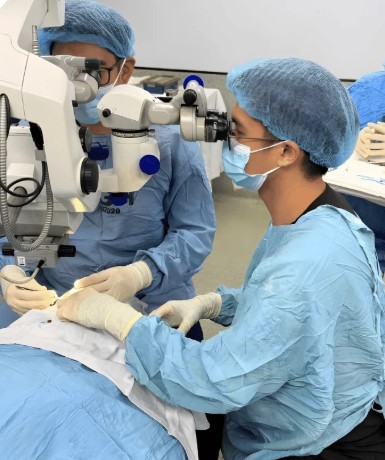
Your eyes are one of the most vital organs of your body, and maintaining their health is crucial for overall well-being. A Comprehensive Eye Check-Up provides more than just vision correction; it is a thorough assessment of your eye health, allowing for early detection of potential problems. Whether you are a child, adult, or senior, routine eye examinations play a significant role in preserving clear vision and preventing long-term complications. At Peregrine Eye & Laser Institute, patients receive expert care backed by advanced technology and decades of ophthalmological experience.
A Comprehensive Eye Check-Up goes beyond simple vision tests. It evaluates your eyes for signs of disease, checks visual acuity, and ensures that your eyes are functioning properly. Regular eye exams are an essential part of preventive healthcare, offering a chance to detect issues before they become serious.
What Is a Comprehensive Eye Check-Up?
A Comprehensive Eye Check-Up is a detailed examination that evaluates multiple aspects of eye health. Unlike basic vision screenings, which only measure your ability to see letters on a chart, this examination assesses the structure, function, and overall health of your eyes. The process includes checking your refractive error, determining whether you need corrective lenses, and screening for common eye diseases.
Patients at Peregrine Eye & Laser Institute benefit from a thorough evaluation that may include retinal imaging, intraocular pressure measurement, and other advanced diagnostic procedures. The goal is not only to correct vision but also to detect conditions such as cataracts, glaucoma, diabetic retinopathy, and age-related macular degeneration early on, when treatment is most effective.
A Comprehensive Eye Check-Up ensures that your eyes are healthy and reduces the risk of vision loss. It is especially critical for individuals with underlying medical conditions like diabetes or high blood pressure, which can affect eye health.
Why Regular Eye Exams Matter
Regular Comprehensive Eye Check-Up appointments are important because many eye conditions develop slowly and without obvious symptoms. Early detection can prevent permanent damage and improve treatment outcomes. Conditions like glaucoma and diabetic retinopathy often show minimal early signs, but a detailed examination can identify changes before vision is affected.
For children, a Comprehensive Eye Check-Up is vital for detecting issues such as lazy eye or problems with visual development. Adults can benefit from monitoring gradual changes in vision and addressing refractive errors before they worsen. Seniors are at increased risk for cataracts and age-related macular degeneration, making routine examinations essential for maintaining independence and quality of life.
Regular eye exams also provide an opportunity to discuss lifestyle factors that may impact eye health, including screen time, diet, and protective measures. By keeping track of changes over time, ophthalmologists and optometrists can provide personalized guidance to maintain optimal eye function.
What to Expect During Your Comprehensive Eye Check-Up
During a Comprehensive Eye Check-Up, patients can expect a detailed, step-by-step evaluation. The examination typically includes several key components:
Refraction Test: This part determines whether you need corrective lenses and measures the precise prescription for glasses or contact lenses.
Intraocular Pressure Measurement: High eye pressure can be an early sign of glaucoma, a condition that can lead to permanent vision loss if untreated.
Retinal and Optic Nerve Assessment: Using advanced imaging technology, ophthalmologists examine the retina and optic nerve for signs of disease or damage.
Screening for Eye Diseases: Comprehensive tests identify cataracts, diabetic retinopathy, macular degeneration, and other conditions that could affect vision.
At Peregrine Eye & Laser Institute, patients experience a comfortable and efficient process. The clinics are designed for ease and convenience, and staff members are trained to provide support throughout the examination. Modern ophthalmic equipment ensures accurate results while minimizing discomfort.
Who Should Get a Comprehensive Eye Check-Up?
A Comprehensive Eye Check-Up is recommended for people of all ages. Children should have their eyes examined regularly to identify visual development issues early. Early detection of lazy eye or other childhood conditions can improve learning and coordination.
Adults benefit from periodic exams to monitor vision changes and detect diseases that develop with age or due to lifestyle factors. Those with diabetes, high blood pressure, or a family history of eye disease should schedule exams more frequently.
Seniors are particularly vulnerable to conditions such as cataracts and age-related macular degeneration. Regular examinations help maintain independence and prevent vision loss. Athletes, workers exposed to eye hazards, or individuals who spend long hours in front of screens can also gain valuable insight from routine eye exams.
Why Choose Peregrine Eye & Laser Institute
Choosing a provider for a Comprehensive Eye Check-Up is as important as the exam itself. Peregrine Eye & Laser Institute offers unmatched expertise and personalized care. The institute employs ophthalmologists and optometrists trained in world-renowned institutions, including Harvard Medical School, Johns Hopkins University, UCLA, and Singapore National Eye Center.
Patients benefit from advanced diagnostic equipment and state-of-the-art surgical facilities. The clinic combines scientific precision with compassionate service, ensuring that every patient receives accurate results and clear guidance. Staff members are regularly trained to enhance technical and customer care skills, making the experience smooth and welcoming.
Whether you are addressing a minor vision issue or monitoring a complex condition, Peregrine Eye & Laser Institute provides expert care in a comfortable environment.
Tips for Maintaining Healthy Eyes Between Check-Ups
Even after a Comprehensive Eye Check-Up, daily habits can help protect your vision. Limiting screen time and taking breaks reduces eye strain. Maintaining a balanced diet rich in vitamins A, C, and E, along with omega-3 fatty acids, supports eye health. Wearing protective eyewear during sports or work minimizes the risk of injury.
Monitoring changes in vision, such as blurriness, double vision, or eye pain, ensures that potential issues are addressed promptly. Combining healthy habits with regular examinations maximizes the long-term benefits of a Comprehensive Eye Check-Up.
Takeaway
A Comprehensive Eye Check-Up is a crucial investment in your health and quality of life. It offers early detection of eye diseases, accurate assessment of vision, and personalized guidance from experienced professionals. Peregrine Eye & Laser Institute provides advanced technology, highly trained staff, and patient-centered care, making it the ideal choice for routine eye health monitoring. Scheduling regular examinations ensures your vision remains clear and your eyes remain healthy for years to come.
FAQ: Comprehensive Eye Check-Up
How often should I get a Comprehensive Eye Check-Up?
Most adults should have an eye examination every one to two years. Children, seniors, and individuals with risk factors such as diabetes may require more frequent visits.
What is the difference between a regular eye test and a Comprehensive Eye Check-Up?
A regular eye test typically measures vision and refractive errors. A Comprehensive Eye Check-Up evaluates eye health, screens for diseases, and includes detailed imaging and diagnostic tests.
Does a Comprehensive Eye Check-Up hurt?
No. Modern techniques and equipment make the examination comfortable. Some tests involve brief puff-of-air or eye drops, which may cause minor temporary discomfort.
Can a Comprehensive Eye Check-Up detect early signs of eye disease?
Yes. Conditions like glaucoma, diabetic retinopathy, cataracts, and macular degeneration can often be detected before symptoms appear, allowing for timely intervention.
Do I need a prescription for a Comprehensive Eye Check-Up?
No prescription is required. Anyone can schedule an appointment to assess vision and eye health.
What should I bring to my appointment?
Bring any current eyewear, a list of medications, and your medical history to provide a complete overview to the ophthalmologist.