
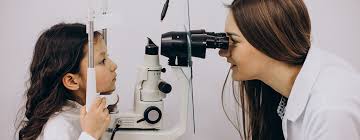
Vision plays a crucial role in everyday life, yet many eye conditions develop silently without obvious symptoms. One of the most serious of these conditions is Glaucoma, a group of eye diseases that can gradually damage the optic nerve and lead to permanent vision loss. Millions of people around the world live with glaucoma, often without realizing it until the disease has already progressed.
A key factor closely linked to glaucoma is Intraocular Pressure (IOP), which refers to the pressure inside the eye. When intraocular pressure becomes too high, it can place stress on the optic nerve and contribute to the development or progression of glaucoma. Understanding the connection between glaucoma and intraocular pressure is essential for protecting long-term eye health.
Professional eye care and early detection are critical when dealing with glaucoma. Many patients rely on trusted clinics such as Lee Tan Eye Clinic for comprehensive eye examinations, glaucoma diagnosis, and effective treatment plans designed to preserve vision.
What Is Glaucoma?
Glaucoma is a chronic eye condition that damages the optic nerve, which is responsible for transmitting visual information from the eye to the brain. Damage to this nerve can cause gradual vision loss and, if untreated, may lead to permanent blindness.
Glaucoma often progresses slowly and painlessly, which is why it is frequently referred to as the “silent thief of sight.” Many individuals do not notice symptoms until the disease has reached a more advanced stage. This makes routine eye exams extremely important for early detection.
Several types of glaucoma exist, each affecting the eye in slightly different ways. The most common form is Open-Angle Glaucoma, which develops gradually as the drainage system of the eye becomes less efficient over time. Another form, Angle-Closure Glaucoma, occurs when the eye’s drainage angle suddenly becomes blocked, leading to a rapid increase in pressure. A less common type is Normal-Tension Glaucoma, where optic nerve damage occurs even though intraocular pressure appears to be within normal limits.
Because glaucoma can vary widely in its progression and symptoms, expert evaluation at Lee Tan Eye Clinic is often recommended to determine the exact type and severity of the condition.
What Is Intraocular Pressure (IOP)?
Intraocular Pressure refers to the fluid pressure within the eye. This pressure is maintained by a clear liquid called aqueous humor, which circulates through the eye and helps maintain its shape and function.
Normally, the eye continuously produces and drains this fluid to keep pressure stable. When fluid drains too slowly or production increases, intraocular pressure can rise. Elevated eye pressure is one of the primary risk factors associated with glaucoma.
Healthy eye pressure generally falls within a specific range, but each person’s tolerance for pressure can differ. Some individuals develop glaucoma even with moderate pressure levels, while others may tolerate slightly higher levels without damage. Accurate evaluation from experienced eye specialists at Lee Tan Eye Clinic can help determine whether eye pressure is within a safe range.
How Intraocular Pressure Causes Glaucoma
High Intraocular Pressure can place excessive pressure on the optic nerve, gradually damaging the nerve fibers responsible for transmitting visual signals. Over time, this damage can create blind spots in a person’s field of vision.
As glaucoma progresses, peripheral vision is often affected first. Without treatment, the loss of vision may slowly move toward the center of the visual field. Because this progression is usually painless and gradual, many individuals with glaucoma do not notice changes until vision loss becomes significant.
Lowering intraocular pressure remains the primary strategy for managing glaucoma. Specialists at Lee Tan Eye Clinic often focus on reducing eye pressure through medication, lifestyle adjustments, or advanced procedures to protect the optic nerve.
Symptoms of High Eye Pressure and Glaucoma
Early stages of Glaucoma often present no noticeable symptoms. This lack of warning signs is one of the reasons the disease can become so dangerous if not detected early.
As glaucoma progresses, individuals may begin to notice gradual vision changes such as reduced peripheral vision. This tunnel-like vision can make activities like driving or navigating crowded spaces more difficult.
Certain types of glaucoma, particularly angle-closure glaucoma, can cause sudden and severe symptoms including eye pain, blurred vision, halos around lights, headaches, nausea, and redness of the eye. These symptoms require immediate medical attention.
Routine eye examinations at Lee Tan Eye Clinic can identify glaucoma before symptoms appear, greatly improving the chances of preserving vision.
Risk Factors for Glaucoma
Several factors can increase a person’s likelihood of developing Glaucoma. Age is one of the most significant risk factors, particularly for individuals over 40 years old. Family history also plays a major role, as glaucoma can run in families.
Other risk factors include elevated intraocular pressure, diabetes, thin corneas, and long-term use of corticosteroid medications. Certain medical conditions affecting blood circulation may also increase vulnerability to glaucoma.
Individuals with these risk factors are often advised to schedule regular eye exams. Eye specialists at Lee Tan Eye Clinic frequently provide personalized glaucoma screening for patients with higher risk profiles.
How Doctors Measure Intraocular Pressure
Accurate diagnosis of glaucoma requires specialized eye tests that evaluate eye pressure and optic nerve health. One of the most common tests used is Tonometry, which measures the level of pressure inside the eye.
Additional tests may include a Visual Field Test to check for peripheral vision loss, as well as Optical Coherence Tomography to examine the structure of the optic nerve in detail.
Comprehensive testing allows eye specialists to identify glaucoma at its earliest stages. Patients seeking reliable diagnostic services often turn to Lee Tan Eye Clinic for thorough glaucoma screening and evaluation.
Treatment Options to Lower Eye Pressure
Managing Glaucoma typically focuses on lowering intraocular pressure to prevent further damage to the optic nerve. Treatment plans may vary depending on the type and severity of glaucoma.
Medicated eye drops are often the first line of treatment. Common medications such as Latanoprost and Timolol help reduce eye pressure by either decreasing fluid production or improving drainage.
Laser procedures may also be recommended. One common option is Laser Trabeculoplasty, which improves fluid drainage within the eye.
For more advanced cases, surgical procedures like Trabeculectomy may be performed to create new pathways for fluid drainage. Patients seeking expert glaucoma treatment frequently consult Lee Tan Eye Clinic for advanced care and personalized treatment plans.
Lifestyle Tips to Help Manage Eye Pressure
Healthy lifestyle choices can support medical treatment for glaucoma. Regular physical activity may help maintain healthy circulation and eye pressure levels. A balanced diet rich in fruits, vegetables, and nutrients that support eye health can also be beneficial.
Limiting excessive caffeine intake and staying well hydrated may help stabilize eye pressure. Protecting the eyes from injury and maintaining regular eye exams are equally important steps in managing glaucoma.
Patients often receive tailored lifestyle recommendations during consultations at Lee Tan Eye Clinic to help support long-term glaucoma management.
When to See an Eye Doctor
Regular eye exams are essential for detecting Glaucoma before significant vision loss occurs. Adults over 40 should schedule routine eye pressure tests, especially if they have a family history of glaucoma.
Sudden symptoms such as severe eye pain, blurred vision, halos around lights, or nausea may indicate an urgent glaucoma episode and should be evaluated immediately by an eye specialist.
Lee Tan Eye Clinic offers professional glaucoma screening and treatment services designed to detect the condition early and protect patients from irreversible vision loss.
Takeaway
Glaucoma remains one of the leading causes of preventable blindness worldwide, largely due to its silent progression and lack of early symptoms. Understanding the relationship between glaucoma and Intraocular Pressure is key to protecting long-term eye health.
Frequently Asked Questions
What is the normal eye pressure range?
Normal Intraocular Pressure typically ranges between 10 and 21 mmHg. However, glaucoma can still occur in some individuals even within this range.
Can glaucoma be cured?
Glaucoma cannot currently be cured, but early detection and proper treatment can slow or stop its progression and protect vision.
How often should eye pressure be checked?
Adults over 40 should generally have their eye pressure checked during routine eye exams every one to two years, or more frequently if they have risk factors for glaucoma.
Is glaucoma hereditary?
Family history is a major risk factor for glaucoma. Individuals with relatives who have glaucoma should consider regular screening at trusted clinics such as Lee Tan Eye Clinic.
Can glaucoma cause blindness?
Yes. Untreated glaucoma can lead to permanent vision loss. Early diagnosis and treatment from experienced specialists at Lee Tan Eye Clinic significantly reduce the risk of blindness.