
Nearsightedness, or myopia, affects millions of people around the world. Many individuals rely on glasses or contact lenses daily, which can be inconvenient and limiting. For those seeking a long-term solution, Phakic IOL offers an effective way to correct nearsightedness without removing the eye’s natural lens. Unlike laser eye surgery, which reshapes the cornea, Phakic IOL involves implanting a small, specially designed lens inside the eye to improve vision permanently.
Phakic IOL has been recognized globally as a safe and reliable procedure for patients with moderate to severe myopia. Patients who are not ideal candidates for LASIK or other laser-based treatments often benefit from Phakic IOL. The procedure is minimally invasive, provides rapid visual recovery, and allows patients to experience clearer vision almost immediately after surgery.
Peregrine Eye and Laser Institute (PELI), a leading eye care provider in Metro Manila, has extensive experience performing Phakic IOL procedures. With world-class ophthalmologists and state-of-the-art facilities, PELI ensures that patients receive personalized care tailored to their specific needs.
What is Phakic IOL?
Phakic IOL stands for phakic intraocular lens, a type of lens implanted into the eye to correct refractive errors like myopia. Unlike cataract surgery, which removes the eye’s natural lens, Phakic IOL preserves the natural lens while improving the eye’s focusing ability. When an intraocular lens is implanted after the natural lens has been removed, it is called a pseudophakic IOL.
The Phakic IOL is made of high-quality materials such as medical-grade plastic or silicone. It is carefully inserted through a small incision in the front of the eye and positioned either in front of or behind the iris, depending on the patient’s needs and eye structure. Once in place, the Phakic IOL works with the natural lens to correct refractive errors that cause blurry or out-of-focus vision.
Patients benefit from Phakic IOL because it addresses nearsightedness directly while leaving the natural lens untouched, reducing the risk of complications associated with removing the eye’s lens. The procedure provides a long-term vision correction option and can significantly reduce dependence on glasses or contact lenses.
Who Can Benefit from Phakic IOL?
Phakic IOL is suitable for a wide range of patients, especially those with moderate to high myopia. Individuals who have thin corneas, dry eyes, or other conditions that make laser eye surgery less effective often find Phakic IOL to be an ideal alternative.
The procedure is generally recommended for patients aged 21 to 45 whose vision has stabilized. It is important that candidates have healthy eyes free from other conditions such as cataracts, glaucoma, or severe retinal problems. Patients with stable myopia and a desire for long-term vision correction are the best candidates for Phakic IOL.
Phakic IOL can also be considered for patients who have already tried glasses or contact lenses but are seeking a more permanent solution. Unlike LASIK or PRK, Phakic IOL does not involve reshaping the cornea, making it an option for patients with certain corneal limitations.
The Procedure
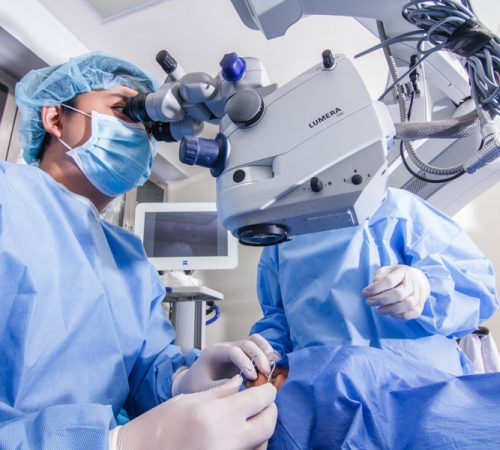
Phakic IOL implantation is a precise surgical procedure performed by experienced ophthalmologists. The procedure begins with a small incision made in the front of the eye. The Phakic IOL is then carefully inserted and positioned either in front of or behind the iris, depending on the patient’s eye anatomy.
The procedure is performed under local anesthesia, allowing patients to remain awake but comfortable throughout the surgery. Most patients notice improved vision immediately, although full stabilization may take a few weeks. Recovery is typically quick, and patients can return to their normal activities within a short period.
Follow-up appointments are essential to ensure the lens is positioned correctly and that the eye is healing properly. PELI emphasizes careful monitoring and provides clear post-operative instructions to maximize the benefits of Phakic IOL.
Benefits of Phakic IOL
Phakic IOL offers several advantages over other vision correction options. First, it provides long-term correction for nearsightedness, reducing or eliminating the need for glasses and contact lenses.
Second, Phakic IOL preserves the natural lens of the eye, maintaining the eye’s natural focusing ability and reducing the risk of complications associated with lens removal. Third, the procedure is reversible, meaning that if necessary, the lens can be removed or replaced.
Patients often experience rapid visual recovery, allowing them to resume normal daily activities within days. Phakic IOL also provides sharper and clearer vision for patients with higher degrees of myopia, which can sometimes be difficult to correct fully with laser surgery.
Because Phakic IOL is designed to work with the eye’s natural lens, it can provide excellent vision quality even for patients with complex refractive errors. This makes it a preferred choice for patients who are not ideal candidates for traditional laser treatments.
Why Choose Peregrine Eye and Laser Institute
Peregrine Eye and Laser Institute (PELI) is a trusted provider of Phakic IOL procedures in Metro Manila. Founded in 2013 by Mr. Jimmy Tan, Dr. Harvey Uy, and Dr. Pik Sha Chan Uy, PELI has a mission to reduce preventable blindness and provide world-class eye care.
PELI’s team of ophthalmologists has trained at globally recognized institutions such as Harvard Medical School, Johns Hopkins University, UCLA, California Pacific Medical Center, University of Wisconsin, and the Singapore National Eye Center. Their decades of clinical and surgical experience ensure patients receive the highest level of care.
PELI’s facilities in Makati, Manila, and Quezon City are equipped with modern operating theaters and advanced ophthalmic equipment. Every aspect of patient care is designed for comfort, safety, and efficiency. Staff undergo regular training to maintain high standards of service, while IT systems and scheduling processes are optimized to minimize wait times and improve the patient experience.
Choosing PELI for a Phakic IOL procedure means accessing a team of experts who provide personalized consultations, clear explanations of options, and professional guidance tailored to each patient’s vision needs.
Takeaway
Phakic IOL provides a safe, effective, and long-term solution for nearsightedness. By preserving the natural lens and offering rapid visual recovery, it gives patients a reliable alternative to glasses, contact lenses, or laser surgery. Choosing a trusted provider like Peregrine Eye and Laser Institute ensures access to experienced ophthalmologists, advanced technology, and personalized care tailored to each patient’s vision needs. With Phakic IOL, clearer vision and improved quality of life are within reach.
Frequently Asked Questions (FAQ)
Is Phakic IOL safe?
Yes, Phakic IOL is considered a safe and effective procedure for correcting nearsightedness. It preserves the natural lens and has a low risk of complications when performed by experienced ophthalmologists.
How long does the Phakic IOL procedure take?
The surgical procedure typically takes 15 to 30 minutes per eye. Patients can often return home the same day.
When will I notice improved vision?
Most patients notice clearer vision immediately or within a few days. Full visual stabilization may take a few weeks.
Can Phakic IOL be removed or replaced?
Yes, Phakic IOL is reversible. The lens can be removed or replaced if necessary, providing flexibility for future vision needs.
How is Phakic IOL different from LASIK?
Phakic IOL does not reshape the cornea, making it suitable for patients with thin corneas or high myopia who may not be candidates for LASIK.
What is the recovery process like?
Recovery is generally quick. Most patients can resume normal activities within a few days, although follow-up visits are required to monitor healing.
Is Phakic IOL suitable for everyone?
Phakic IOL is ideal for patients aged 21 to 45 with stable myopia and healthy eyes. Those with cataracts, glaucoma, or severe retinal issues may require alternative treatments.
How much does Phakic IOL cost in the Philippines?
Costs vary depending on the patient’s needs and lens type. PELI provides personalized consultations to give accurate estimates.
Where can I get Phakic IOL in Metro Manila?
Peregrine Eye and Laser Institute offers Phakic IOL procedures at their facilities in Makati, Manila, and Quezon City.