
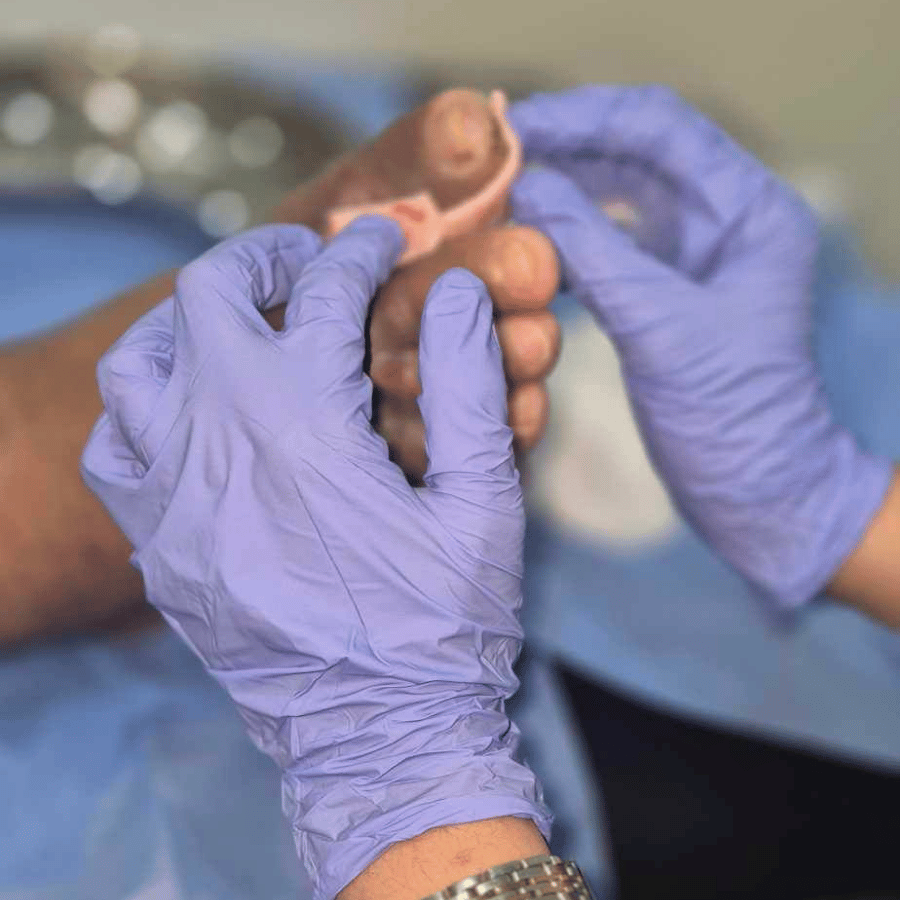
Diabetic foot ulcers are one of the most common complications of diabetes and can significantly affect quality of life if left untreated. These ulcers are open sores that typically develop on the feet due to poor circulation, nerve damage, and high blood sugar levels. Effective management is crucial to prevent infections, avoid serious complications, and promote complete healing. Diabetic foot ulcers treatment focuses on professional wound care, infection control, and patient education. Patients in Quezon City can access expert care at KALINGAP WOUND CARE CLINIC, a facility dedicated to helping diabetic patients recover safely and maintain long-term foot health. Early intervention and proper care can reduce the risk of severe outcomes, including amputation, making timely treatment essential for anyone with diabetes.
Understanding Diabetic Foot Ulcers
Diabetic foot ulcers develop when minor injuries or pressure points on the feet fail to heal properly due to diabetes-related complications. Nerve damage, known as neuropathy, can prevent patients from feeling pain, allowing small cuts or blisters to worsen unnoticed. Poor circulation limits the delivery of oxygen and nutrients necessary for tissue repair, further delaying healing. Common signs of diabetic foot ulcers include redness, swelling, persistent drainage, foul odor, or discoloration of the skin surrounding the wound. Individuals with a history of uncontrolled blood sugar, previous foot ulcers, or neuropathy are at higher risk of developing these ulcers. Understanding the causes and warning signs of diabetic foot ulcers is the first step toward effective treatment and prevention.
Who Should Seek Treatment
Anyone with diabetes who notices slow-healing wounds on their feet should consider professional care for diabetic foot ulcers. Chronic ulcers, recurring sores, or wounds that show signs of infection require immediate attention. Patients experiencing swelling, redness, pain, drainage, or numbness in the foot are also strong candidates for professional management. Those with a history of neuropathy or reduced sensation in the feet need proactive care to prevent complications. Seeking timely diabetic foot ulcers treatment can prevent minor injuries from becoming severe infections that may require hospitalization or surgical intervention. Early evaluation and intervention help protect foot function and overall health.
Treatment Approach at KALINGAP WOUND CARE CLINIC
Comprehensive Assessment
Treatment begins with a thorough examination of the foot ulcer. The medical team assesses the size, depth, and location of the wound, as well as circulation, nerve function, and overall patient health. This comprehensive assessment ensures a personalized treatment plan that addresses the specific needs of each patient.
Wound Cleaning and Debridement
Proper wound cleaning and debridement are essential components of effective diabetic foot ulcers treatment. Dead, infected, or damaged tissue is carefully removed to reduce bacterial growth and promote healing. Cleaning the wound regularly prevents infection and supports the regeneration of healthy tissue.
Specialized Dressings and Offloading
Protective dressings play a critical role in maintaining a clean environment for the ulcer and reducing pressure on affected areas. Offloading techniques, including specialized footwear or assistive devices, relieve stress on the wound and prevent further injury. These measures help accelerate healing and reduce the risk of recurrence.
Infection Management
Preventing and managing infections is a top priority in diabetic foot ulcers treatment. Regular monitoring allows early detection of bacterial growth, and targeted antibiotic therapy may be prescribed when necessary. Effective infection control minimizes complications and promotes faster recovery.
Patient Guidance and Education
Education is a crucial part of care at KALINGAP WOUND CARE CLINIC. Patients receive guidance on proper foot hygiene, daily inspections, appropriate footwear, and blood sugar management. Understanding how to protect the feet reduces the risk of new ulcers and supports long-term health.
Benefits of Professional Diabetic Foot Ulcers Treatment
Receiving professional care for diabetic foot ulcers offers numerous advantages. Expert management ensures proper wound healing and reduces the likelihood of infection or complications. Pressure relief strategies, combined with protective dressings, protect vulnerable areas and allow tissue regeneration. Improved circulation and the use of advanced healing techniques speed recovery and enhance patient comfort. Patients also benefit from education and follow-up support, empowering them to maintain foot health, prevent recurrence, and manage diabetes effectively. Choosing professional diabetic foot ulcers treatment improves both short-term recovery and long-term quality of life.
Preventive Strategies
Preventing diabetic foot ulcers is an essential component of comprehensive care. Daily foot hygiene, including washing and thoroughly drying feet, helps prevent bacterial growth. Wearing properly fitted footwear reduces pressure points that can lead to ulcers. Blood sugar monitoring and management are critical for maintaining healthy tissue and promoting healing. Regular foot inspections allow early detection of minor wounds or changes in the skin, which can be treated promptly to prevent severe complications. Combining these preventive strategies with professional guidance ensures the best outcomes for patients with diabetes.
Why Choose KALINGAP WOUND CARE CLINIC
KALINGAP WOUND CARE CLINIC is a trusted provider of diabetic foot ulcers treatment in Quezon City. The clinic offers a patient-centered approach focused on comfort, accessibility, and long-term outcomes. The medical team specializes in diabetes-related wound care, employing the latest techniques and advanced technology. Affordable care options make treatment accessible without compromising quality. The clinic’s convenient location ensures that patients can receive timely care. Community outreach programs and educational initiatives further support patients, providing the tools and knowledge to maintain foot health beyond the clinic visit.
Patient Guidance and Aftercare
Effective diabetic foot ulcers treatment includes ongoing support and education. Patients learn how to inspect their feet daily for early signs of problems and maintain proper hygiene routines. Guidance on footwear helps prevent pressure points and reduces the risk of new ulcers. Blood sugar management is emphasized to support overall healing. Regular follow-up appointments allow healthcare providers to monitor progress, adjust treatment plans, and address any concerns. Emotional support and patient education create confidence in self-care, ensuring a complete and lasting recovery.
About KALINGAP WOUND CARE CLINIC
KALINGAP WOUND CARE CLINIC combines advanced medical care with compassionate, patient-focused services. The name “KALINGAP” comes from the Filipino words “Kalinga” (care) and “Lingap” (nurture), reflecting a commitment to holistic treatment. The clinic aims to bridge healthcare gaps in Quezon City through affordable care, community programs, and outreach initiatives. The team treats each patient with dignity, providing wound care, education, and emotional support. The clinic is recognized as a leading center for diabetic foot ulcer management, known for quality care, advanced techniques, and a patient-centered approach.
Takeaway
Diabetic foot ulcers can lead to severe complications if left untreated, but effective management and education make healing possible. Diabetic foot ulcers treatment at KALINGAP WOUND CARE CLINIC in Quezon City provides a structured, professional, and compassionate approach to care. From comprehensive assessment and wound cleaning to infection management, offloading, and patient education, every step focuses on healing and prevention. Patients gain not only treatment but the knowledge and tools to protect their feet long-term, reducing the risk of recurrence and improving overall quality of life. Prompt care, professional guidance, and ongoing monitoring are essential for anyone with diabetes experiencing foot ulcers.
Frequently Asked Questions (FAQ)
What is the most effective treatment for diabetic foot ulcers?
Professional care that combines wound cleaning, debridement, specialized dressings, infection management, and patient education is the most effective approach.
How long does it take for a diabetic foot ulcer to heal?
Healing time depends on the ulcer’s severity, circulation, infection control, and adherence to treatment. With professional care, many ulcers show significant improvement within weeks.
Can diabetic foot ulcers be prevented?
Yes. Daily foot hygiene, proper footwear, blood sugar management, and regular foot inspections are critical preventive measures.
When should I seek treatment for a foot ulcer?
Seek professional care immediately if you notice redness, swelling, drainage, persistent pain, or slow-healing wounds on your feet.
Is treatment at KALINGAP WOUND CARE CLINIC affordable?
Yes. The clinic offers cost-conscious care without compromising quality, ensuring that patients can access professional diabetic foot ulcer treatment in Quezon City.
Will I need surgery for a diabetic foot ulcer?
Most ulcers can be managed with proper wound care, dressings, offloading, and infection control. Surgery is only recommended for severe cases that do not respond to conservative treatment.