
Understanding Muscle Surgery
Muscle surgery in Manila has become a significant solution for patients dealing with injuries, congenital conditions, or degenerative muscle disorders. The term refers to surgical interventions aimed at repairing, reconstructing, or enhancing muscle function to restore mobility and reduce pain. Common procedures include tendon repair, which focuses on reconnecting torn tendons to allow muscles to regain strength. Muscle reconstruction is often performed for patients who have suffered severe trauma, while muscle release procedures target conditions like contractures where the muscles have become abnormally tight. Unlike general orthopedic surgery, muscle surgery requires precision due to the delicate nature of muscle fibers and their connections to bones and tendons. Surgeons consider various factors such as the extent of damage, patient age, and overall health before determining the appropriate approach. Understanding these procedures helps patients make informed decisions and sets realistic expectations for recovery and rehabilitation.
Muscle surgery is not only limited to trauma cases. Certain congenital conditions, such as clubfoot or muscular dystrophy, may require surgical intervention to improve function. Degenerative diseases like chronic tendinitis or muscle atrophy may also benefit from surgery when conservative treatments fail. The goal of muscle surgery is not just repair but also the prevention of future complications and the improvement of overall quality of life. In Manila, specialized medical centers have adopted advanced techniques such as minimally invasive surgery and robotic-assisted procedures to enhance precision and minimize recovery time. This ensures that patients can regain mobility faster and reduce post-operative discomfort. By understanding the purpose, types, and outcomes of muscle surgery, patients can confidently navigate the options available in Manila.
Why Manila is a Preferred Destination for Muscle Surgery
Manila has emerged as a trusted destination for muscle surgery due to its blend of high-quality healthcare and cost-effective medical services. The city’s hospitals are equipped with state-of-the-art medical technology and surgical facilities that meet international standards. Many surgeons in Manila are board-certified and trained in specialized muscle procedures, providing patients with expert care. Beyond technical expertise, Manila offers patient-centered services including international patient coordinators who assist with accommodations, transportation, and communication. The cost of muscle surgery in Manila is often significantly lower compared to Western countries, without compromising quality. Patients can expect world-class facilities, modern operating rooms, and access to the latest surgical techniques.
Foreign patients seeking muscle surgery in Manila also benefit from a holistic approach to care. Hospitals often provide comprehensive pre-operative consultations and personalized recovery plans. The availability of multilingual staff ensures clear communication and reduces anxiety for international patients. Additionally, Manila’s medical tourism industry has grown to include packages that cover accommodation, airport transfers, and follow-up care. Patients are able to combine effective medical treatment with a comfortable stay, making Manila an attractive choice for both local and international patients. Overall, Manila’s combination of expertise, advanced technology, affordability, and supportive services positions it as a top destination for muscle surgery.
Preparing for Muscle Surgery in Manila
Proper preparation is essential for a successful muscle surgery procedure in Manila. Patients undergo thorough pre-surgical evaluations, including blood tests, imaging studies, and physical assessments to determine overall health and suitability for surgery. Selecting the right surgeon and hospital is equally important, with consideration given to experience, credentials, and patient feedback. Foreign patients should prepare necessary medical records, such as past imaging scans and prescriptions, to facilitate seamless evaluation by Manila’s healthcare professionals. Lifestyle modifications, including a balanced diet and proper hydration, play a significant role in ensuring smooth recovery. Emotional preparation is also critical, as understanding the procedure, expected outcomes, and recovery timeline helps reduce anxiety.
Patients are advised to discuss all medications with their surgeon, including supplements and over-the-counter drugs, as some may need to be paused before surgery. Smoking and alcohol consumption should be minimized or avoided, as these can impair healing. Physical preparation, such as gentle stretching and low-impact exercises, can also enhance recovery. Hospitals in Manila may provide pre-surgery guidelines including fasting instructions, hygiene protocols, and tips for a comfortable hospital stay. Planning ahead for post-operative support, such as arranging transportation and home assistance, ensures a smoother transition from hospital to recovery. By carefully preparing for surgery, patients maximize the chances of successful outcomes and a faster return to daily activities.
The Muscle Surgery Procedure
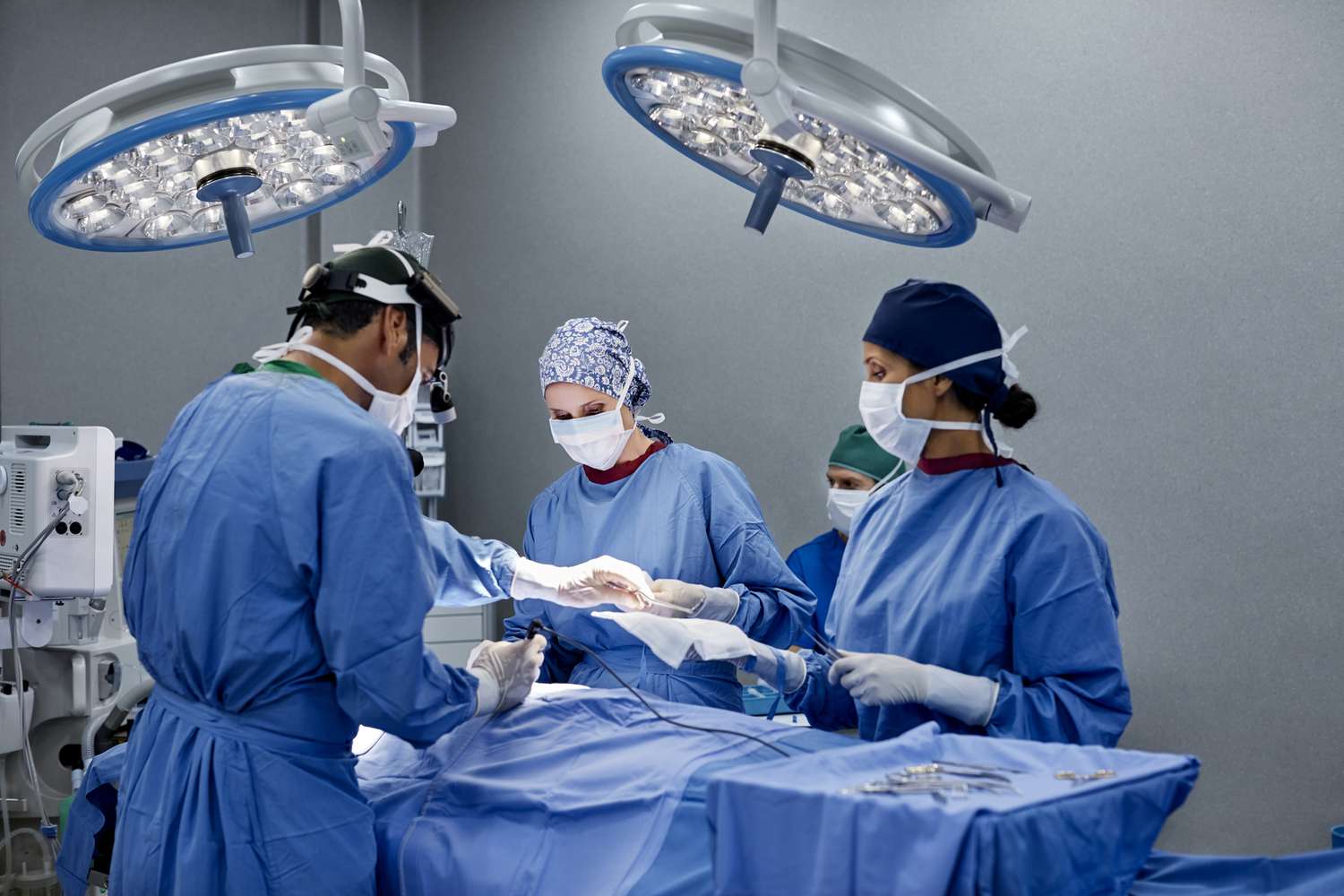
Muscle surgery in Manila is performed using advanced surgical techniques designed to optimize outcomes and minimize risk. Procedures typically begin with anesthesia administration, either general or regional, depending on the type of surgery. Surgeons then carefully repair or reconstruct the affected muscles, tendons, or ligaments using precision instruments. The duration of surgery varies, ranging from one to several hours based on complexity. Hospitals in Manila follow strict safety protocols to ensure infection prevention and patient well-being during the operation. Pain management is a priority, with tailored strategies to keep patients comfortable throughout and after the procedure.
Patients can expect detailed monitoring during surgery, including heart rate, blood pressure, and oxygen levels. Minimally invasive techniques, such as arthroscopy, are increasingly common to reduce tissue damage and accelerate recovery. Surgeons may also use advanced suturing methods or biologic grafts for better structural support. Hospital stays typically last a few days, with close observation to detect any early complications. Recovery instructions are given immediately post-surgery, including guidelines for wound care, medication, and activity restrictions. Knowing what to expect during surgery can significantly reduce anxiety and help patients actively participate in their recovery journey.
Recovery and Rehabilitation
Recovery after muscle surgery is a gradual process that requires patience and consistent effort. Post-operative care in Manila hospitals includes monitoring vital signs, managing pain, and preventing infection at the surgical site. Physical therapy is crucial to regain strength, flexibility, and mobility, often starting within days after surgery under professional supervision. Patients are encouraged to follow structured rehabilitation programs designed by physiotherapists to ensure safe and effective recovery. Proper nutrition also plays a key role in healing, with protein-rich diets, vitamins, and minerals aiding muscle repair. Patients must adhere to activity restrictions, gradually progressing from gentle movements to more strenuous exercises.
Common challenges during recovery include swelling, mild pain, and limited mobility, which typically improve with time and therapy. Warning signs such as excessive pain, fever, or unusual discharge should prompt immediate consultation with the surgical team. Rehabilitation often continues even after hospital discharge, with outpatient therapy sessions and at-home exercises. Psychological support can also aid recovery, as patients may experience frustration or anxiety during the healing process. With proper care and adherence to recovery protocols, most patients regain normal muscle function within a few months. Manila hospitals emphasize personalized recovery plans, ensuring each patient’s unique needs are addressed for optimal results.
Risks and Considerations
Like any surgical procedure, muscle surgery carries inherent risks that patients must understand before proceeding. Common risks include infection, bleeding, nerve damage, and delayed healing, although the incidence is relatively low in modern facilities. Factors influencing risk include age, overall health, type of surgery, and pre-existing conditions. Manila hospitals implement strict protocols to reduce complications, such as sterilized operating environments and pre-surgery health optimization. Patients are advised to follow all post-operative instructions carefully, including wound care, medication schedules, and activity restrictions.
Insurance coverage is another important consideration, especially for foreign patients seeking treatment in Manila. Understanding what is covered and planning financially for additional expenses ensures peace of mind. Some patients may require additional procedures or prolonged rehabilitation, which should be factored into planning. Open communication with surgeons and healthcare teams helps manage expectations and ensures a safe surgical experience. Considering risks and taking proactive measures enhances recovery outcomes and supports long-term muscle health.
Choosing the Right Hospital and Surgeon in Manila
Selecting the right hospital and surgeon is crucial for a successful muscle surgery experience in Manila. Patients should consider hospitals accredited by reputable international healthcare organizations and those with specialized orthopedic or muscle surgery departments. Questions to ask surgeons include their experience with specific procedures, recovery timelines, and complication management strategies. Certifications, training, and board membership provide additional reassurance about a surgeon’s qualifications.
Many hospitals in Manila offer international patient programs, assisting with language translation, appointment scheduling, and post-operative care coordination. Online reviews, medical forums, and recommendations from trusted sources can help identify reputable surgeons and hospitals. Ensuring clear communication, comfort, and trust with the medical team significantly contributes to positive outcomes. Choosing a hospital with comprehensive support services, from pre-surgery consultations to rehabilitation programs, ensures a seamless experience for both local and international patients.
Costs and Financial Planning
Cost is often a key factor when considering muscle surgery in Manila. The price of procedures varies depending on complexity, hospital facilities, surgeon expertise, and length of hospital stay. On average, muscle surgeries in Manila are more affordable than in Western countries, often providing substantial savings without compromising quality. Patients should also consider additional expenses such as post-operative medications, rehabilitation, and potential travel costs if coming from abroad.
Financial planning includes exploring insurance coverage, medical tourism packages, and installment options offered by hospitals. Transparent cost breakdowns help patients budget effectively and avoid unexpected expenses. Comparing affordability and quality ensures that patients make informed decisions without sacrificing care standards. Advanced planning allows patients to focus on recovery rather than financial stress. Manila’s hospitals frequently provide comprehensive packages for international patients, covering both medical and logistical needs.
Frequently Asked Questions (FAQ)
How long does muscle surgery take to heal completely?
Healing varies depending on the type of surgery and patient health, but most patients regain significant function within three to six months.
Are there non-surgical alternatives to muscle surgery?
Yes, options include physical therapy, medications, and injections, but surgery is recommended when conservative treatments fail.
Can foreigners travel to Manila for surgery safely?
Yes, Manila has reputable hospitals and international patient programs that ensure safety, clear communication, and quality care.
What are the signs of complications after surgery?
Watch for excessive swelling, fever, unusual discharge, severe pain, or limited mobility beyond expected recovery timelines.
How do I prepare for rehabilitation if I am returning to my home country?
Surgeons typically provide detailed rehabilitation plans, exercises, and follow-up consultations, ensuring continuity of care even after leaving Manila.
Key Takeaway
Muscle surgery in Manila offers a combination of skilled surgeons, advanced medical technology, affordable costs, and patient-centered care. Patients benefit from comprehensive preparation, expert surgical execution, and structured rehabilitation programs designed to restore function and improve quality of life. By understanding procedures, risks, recovery protocols, and cost considerations, individuals can make informed decisions with confidence. Manila continues to grow as a trusted destination for patients seeking reliable and effective muscle surgery solutions.