
Understanding Glaucoma: A Silent Threat to Vision
Glaucoma is a group of eye conditions that gradually damage the optic nerve, which is essential for clear vision. This damage is often linked to increased pressure inside the eye, though it can also occur even with normal eye pressure. What makes glaucoma particularly dangerous is how quietly it progresses, often without noticeable symptoms in its early stages. Many individuals only realize something is wrong when significant vision loss has already occurred. Because of this, glaucoma has earned a reputation as a silent threat that can lead to irreversible blindness if left untreated.
Different types of glaucoma exist, each with its own characteristics and risks. Open-angle glaucoma is the most common form and progresses slowly over time. Angle-closure glaucoma, on the other hand, can develop suddenly and may require immediate medical attention. There are also cases of normal-tension glaucoma, where optic nerve damage occurs despite normal eye pressure levels. Congenital glaucoma affects infants and young children, though it is much less common.
In the context of the Bicol region, awareness about glaucoma remains a growing concern. Many residents may not prioritize regular eye check-ups due to a lack of symptoms or limited access to healthcare services. However, understanding the nature of glaucoma is the first step toward prevention. Early detection plays a crucial role in preserving vision, as treatments are more effective when the condition is caught in its initial stages.
The Importance of Glaucoma Screening and Diagnosis in Bicol
Glaucoma screening and diagnosis in Bicol are essential components of maintaining long-term eye health, especially in a region where access to specialized care may vary. Screening allows eye care professionals to detect early signs of glaucoma before noticeable vision loss occurs. This is particularly important because once vision is lost due to glaucoma, it cannot be restored. Regular screening ensures that individuals can take proactive steps to protect their eyesight.
In many parts of Bicol, there are still barriers that prevent people from seeking timely eye care. These include limited awareness about glaucoma, financial constraints, and the distance to healthcare facilities. Rural communities may face additional challenges, such as fewer available specialists and diagnostic tools. Despite these obstacles, efforts are being made to improve accessibility through community health programs and outreach initiatives.
Screening not only helps in early detection but also reduces the long-term cost of treatment. Managing advanced glaucoma can be more expensive and complicated compared to addressing it in its early stages. By prioritizing glaucoma screening and diagnosis in Bicol, individuals can avoid severe complications and maintain a better quality of life. This proactive approach benefits both patients and the healthcare system as a whole.
Who Should Get Screened for Glaucoma
Certain groups of people are at a higher risk of developing glaucoma and should prioritize regular screenings. Adults over the age of 40 are particularly vulnerable, as the risk increases with age. Individuals with a family history of glaucoma are also more likely to develop the condition. Chronic illnesses such as diabetes and hypertension further elevate the risk, making regular eye exams even more important for these individuals.
Residents of Bicol who are exposed to environmental factors, such as prolonged sun exposure or limited access to proper nutrition, may also face additional risks. While glaucoma often develops without noticeable symptoms, some warning signs may include blurred vision, halos around lights, or gradual loss of peripheral vision. These symptoms should not be ignored, as they may indicate the need for immediate screening.
Eye care professionals generally recommend regular screenings based on age and risk level. Younger individuals with no risk factors may only need occasional check-ups, while those in higher-risk categories should schedule more frequent visits. By understanding who should get screened, more people in Bicol can take control of their eye health and prevent potential vision loss.
Common Methods Used in Glaucoma Screening and Diagnosis in Bicol
Eye care providers use several methods to detect and diagnose glaucoma, each offering valuable insights into the condition of the eye. A comprehensive eye examination is often the starting point, allowing doctors to assess overall eye health and identify any abnormalities. This includes reviewing the patient’s medical history and discussing any symptoms they may be experiencing.
Tonometry is a widely used test that measures intraocular pressure, which is a key indicator of glaucoma risk. Elevated pressure can signal potential damage to the optic nerve. Ophthalmoscopy allows doctors to examine the optic nerve directly, looking for signs of damage or changes in its appearance. Visual field testing is another important method, as it helps detect any loss of peripheral vision, which is often one of the earliest signs of glaucoma.
Advanced diagnostic tools, such as optical coherence tomography, provide detailed images of the optic nerve and surrounding structures. This technology allows for early detection and more accurate monitoring of disease progression. Pachymetry, which measures corneal thickness, is also used to refine the diagnosis and ensure accurate interpretation of eye pressure readings. Together, these methods form a comprehensive approach to glaucoma screening and diagnosis in Bicol.
What to Expect During a Glaucoma Screening Appointment
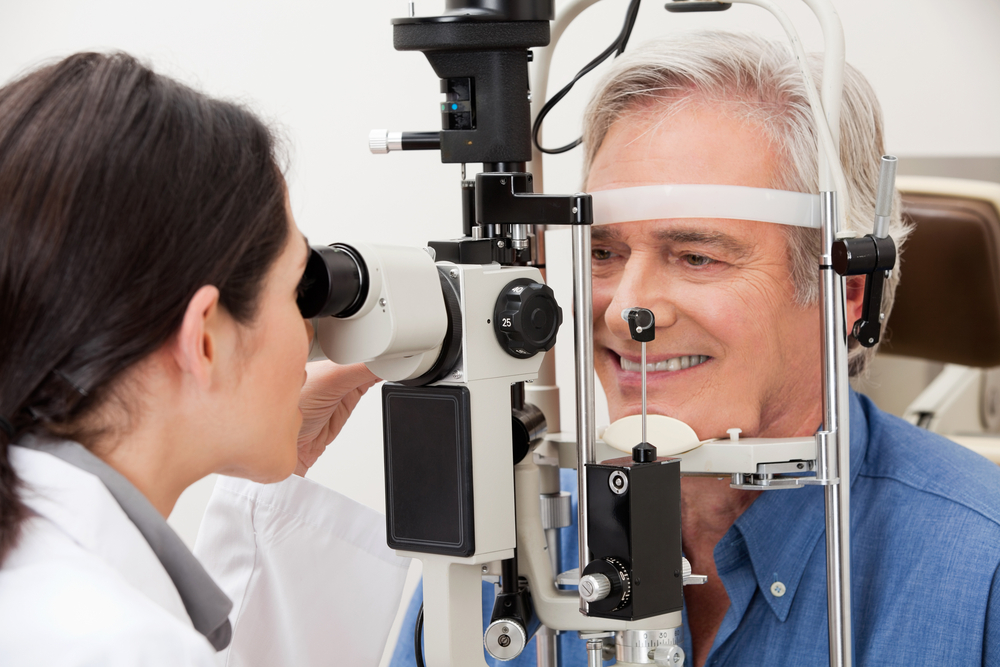
A glaucoma screening appointment is typically straightforward and non-invasive, making it accessible for individuals of all ages. Patients are usually asked about their medical history, including any existing health conditions and family history of eye diseases. This information helps the eye care professional assess the patient’s risk level and determine the appropriate tests to perform.
During the appointment, several tests may be conducted to evaluate different aspects of eye health. These tests are generally quick and painless, though some may involve brief discomfort, such as the use of eye drops. The entire process usually takes less than an hour, depending on the number of tests required. Patients are encouraged to ask questions and discuss any concerns they may have during the visit.
After the tests are completed, the doctor will explain the results and recommend the next steps. This may include scheduling follow-up appointments, starting treatment, or simply maintaining regular check-ups. Understanding what to expect during a screening can help reduce anxiety and encourage more people in Bicol to prioritize their eye health.
Availability of Glaucoma Screening Services in Bicol
Glaucoma screening services are available across various healthcare facilities in Bicol, though accessibility may vary depending on location. Urban areas tend to have more options, including private clinics and hospitals equipped with advanced diagnostic tools. Public hospitals and community health centers also provide screening services, often at a lower cost.
In rural areas, access to specialized eye care may be more limited. However, mobile eye clinics and outreach programs are helping bridge this gap by bringing services directly to underserved communities. These initiatives play a crucial role in expanding access to glaucoma screening and diagnosis in Bicol.
Local government units and non-governmental organizations are also actively involved in promoting eye health awareness. Their efforts include organizing free screening events and providing educational resources to the public. By increasing the availability of services, more individuals can benefit from early detection and timely treatment.
Challenges in Glaucoma Diagnosis in Bicol
Despite ongoing efforts to improve eye care services, several challenges still affect glaucoma diagnosis in Bicol. One of the primary issues is the limited availability of advanced diagnostic equipment in certain areas. This can make it difficult to detect glaucoma in its early stages, especially in remote communities.
Another challenge is the shortage of trained eye care professionals. With fewer specialists available, patients may experience longer wait times or need to travel significant distances for proper diagnosis. Cultural beliefs and misconceptions about eye health can also discourage individuals from seeking medical attention. Some people may assume that vision loss is a natural part of aging and may not recognize the importance of regular screenings.
Financial barriers further complicate the situation, as not all individuals can afford routine eye exams or specialized tests. Addressing these challenges requires a collaborative effort from healthcare providers, government agencies, and the community. By raising awareness and improving access to resources, it is possible to overcome these obstacles and enhance glaucoma care in Bicol.
The Role of Technology in Improving Glaucoma Diagnosis
Technology is playing an increasingly important role in improving glaucoma diagnosis and management. Advanced imaging tools allow for more precise detection of optic nerve damage, enabling earlier intervention. These technologies are gradually becoming more accessible in Bicol, particularly in larger healthcare facilities.
Telemedicine is another innovation that is helping bridge the gap between patients and specialists. Through remote consultations, individuals in remote areas can receive expert advice without the need for extensive travel. Digital health records also contribute to better patient monitoring, allowing doctors to track changes over time and adjust treatment plans accordingly.
These technological advancements are transforming the way glaucoma screening and diagnosis in Bicol are conducted. By embracing innovation, healthcare providers can offer more efficient and effective care, ultimately improving patient outcomes.
Managing Glaucoma After Diagnosis
Once glaucoma is diagnosed, ongoing management becomes essential to prevent further vision loss. Treatment options vary depending on the severity of the condition and may include prescription eye drops, laser therapy, or surgical procedures. The primary goal of treatment is to lower intraocular pressure and protect the optic nerve from further damage.
Adherence to the prescribed treatment plan is crucial for successful management. Patients must follow their doctor’s instructions carefully and attend regular follow-up appointments. Monitoring the progression of the disease allows for timely adjustments to the treatment plan, ensuring the best possible outcome.
Lifestyle changes can also support eye health and complement medical treatment. Maintaining a healthy diet, managing chronic conditions, and avoiding habits that may increase eye pressure are all important considerations. Education plays a key role in empowering patients to take an active role in their care.
Preventive Measures and Eye Health Awareness
Preventing glaucoma begins with awareness and proactive care. Regular eye check-ups are the most effective way to detect the condition early and prevent vision loss. Educating the public about the importance of eye health is essential for increasing participation in screening programs.
Healthy lifestyle choices can also contribute to better eye health. A balanced diet rich in vitamins and nutrients supports overall well-being, including vision. Managing chronic conditions such as diabetes and hypertension is equally important, as these can increase the risk of glaucoma.
Key preventive practices include:
- Scheduling routine eye examinations, especially for high-risk individuals
- Maintaining a balanced diet with eye-friendly nutrients
- Managing existing health conditions effectively
- Avoiding prolonged eye strain and ensuring proper lighting
- Staying informed about available screening services in Bicol
By adopting these measures, individuals can reduce their risk and protect their vision for years to come.
Cost of Glaucoma Screening and Diagnosis in Bicol
The cost of glaucoma screening and diagnosis in Bicol can vary depending on the type of facility and the tests required. Public healthcare facilities generally offer more affordable services, while private clinics may charge higher fees due to advanced equipment and shorter wait times. Understanding these costs can help individuals plan their healthcare expenses more effectively.
Insurance coverage and government assistance programs can significantly reduce the financial burden of screening and treatment. Some organizations also offer free or subsidized screening events, making eye care more accessible to low-income individuals. Taking advantage of these opportunities can make a significant difference in early detection.
Investing in regular screenings can save money in the long run by preventing the need for more expensive treatments. Early diagnosis allows for simpler and more cost-effective management, highlighting the importance of prioritizing eye health.
Choosing the Right Eye Care Provider in Bicol
Selecting the right eye care provider is an important step in ensuring quality care. Patients should consider factors such as the provider’s qualifications, experience, and access to diagnostic equipment. A reputable clinic will offer comprehensive services and prioritize patient comfort.
It is also helpful to read reviews and seek recommendations from trusted sources. Asking questions during the first visit can provide valuable insights into the provider’s approach to care. Building a long-term relationship with an eye care professional ensures continuity and better management of eye health.
By choosing a reliable provider, individuals can feel confident in their glaucoma screening and diagnosis in Bicol. This decision plays a crucial role in maintaining vision and overall well-being.
Frequently Asked Questions
How often should I get screened for glaucoma?
Screening frequency depends on age and risk factors, but most adults over 40 should have regular eye exams every one to two years.
Is glaucoma screening painful?
Most tests are painless, though some may involve mild discomfort such as brief eye pressure or light sensitivity.
Can glaucoma be cured if detected early?
Glaucoma cannot be cured, but early detection allows for effective management to prevent further vision loss.
Are glaucoma screenings available in rural areas of Bicol?
Yes, through outreach programs and mobile clinics, though availability may vary by location.
How long does a glaucoma screening take?
A typical screening can take between 30 minutes to an hour, depending on the tests performed.
What happens if I am diagnosed with glaucoma?
You will receive a treatment plan that may include medications, regular monitoring, and possible procedures.
Are there free or low-cost screening options in Bicol?
Yes, some government programs and organizations offer free or subsidized screenings.
Takeaway
Glaucoma screening and diagnosis in Bicol play a vital role in protecting vision and improving quality of life. Early detection remains the most effective way to prevent irreversible damage, making regular eye exams an essential part of healthcare. With growing awareness, improved access to services, and advancements in technology, more individuals can take control of their eye health. Prioritizing screening today can make a lasting difference in preserving sight for the future.