Persistent tendon pain can make even simple daily activities difficult. Tasks such as lifting objects, climbing stairs, typing, exercising, or playing sports may become painful when tendons are inflamed or damaged. Many individuals struggle with recurring discomfort for months, especially when traditional treatments only provide temporary relief. This is why more patients are exploring PRP for tendinitis as a modern, non-surgical solution for tendon injuries.
PRP for tendinitis has gained attention because it focuses on supporting the body’s natural healing response rather than simply masking symptoms. By using concentrated platelets taken from the patient’s own blood, this treatment aims to repair damaged tendon tissue and improve long-term recovery. Patients looking for trusted care often turn to Tec Orthopedics, recognized for its expertise in orthopedic treatments and regenerative therapy solutions.
What Is Tendinitis?
Tendinitis refers to the inflammation or irritation of a tendon, which is the thick tissue connecting muscles to bones. This condition commonly develops due to repetitive stress, overuse, or age-related wear and tear.
Common Causes of Tendinitis
Several factors may contribute to tendon injuries, including repetitive physical activities, sports strain, poor posture, sudden increases in activity levels, and workplace movements that place constant pressure on joints. Athletes, office workers, manual laborers, and older adults are often more vulnerable to tendon problems.
Symptoms of Tendinitis
Symptoms usually include pain, tenderness, swelling, stiffness, and weakness near the affected joint. Many people also notice discomfort worsening during movement or exercise. Chronic cases may interfere with mobility and overall quality of life.
Areas Commonly Affected by Tendinitis
PRP for tendinitis is commonly used to address injuries affecting the shoulder, elbow, knee, Achilles tendon, and wrist. Conditions such as tennis elbow, golfer’s elbow, and rotator cuff tendinitis are among the most frequently treated tendon disorders.
Understanding PRP Therapy
What Does PRP Mean?
Platelet-Rich Plasma, commonly known as PRP, is a regenerative treatment created from a patient’s own blood. Platelets contain growth factors that play an important role in tissue repair and healing.
How PRP Is Prepared
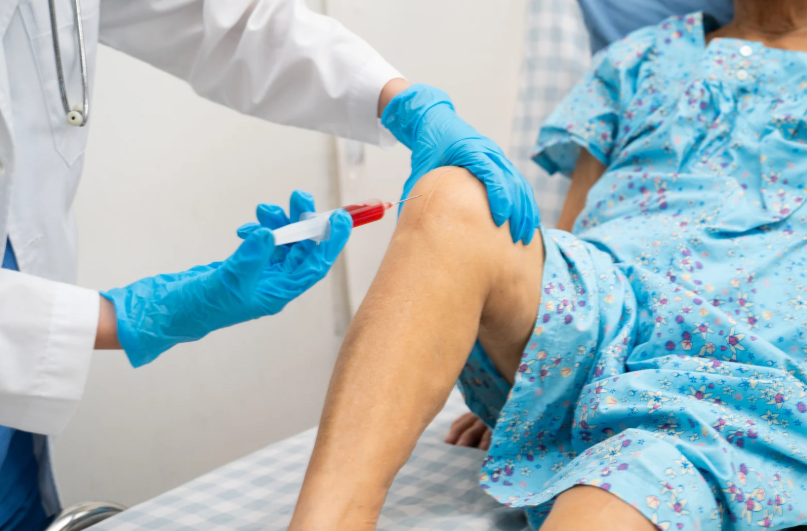
The PRP process begins with a small blood draw from the patient. The blood sample is placed into a centrifuge, which separates the platelets from other blood components. Once concentrated, the platelet-rich plasma is injected into the injured tendon area.
Why PRP for Tendinitis Is Popular
PRP for tendinitis has become increasingly popular because it is minimally invasive and does not involve major surgery. Many patients appreciate that the treatment uses natural components from their own body. Compared to long-term pain medication use or repeated steroid injections, PRP therapy offers a treatment approach focused on healing damaged tissue.
Patients seeking professional PRP therapy often choose Tec Orthopedics due to its patient-focused orthopedic care and advanced regenerative treatment methods.
How PRP for Tendinitis Repairs Damaged Tendons
Stimulates Natural Healing
One of the key benefits of PRP for tendinitis is its ability to stimulate the body’s natural healing mechanisms. Platelets release growth factors that encourage tissue regeneration and cellular repair within the damaged tendon.
Reduces Inflammation
Chronic inflammation can slow recovery and contribute to long-lasting pain. PRP for tendinitis may help reduce inflammation naturally while supporting healthier tissue repair. Unlike treatments that only numb pain temporarily, PRP therapy focuses on addressing the source of the injury.
Improves Blood Supply
Tendons generally have limited blood flow, which is one reason tendon injuries can take a long time to heal. PRP injections may improve circulation around the injured tissue, helping deliver oxygen and nutrients necessary for recovery.
Supports Collagen Production
Collagen is an essential component of healthy tendons. PRP for tendinitis encourages collagen production, helping strengthen tendon fibers and improve overall tissue structure. Stronger collagen support may reduce the likelihood of future injuries.
Conditions Commonly Treated With PRP for Tendinitis
PRP for tendinitis may help patients dealing with various tendon-related conditions, including:
Tennis Elbow
Tennis elbow causes pain on the outer part of the elbow due to repetitive strain. PRP therapy may help repair small tendon tears and reduce discomfort.
Golfer’s Elbow
Golfer’s elbow affects the inner elbow and often develops from repetitive gripping or wrist movements. PRP injections may support healing and improve flexibility.
Rotator Cuff Tendinitis
Shoulder tendon injuries can limit arm movement and cause persistent pain. PRP for tendinitis may assist with tissue recovery in the rotator cuff area.
Patellar Tendinitis
Often called jumper’s knee, this condition affects the tendon connecting the kneecap to the shinbone. PRP therapy may support tendon repair and reduce inflammation.
Achilles Tendinitis
Achilles tendon injuries are common among runners and active individuals. PRP for tendinitis may help improve tendon strength and recovery time.
What to Expect During a PRP Procedure
Initial Consultation
A detailed evaluation is performed to assess the tendon injury and determine whether PRP therapy is suitable. Specialists review the patient’s symptoms, medical history, and imaging results when necessary.
The PRP Injection Process
The procedure begins with a blood draw followed by platelet concentration preparation. The PRP is then injected into the affected tendon, often using ultrasound guidance for improved accuracy.
Recovery After PRP Treatment
Patients may experience mild soreness for a few days after treatment. Doctors usually recommend avoiding strenuous activity temporarily while the tendon heals. Recovery timelines vary depending on the severity of the condition.
Benefits of PRP for Tendinitis
PRP for tendinitis offers several advantages for patients seeking non-surgical treatment options. Benefits may include:
- Natural healing support
- Reduced reliance on pain medications
- Minimal downtime
- Improved mobility and flexibility
- Potential long-term pain relief
- Personalized treatment using the patient’s own blood
Many patients trust Tec Orthopedics for PRP therapy because of its experience in orthopedic rehabilitation and regenerative medicine.
Possible Risks and Considerations
Temporary Side Effects
Some patients may experience temporary swelling, bruising, or soreness after the injection. These effects are usually mild and short-lived.
Who May Not Be Suitable for PRP
Patients with certain blood disorders, infections, or specific medical conditions may not be ideal candidates for PRP for tendinitis. A professional medical evaluation is necessary before proceeding with treatment.
PRP Therapy vs Traditional Tendinitis Treatments
PRP vs Pain Medications
Pain medications may temporarily relieve discomfort but do not repair tendon damage. PRP for tendinitis focuses on supporting tissue healing instead of masking symptoms.
PRP vs Steroid Injections
Steroid injections may reduce inflammation quickly, but repeated use can weaken tendon tissue over time. PRP therapy aims to encourage healthier tendon recovery.
PRP vs Surgery
Surgery may be necessary for severe tendon injuries, but recovery often requires significant downtime. PRP for tendinitis provides a less invasive option for many patients with chronic tendon pain.
How to Maximize Results After PRP for Tendinitis
Patients can improve recovery outcomes by following rehabilitation exercises, avoiding overuse, maintaining healthy habits, and attending follow-up appointments. Proper aftercare plays an important role in tendon healing success.
Working with experienced orthopedic specialists such as Tec Orthopedics can also help ensure a more personalized recovery plan.
Choosing the Right Clinic for PRP for Tendinitis
Choosing a reputable clinic is important for safe and effective treatment. Patients should look for experienced orthopedic specialists, modern diagnostic tools, personalized treatment planning, and strong patient support throughout recovery.
Tec Orthopedics is widely recognized for providing advanced orthopedic care and regenerative treatments tailored to each patient’s condition and recovery goals.
Takeaway
PRP for tendinitis has become a promising option for individuals dealing with chronic tendon pain and limited mobility. By using concentrated platelets from the patient’s own blood, PRP therapy supports tissue repair, collagen production, and natural healing. Many patients choose this treatment to avoid surgery and improve long-term recovery outcomes.
Seeking early treatment for tendon injuries may help prevent worsening damage and prolonged discomfort. Patients looking for professional orthopedic care and regenerative therapy services can rely on Tec Orthopedics for expert evaluation and personalized treatment solutions.
FAQ Section
How long does PRP for tendinitis take to work?
Many patients begin noticing improvement within several weeks, although full healing may take a few months depending on the severity of the tendon injury.
Is PRP treatment painful?
Most patients experience only mild discomfort during and after the injection. Temporary soreness is common but usually improves within a few days.
How many PRP sessions are needed for tendinitis?
The number of sessions varies based on the condition and severity of the injury. Some patients improve after one session, while others may benefit from additional treatments.
Can PRP completely heal damaged tendons?
PRP for tendinitis may help stimulate healing and improve tendon strength, but results vary from person to person.
Is there downtime after PRP therapy?
Patients are usually advised to avoid strenuous activity for a short period after treatment. Most people can return to light daily activities relatively quickly.
Who is a good candidate for PRP for tendinitis?
Individuals with chronic tendon pain, sports injuries, or overuse tendon conditions may be suitable candidates after professional evaluation.
How successful is PRP for chronic tendinitis?
Success rates vary, but many patients report reduced pain and improved function after undergoing PRP therapy.
Can athletes benefit from PRP therapy?
Yes. Athletes commonly use PRP for tendinitis to support recovery, reduce downtime, and improve tendon healing after repetitive strain injuries.