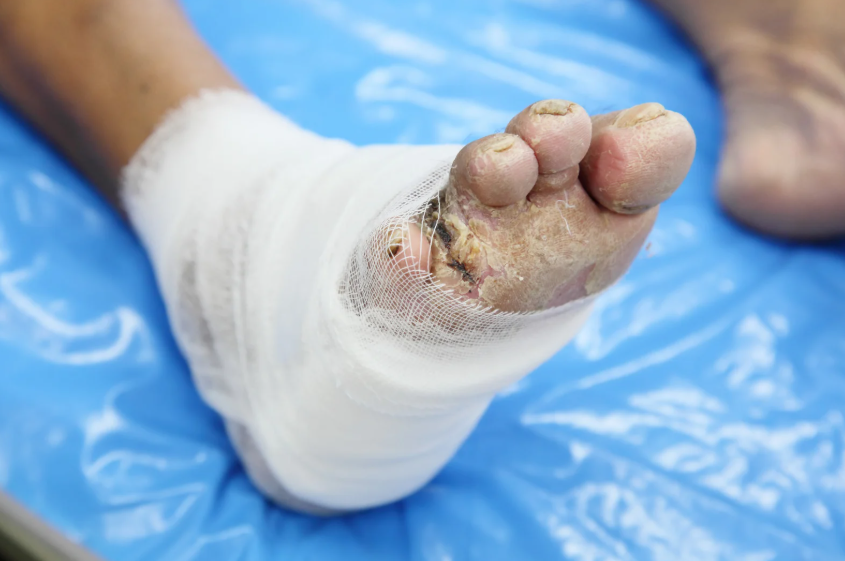
Diabetic foot treatment is essential for people living with diabetes because foot wounds can develop quickly and become serious if not managed properly. High blood sugar levels can affect circulation and nerve function, which makes the feet more vulnerable to injuries and slow healing. Even small cuts or blisters may turn into complex wounds that require professional attention.
Diabetic foot treatment at a wound clinic plays an important role in preventing complications. A dedicated facility like Kalingap Wound Care Clinic provides focused care that addresses both the wound itself and the underlying causes that slow healing. Proper attention at an early stage can help reduce the risk of infection and long-term damage.
Common Causes of Diabetic Foot Ulcers
Poor Blood Circulation
Poor blood circulation is one of the main reasons patients require diabetic foot treatment. When blood flow is limited, oxygen and nutrients do not reach the affected area efficiently. This slows down tissue repair and increases the risk of ulcers forming or worsening.
Nerve Damage (Diabetic Neuropathy)
Nerve damage caused by diabetes often leads to reduced sensation in the feet. This means minor injuries may go unnoticed. Without proper diabetic foot treatment, these small wounds can progress into deeper ulcers. Kalingap Wound Care Clinic regularly treats patients who were unaware of injuries due to neuropathy.
Infection Risks
Infections develop easily when wounds are not properly managed. A simple cut can become infected and require advanced diabetic foot treatment. Bacteria can spread quickly in open wounds, making timely intervention at a wound clinic essential for recovery.
Signs You Need Diabetic Foot Treatment
Early recognition of symptoms is important for effective diabetic foot treatment. Common warning signs include persistent sores that do not heal, swelling around the foot, redness, and unusual skin discoloration.
Other symptoms may include foul odor from a wound, numbness, tingling sensations, or increasing pain. When these signs appear, visiting Kalingap Wound Care Clinic for diabetic foot treatment can prevent complications from becoming more severe.
Why a Wound Clinic Is Essential for Diabetic Foot Treatment
Specialized Wound Assessment
A wound clinic provides detailed evaluation for diabetic foot treatment. Specialists assess wound depth, infection level, circulation condition, and overall foot health. Kalingap Wound Care Clinic uses structured assessment methods to determine the most suitable care plan for each patient.
Advanced Treatment Techniques
Diabetic foot treatment in a wound clinic often involves advanced procedures such as wound cleaning, removal of damaged tissue, and infection control. These methods support proper healing conditions and reduce complications.
Multidisciplinary Care Approach
Effective diabetic foot treatment may require collaboration between wound specialists, nurses, and other healthcare professionals. This coordinated approach ensures all aspects of the condition are addressed properly, improving recovery outcomes.
Common Diabetic Foot Treatment Options at a Wound Clinic
Wound Debridement
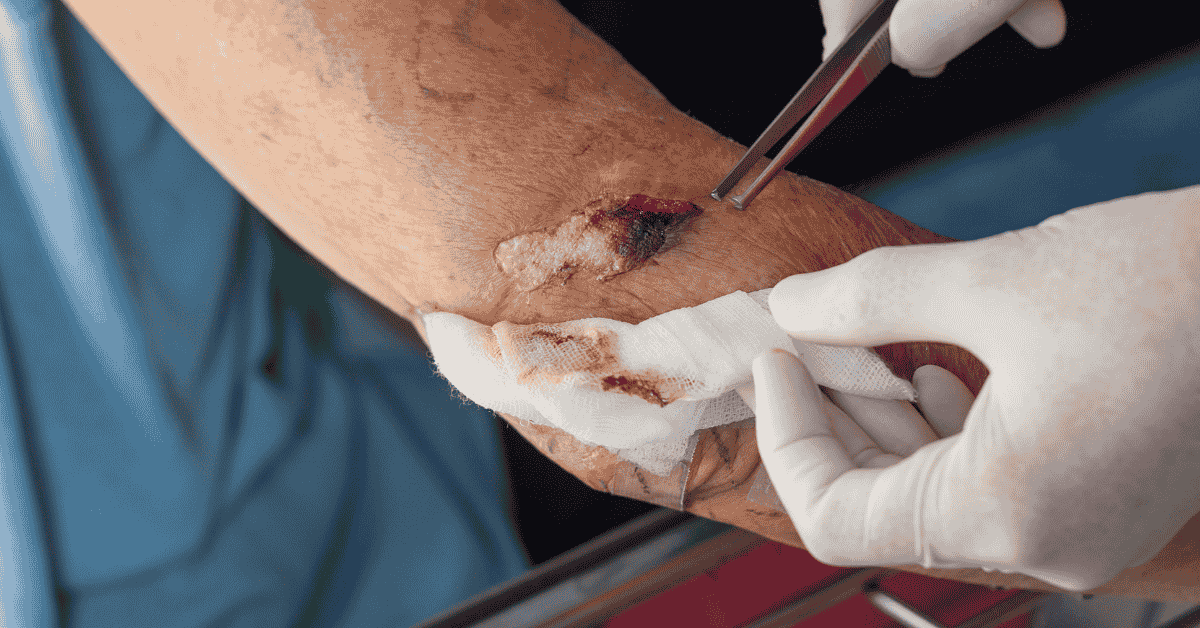
Debridement is a key part of diabetic foot treatment. It involves removing dead or infected tissue to allow healthy tissue to grow. Kalingap Wound Care Clinic performs this procedure carefully to support healing while minimizing discomfort.
Pressure Offloading
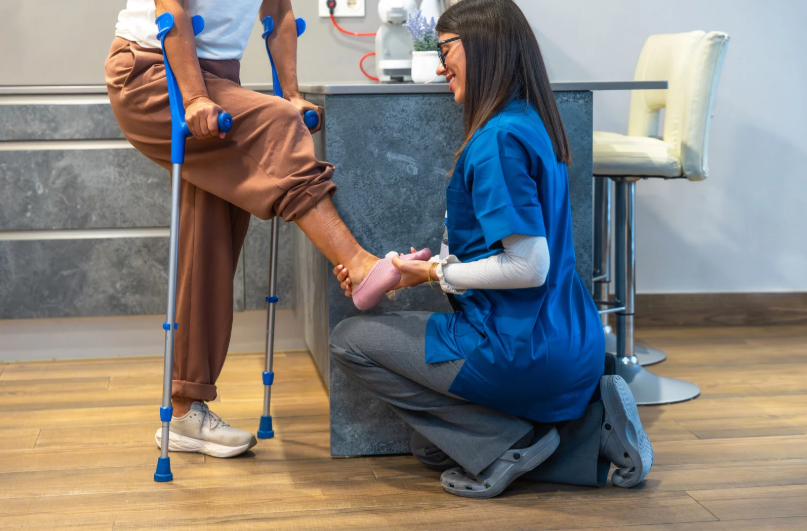
Reducing pressure on the affected foot is important in diabetic foot treatment. Special footwear or devices may be used to prevent stress on the wound area, allowing faster recovery.
Infection Management
Infection control is a major focus in diabetic foot treatment. Antibiotics, antiseptic cleaning, and regular monitoring help prevent the infection from spreading deeper into the tissue.
Advanced Wound Dressings
Modern dressings used in diabetic foot treatment help maintain moisture balance and protect the wound from external contamination. These dressings also support tissue regeneration.
Stages of Healing in Diabetic Foot Treatment
Diabetic foot treatment typically follows several stages. The first stage involves assessment and cleaning of the wound. The second stage focuses on controlling infection and preventing further damage.
The third stage supports tissue regeneration, where healthy skin begins to form. The final stage involves maintenance care to prevent recurrence. Kalingap Wound Care Clinic monitors each stage closely to ensure steady progress.
Preventing Future Diabetic Foot Complications
Preventing complications is an important part of diabetic foot treatment. Daily foot inspection helps identify early signs of injury. Proper hygiene, including cleaning and drying the feet, reduces infection risk.
Wearing proper footwear is also important to avoid pressure points and injuries. Blood sugar control plays a major role in preventing future wounds. Regular visits to Kalingap Wound Care Clinic for diabetic foot treatment can help monitor foot health and reduce risks.
Benefits of Early Diabetic Foot Treatment
Early diabetic foot treatment provides several benefits. It lowers the risk of infection and reduces the chance of severe complications. Patients often experience faster healing when treatment begins early.
Proper diabetic foot treatment also helps maintain mobility and comfort. Kalingap Wound Care Clinic focuses on early intervention to improve recovery outcomes and prevent long-term damage.
When to Visit a Wound Clinic Immediately
Immediate diabetic foot treatment is necessary when wounds do not show signs of healing after one to two weeks. Increasing redness, swelling, or pain may indicate infection.
If there is visible tissue damage or blackened skin, urgent care is needed. Loss of sensation combined with open wounds also requires prompt diabetic foot treatment at Kalingap Wound Care Clinic.
Frequently Asked Questions (FAQ)
What is diabetic foot treatment?
Diabetic foot treatment refers to medical care focused on managing and healing foot wounds caused by diabetes. It includes cleaning, infection control, and wound protection.
How long does diabetic foot treatment take at a wound clinic?
Healing time depends on the severity of the wound, infection level, and overall health condition. Some cases heal within weeks, while others require longer care.
Can diabetic foot wounds fully heal?
Yes, many diabetic foot wounds can heal completely with proper diabetic foot treatment at a wound clinic such as Kalingap Wound Care Clinic, especially when treated early.
Is diabetic foot treatment painful?
Most diabetic foot treatment procedures are managed to minimize discomfort. Specialists ensure patients are as comfortable as possible during care.
How often should I visit a wound clinic?
Visit frequency depends on the condition of the wound. Some patients require regular sessions for diabetic foot treatment, while others may need periodic monitoring.