A wound that refuses to heal can affect comfort, mobility, confidence, and everyday life. While basic wound cleaning and dressing may help some injuries, certain wounds need a more specialized approach. Wound Debridement Manila is a valuable search topic for patients and families looking for professional care for chronic, complex, or non-healing wounds.
Wound debridement is a clinical procedure that removes unhealthy, dead, or damaged tissue from a wound when appropriate. Removing this tissue may help create a healthier wound environment and allow healthcare professionals to assess the wound more clearly.
For patients around Quezon City and Metro Manila, KALINGAP Wound Care Clinic provides compassionate, patient-centered wound care supported by advanced treatment options. The clinic’s name comes from the Filipino words kalinga, meaning care, and lingap, meaning nurture. Its approach focuses not only on the wound but also on the person receiving care.
What Is Wound Debridement?
Wound debridement refers to the removal of dead, damaged, or unhealthy tissue from a wound through an appropriate clinical method. A healthcare professional first evaluates the wound before deciding whether debridement is suitable.
Unhealthy tissue may interfere with normal wound healing. It can also make it harder for clinicians to determine the wound’s true condition. Depending on the patient’s needs, wound location, tissue condition, and overall health, a qualified healthcare professional may recommend a specific debridement method.
For anyone searching for Wound Debridement Manila, understanding this distinction is important. Debridement is not simply ordinary wound cleaning. It is a specialized part of wound management that requires proper assessment, technique, and follow-up.
The goal is not simply to remove tissue. A complete wound-care plan should consider the cause of the wound, the patient’s overall health, circulation, infection risk, nutrition, mobility, and other factors that may affect healing.
Why Can Dead or Damaged Tissue Affect Wound Healing?
Healthy wound healing requires suitable conditions for new tissue development. Dead or damaged tissue may interfere with this process and can make wound assessment more difficult.
Depending on the wound, unhealthy tissue may:
- Delay progress toward healing
- Make the wound harder to evaluate
- Support bacterial growth
- Hide the true depth or condition of a wound
- Prevent healthy tissue from developing properly
- Complicate dressing and wound-management decisions
This does not mean every wound requires debridement. A qualified healthcare professional must first determine whether tissue removal is appropriate.
This careful approach is especially important for patients searching for Wound Debridement Manila because chronic wounds can have different causes and may require different treatment plans.
When Might Wound Debridement Be Recommended?
Debridement may form part of treatment for certain wounds that contain dead or damaged tissue. The decision depends on the wound and the patient’s clinical condition.
Chronic or Non-Healing Wounds
Some wounds remain open for an extended period despite routine care. These wounds may require a more detailed assessment to identify factors preventing healing.
Chronic wounds may be associated with diabetes, circulation problems, pressure, venous insufficiency, infection, or other underlying conditions. A wound-care team can evaluate these factors and determine whether debridement should form part of the treatment plan.
Patients searching for Wound Debridement Manila should consider professional assessment rather than relying solely on home wound care when a wound does not show expected progress.
Diabetic Wounds
Diabetes can make wound healing more challenging. Reduced sensation, circulation concerns, and other diabetes-related complications may increase the risk of wounds becoming difficult to heal.
A diabetic wound deserves careful monitoring, particularly when it affects the foot or lower limb. A wound-care professional can assess the tissue condition and identify whether debridement or another treatment approach may be appropriate.
Wounds With Dead or Damaged Tissue
A wound containing clearly unhealthy tissue may benefit from debridement when a clinician determines that removal is appropriate. The treatment method depends on the location, depth, amount of unhealthy tissue, patient comfort, and other clinical considerations.
Complex Wounds
Certain traumatic, pressure-related, venous, or post-surgical wounds may require specialized management. Debridement may be one component of a broader treatment strategy.
Types of Wound Debridement
Several debridement approaches may be used depending on the patient’s wound. A healthcare professional selects the appropriate method after assessment.
Sharp or Surgical Debridement
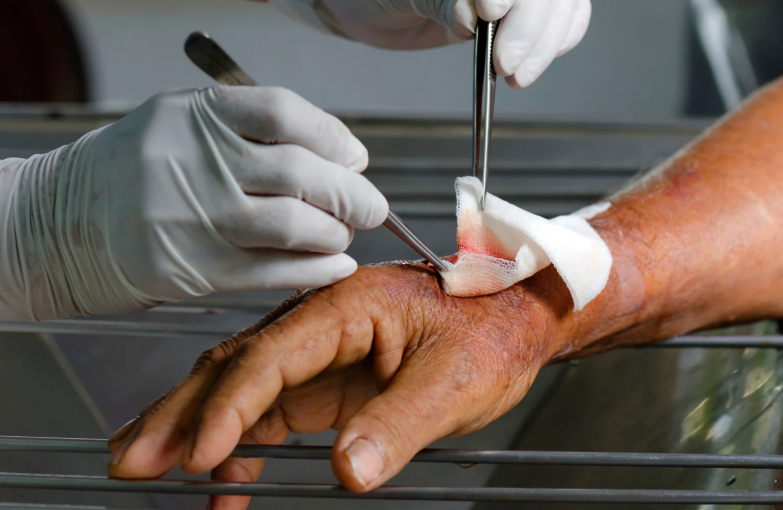
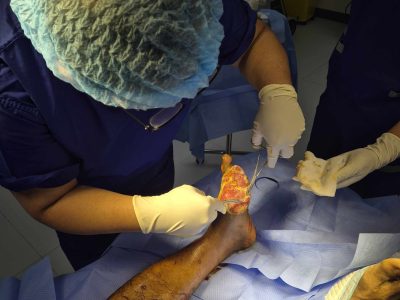
Sharp debridement involves removing unhealthy tissue with appropriate medical instruments. The extent of tissue removal depends on the wound’s condition and the clinical objective.
This method should only be performed by appropriately trained healthcare professionals. Patients should never attempt sharp debridement at home.
Mechanical Debridement
Mechanical debridement uses physical action to remove unwanted tissue. The specific approach depends on the wound and the patient’s care plan.
Professional supervision is important because excessive tissue removal can potentially damage healthy tissue.
Autolytic Debridement
Autolytic debridement supports the body’s natural processes for breaking down unhealthy tissue under suitable wound-care conditions.
This approach may not be suitable for every wound. A clinician must consider factors such as infection, drainage, wound condition, and overall patient health before recommending it.
Enzymatic Debridement
Enzymatic debridement uses specialized agents that help break down certain types of nonviable tissue. The selection and application of such treatment should follow professional medical guidance.
Ultrasonic Debridement
Ultrasonic debridement is an advanced wound-care approach that uses ultrasonic energy as part of tissue-removal treatment.
KALINGAP Wound Care Clinic highlights ultrasonic debridement among its advanced wound-care technologies. The clinic combines advanced treatment options with compassionate care delivered by trained healthcare staff.
For patients looking for Wound Debridement Manila, access to advanced options such as ultrasonic debridement can be an important consideration when choosing a wound-care provider.
What Happens During Wound Debridement?
Patients often feel uncertain about what to expect before their first debridement appointment. Knowing the general process can make the experience easier to understand.
Step 1: Wound Assessment
A healthcare professional evaluates the wound before treatment. Assessment may include the wound’s size, depth, location, tissue condition, drainage, surrounding skin, and other relevant clinical factors.
The clinician may also review medical conditions that could affect healing, such as diabetes, circulation problems, or immune-related concerns.
Step 2: Treatment Planning
Once the wound has been assessed, the healthcare team determines whether debridement is appropriate and selects a suitable approach.
KALINGAP follows a holistic, patient-centered model that considers the person alongside the wound. Its stated mission focuses on advanced technologies, evidence-based practices, ethical care, patient education, and compassionate support.
Step 3: Debridement
The selected procedure is performed using an appropriate clinical technique. The exact experience depends on the wound, treatment method, and patient needs.
Patients should follow the healthcare team’s instructions before and after treatment.
Step 4: Dressing and Follow-Up Care
Debridement is often only one part of wound management. After treatment, the wound may require suitable dressing, monitoring, additional procedures, and follow-up appointments.
The care team may also provide guidance about wound protection, hygiene, nutrition, activity, and management of underlying health conditions.
What Are the Potential Benefits of Professional Wound Debridement?
When clinically appropriate, debridement may provide several benefits as part of comprehensive wound care.
Potential benefits include:
- Removing unhealthy tissue
- Supporting a cleaner wound bed
- Making wound assessment easier
- Supporting healthy tissue development
- Helping clinicians monitor wound progress
- Preparing the wound for other appropriate treatment approaches
- Supporting a broader wound-management strategy
However, debridement does not guarantee healing by itself. Wound healing depends on many factors, including the cause of the wound, circulation, blood sugar control, infection, nutrition, mobility, tissue condition, and general health.
That is why professional wound assessment matters for people seeking Wound Debridement Manila.
Why Choose KALINGAP Wound Care Clinic for Wound Debridement Manila?
KALINGAP Wound Care Clinic was established around a simple but meaningful principle: wound care should combine clinical expertise with genuine human care.
The clinic aims to provide affordable, holistic, and advanced wound-care solutions while addressing barriers that may prevent people from receiving appropriate healthcare.
Holistic Wound Care
KALINGAP looks beyond the visible wound. Its approach considers underlying health conditions and individual patient needs.
This can be particularly important for people dealing with chronic wounds associated with diabetes, immune-related concerns, or venous insufficiency.
A wound may be only one visible sign of a larger health concern. Addressing contributing factors can help create a more complete care plan.
Advanced Wound Care Technology
Modern wound care may involve more than traditional dressing changes. KALINGAP identifies ultrasonic debridement and negative pressure wound therapy among its advanced wound-care treatment options.
These options may be considered according to the patient’s wound condition and clinical needs.
Affordable and Accessible Care
Cost can influence whether patients seek medical attention promptly. KALINGAP recognizes that some people may delay healthcare because of financial limitations.
The clinic works toward reducing these barriers through outreach programs, community partnerships, and affordability strategies.
For families looking for Wound Debridement Manila, accessibility can be just as important as treatment technology.
Compassionate Filipino-Centered Care
The meaning behind KALINGAP reflects its approach to patient care. Kalinga represents care, while lingap represents nurture.
This Filipino-centered philosophy places value on family, community, compassion, education, and emotional support.
Patients and families can benefit from having a wound-care team that understands the emotional and practical challenges that may accompany long-term wound treatment.
Aiming to Become a Trusted Wound Care Referral Center
KALINGAP’s vision is to become a leading wound-care referral center for Quezon City, trusted by healthcare professionals and institutions.
This vision supports a patient-focused model where advanced wound care, professional collaboration, education, and compassionate service work together.
Wound Debridement vs. Regular Wound Cleaning
Wound cleaning and wound debridement are not the same procedure.
Regular wound cleaning generally focuses on maintaining wound hygiene and removing surface contaminants as part of an appropriate care plan.
Debridement, on the other hand, specifically targets dead, damaged, or unhealthy tissue when a healthcare professional determines that removal is appropriate.
Understanding this difference can help patients avoid attempting debridement at home. Cutting, scraping, or removing tissue without professional guidance can cause bleeding, infection, tissue damage, or other complications.
Anyone searching for Wound Debridement Manila should seek an assessment from a qualified wound-care provider rather than treating debridement as an ordinary cleaning procedure.
Why Do Underlying Health Conditions Matter?
A wound can be affected by more than its visible appearance. Several health and lifestyle factors may influence healing.
Diabetes
Elevated blood sugar and diabetes-related complications can affect wound healing and increase the risk of complications.
Circulation Problems
Adequate blood flow supports tissue health and healing. Circulation concerns may contribute to wounds that heal slowly.
Venous Insufficiency
Problems with venous circulation can contribute to swelling, skin changes, and chronic wounds, particularly around the lower legs.
Immune-Related Health Concerns
Certain immune-related conditions or medications may affect the body’s ability to respond to injury and infection.
Nutrition
The body requires adequate nutrients to support tissue repair. Poor nutrition may make healing more difficult.
Pressure and Repeated Trauma
Continued pressure or repeated injury can prevent a wound from progressing toward healing.
KALINGAP’s holistic approach recognizes the importance of addressing underlying factors alongside direct wound treatment.
When Should You Seek Professional Wound Care?
Some wounds require professional attention rather than continued home management.
Consider seeking medical wound-care assessment if you notice:
- A wound that does not appear to be healing
- Increasing redness or swelling
- Worsening pain
- Unusual drainage
- A strong or unusual odor
- Dark, gray, or visibly unhealthy tissue
- A wound that becomes larger or deeper
- A diabetic foot or leg wound
- Repeated wound breakdown
- Possible signs of infection
Fever, rapidly spreading redness, severe pain, significant swelling, confusion, or other serious symptoms may require urgent medical evaluation.
Early professional assessment can help identify the cause of a wound and determine whether specialized treatment such as debridement may be appropriate.
How Can You Prepare for a Wound Care Consultation?
Patients can make a consultation more productive by preparing relevant health information.
Bring details about:
- When the wound first appeared
- Previous wound treatments
- Current medications
- Existing medical conditions
- Diabetes history, when applicable
- Previous procedures
- Changes noticed over time
- Any symptoms such as pain, drainage, swelling, or odor
Patients may also want to ask:
- What type of wound do I have?
- Does this wound require debridement?
- Which debridement method may be appropriate?
- How often will follow-up care be needed?
- What dressing should be used?
- What symptoms should prompt immediate medical attention?
- What factors may be slowing healing?
Having these questions ready can help patients understand their care plan and participate more confidently in treatment decisions.
Finding Wound Debridement Manila Patients Can Trust
Searching for Wound Debridement Manila can produce many options, but choosing a wound-care provider should involve more than location alone.
Patients should consider the provider’s experience with complex wounds, available treatment options, clinical approach, patient education, accessibility, and commitment to compassionate care.
KALINGAP Wound Care Clinic offers a patient-centered approach for individuals seeking wound care around Quezon City and Metro Manila. Its stated goals include accessible care, advanced wound-care technology, evidence-based practices, ethical treatment, community support, and education.
For patients with chronic, difficult-to-heal, or concerning wounds, a professional assessment can help determine the most appropriate next step.
Frequently Asked Questions About Wound Debridement Manila
What is wound debridement?
Wound debridement is a medical procedure that removes dead, damaged, or unhealthy tissue from a wound when clinically appropriate. The selected method depends on the wound and the patient’s overall health.
Is wound debridement painful?
The experience can vary depending on wound condition, location, depth, and the treatment method selected. A qualified healthcare team can evaluate comfort needs and explain what the patient may expect before treatment.
How long does wound debridement take?
Treatment time varies. Wound size, location, tissue condition, selected technique, and other clinical factors can affect the length of an appointment.
Does every chronic wound need debridement?
No. Debridement is not appropriate for every wound. A healthcare professional should assess the wound before recommending tissue removal.
Can people with diabetes receive wound debridement?
Yes, diabetic patients may receive debridement when a qualified clinician determines that it is appropriate. Diabetic wounds often require careful monitoring and comprehensive management.
What is ultrasonic debridement?
Ultrasonic debridement is an advanced wound-care approach that uses ultrasonic energy as part of the tissue-removal process. KALINGAP Wound Care Clinic lists ultrasonic debridement among its advanced treatment options.
Can I perform wound debridement at home?
Patients should not attempt sharp, mechanical, or other professional debridement techniques without appropriate medical training and guidance. Improper tissue removal can cause injury, bleeding, infection, or delayed healing.
What other treatments may accompany debridement?
Depending on the wound, a care plan may include appropriate dressings, monitoring, infection management, treatment of underlying conditions, patient education, and advanced options such as negative pressure wound therapy when clinically suitable. KALINGAP identifies negative pressure wound therapy among its advanced wound-care options.
Where can I find Wound Debridement Manila services?
Patients around Metro Manila can consider KALINGAP Wound Care Clinic in Quezon City for professional wound-care assessment. The clinic focuses on accessible, holistic, compassionate, and advanced wound care.
How much does wound debridement cost in Manila?
The cost may vary according to wound complexity, treatment method, supplies, follow-up needs, and other clinical factors. Patients should contact the clinic directly for current consultation and treatment fees.
Takeaway
Wound Debridement Manila is an important consideration for patients dealing with chronic, complex, or non-healing wounds that may contain dead or damaged tissue. Debridement can form an important part of comprehensive wound management when a qualified healthcare professional determines that it is appropriate.
Successful wound care requires more than addressing the visible wound. Diabetes, circulation, nutrition, infection, pressure, immune-related concerns, and other health factors can affect healing. A personalized assessment can help identify these concerns and guide appropriate treatment.
KALINGAP Wound Care Clinic combines compassionate Filipino-centered care with advanced wound-care options such as ultrasonic debridement and negative pressure wound therapy. Its mission also places strong emphasis on accessibility, education, ethical practice, community support, and patient-centered care.
If you or a family member has a wound that is not healing as expected, professional evaluation can be an important next step. Rather than attempting debridement at home, seek guidance from a qualified wound-care team that can assess the wound and recommend a suitable care plan.
For patients searching for Wound Debridement Manila, KALINGAP Wound Care Clinic offers a compassionate setting for professional wound assessment and advanced wound-care support around Quezon City and Metro Manila.