
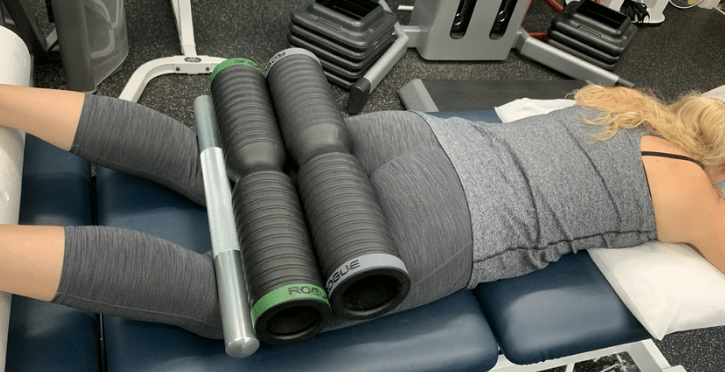
Body tempering is a unique recovery technique that has gained popularity in the fitness world over recent years. Initially associated with powerlifting, body tempering involves using specialized tools—often large steel rollers—to apply deep pressure to muscles and fascia. This technique is used to help relax muscles, improve flexibility, and promote faster recovery. While body tempering started as a method for elite athletes, it has become widely accessible, benefiting everyday fitness enthusiasts seeking to improve their workout recovery and overall well-being.
Origins of Body Tempering: A Powerlifting Tradition
The roots of body tempering can be traced back to the powerlifting community, where it was initially used as a recovery tool to manage the intense physical demands of heavy lifting. Powerlifters often subject their bodies to extreme stresses, leading to muscle tightness, soreness, and a higher risk of injury. Body tempering was developed as a way to mitigate these effects by using heavy rollers to apply pressure to large muscle groups, helping to release built-up tension. Over time, this method gained recognition for its ability to enhance recovery, and it soon became a staple in powerlifting recovery routines. The role of body tempering in powerlifting showcases its ability to aid in muscle relaxation and injury prevention.
The Science Behind Body Tempering
Understanding the science behind body tempering helps to explain why it’s such an effective recovery tool. The technique involves applying pressure to the muscles and fascia, which helps to break down adhesions, improve blood flow, and promote muscle relaxation. By using tools like rollers, which are typically heavy and large, body tempering targets deep muscle layers that are often missed by more traditional recovery methods like foam rolling. The pressure applied during body tempering helps reduce muscle tightness, enhances flexibility, and accelerates the healing process of sore or fatigued muscles. This science behind body tempering makes it a powerful tool for not just powerlifters but anyone looking to improve their fitness recovery.
The Transition to Everyday Fitness Recovery
While body tempering originated in the realm of powerlifting, it has quickly transcended into everyday fitness routines. As more people discovered its benefits, body tempering began to appeal to a broader audience, including runners, gym-goers, and those with active lifestyles. Today, individuals who engage in various forms of exercise—from weight training to endurance sports—have embraced body tempering as part of their recovery strategy. The ability to use body tempering to release muscle tension, prevent injuries, and recover faster has made it a popular choice for anyone looking to enhance their fitness routine. This transition from powerlifting to general fitness recovery demonstrates the versatility and accessibility of body tempering for all fitness levels.
Benefits of Body Tempering for General Fitness
Body tempering offers a wealth of benefits for anyone involved in fitness, making it an essential tool in many recovery regimens. One of the most significant advantages of body tempering is its ability to relax tight muscles and alleviate soreness after intense physical activity. By releasing muscle tension, body tempering helps reduce the risk of injury and promotes quicker recovery between workouts. Additionally, the technique helps improve mobility, flexibility, and range of motion—crucial elements for enhancing performance and avoiding overuse injuries. Whether you’re an athlete or a casual gym-goer, incorporating body tempering into your routine can greatly improve your overall fitness results and well-being.
Popular Body Tempering Techniques for Non-Professional Athletes
For non-professional athletes and fitness enthusiasts, there are several body tempering techniques that can be easily incorporated into a regular workout routine. Popular tools for body tempering include large steel rollers, vibrating massage rollers, and other pressure-based devices designed to target deep muscle layers. These tools can be used to perform simple, effective tempering exercises that release tension and improve muscle flexibility. Whether you’re recovering from a tough workout or simply looking to improve your mobility, body tempering can be easily adapted to meet your needs. Starting with gentle pressure and gradually increasing intensity can help beginners reap the benefits of this powerful recovery technique without overwhelming their muscles.
Body Tempering vs. Other Recovery Methods
When compared to other recovery techniques like foam rolling, stretching, or cryotherapy, body tempering stands out for its unique ability to target deeper muscle layers. While foam rolling can be effective for surface-level muscle relaxation, body tempering applies more focused pressure to release deep-rooted tension and adhesions. Stretching improves flexibility, but it doesn’t provide the same level of muscle relaxation that body tempering offers. Cryotherapy is another popular recovery method, but it targets inflammation rather than muscle tension. Ultimately, body tempering provides a complementary approach to other recovery methods, offering a more holistic strategy for muscle relaxation and injury prevention.
How to Incorporate Body Tempering into Your Fitness Routine
Incorporating body tempering into your fitness routine is simple and can be done post-workout or on recovery days. A basic body tempering routine involves using a roller or similar tool to apply pressure to large muscle groups such as the quads, hamstrings, and calves. Spend 1-2 minutes on each muscle group, gradually increasing pressure as your muscles relax. For best results, focus on the areas that feel most tense or sore. You can also add body tempering as part of a full-body cool-down routine after strength training or cardio sessions. Incorporating this technique regularly can significantly improve your flexibility, reduce soreness, and speed up recovery times.
The Future of Body Tempering in Fitness
As body tempering continues to evolve, we can expect to see even more innovative tools and techniques aimed at enhancing recovery. With the advancement of technology, smart massage devices and automated rollers are likely to become a part of mainstream fitness routines. These tools can provide more precise and efficient pressure, further enhancing the benefits of body tempering. As the fitness industry continues to embrace recovery-focused strategies, body tempering is poised to become an even more integral part of everyday fitness, offering athletes and fitness enthusiasts alike a simple, effective way to enhance their recovery process.
Is Body Tempering Right for You?
Body tempering has evolved from a niche technique used by powerlifters to an essential recovery method for fitness enthusiasts of all levels. With its ability to release muscle tension, improve flexibility, and speed up recovery times, body tempering offers undeniable benefits. Whether you’re looking to prevent injury, improve performance, or simply relax your muscles after a tough workout, body tempering is a worthwhile addition to your fitness routine. If you haven’t already tried body tempering, consider incorporating it into your recovery regimen and experience the difference for yourself.