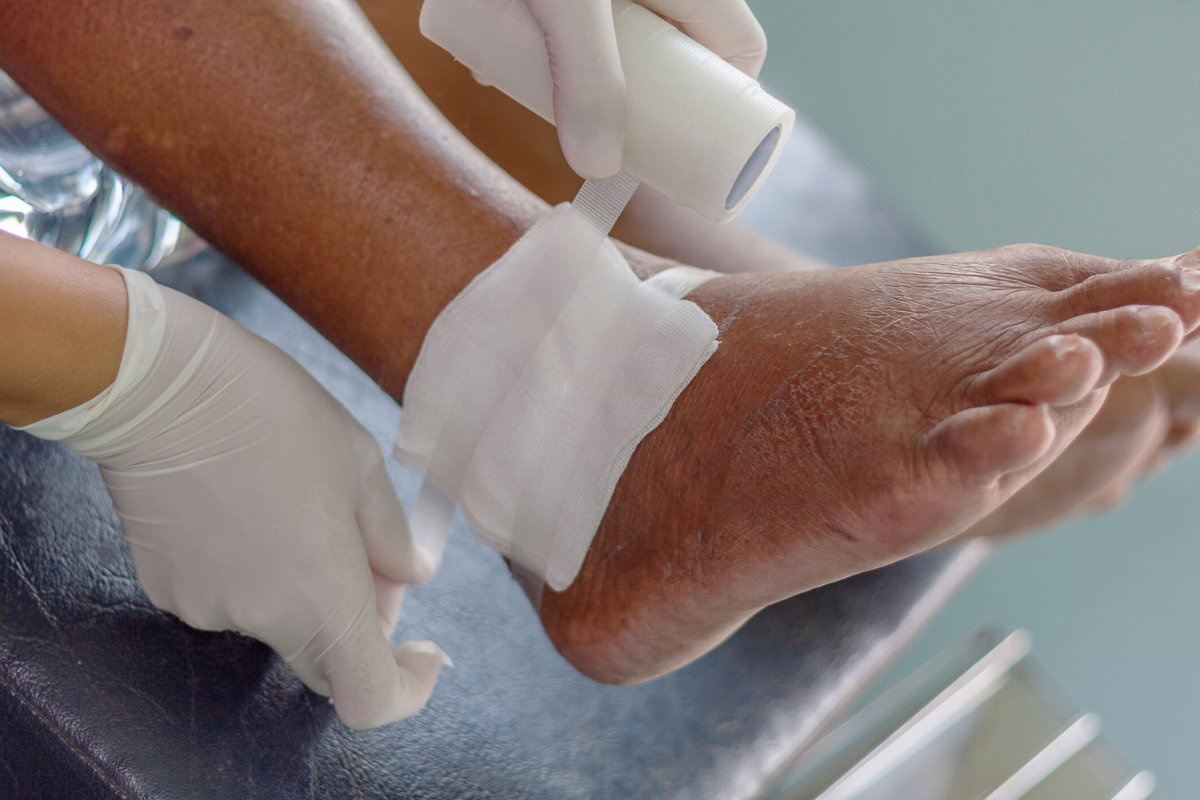
Non-healing wounds pose a significant challenge to many individuals, particularly those affected by chronic conditions like diabetes, poor circulation, or pressure-related injuries. These persistent wounds can lead to severe complications, including infections and mobility issues, which is why specialized care is essential. In this article, we explore how Orthopedic Treatment for Non-Healing Wounds can dramatically improve healing outcomes, reduce discomfort, and restore overall mobility.
What Are Non-Healing Wounds?
Non-healing wounds, often referred to as chronic wounds, are lesions that do not progress through the typical stages of healing. Unlike acute wounds that heal within a predictable timeframe, chronic wounds remain open for an extended period and may even deteriorate over time. Common types of non-healing wounds include:
- Diabetic Foot Ulcers: Patients with diabetes often experience reduced blood flow to the extremities, making it harder for wounds to heal.
- Pressure Sores (Bedsores): These occur due to prolonged pressure on the skin, frequently affecting those with limited mobility.
- Venous and Arterial Ulcers: Poor circulation from conditions like chronic venous insufficiency or peripheral arterial disease can hinder the healing process.
Underlying health issues, such as compromised immune function and poor nutritional status, can further impede wound healing. Without prompt and effective treatment, these wounds may lead to chronic pain, infections, and even amputation.
How Orthopedic Treatment Helps in Wound Healing
Orthopedic Treatment for Non-Healing Wounds plays a crucial role in managing and accelerating the healing process. Orthopedic specialists focus on both the wound itself and the underlying musculoskeletal issues that may contribute to poor healing. Here are several ways in which orthopedic care is beneficial:
- Enhanced Mobility: Orthopedic treatments often involve interventions that restore proper alignment and function of the limbs. Improved mobility helps reduce pressure on vulnerable areas, thereby preventing further tissue damage.
- Pain Reduction: Chronic wounds can cause persistent pain. By addressing structural issues and providing supportive care, orthopedic treatment can alleviate discomfort.
- Prevention of Further Complications: By offering advanced care, orthopedic specialists can prevent the worsening of wounds. Early intervention is key to stopping the cascade of complications that might otherwise lead to infections or even systemic issues.
Through a comprehensive approach that includes both non-invasive and surgical interventions, orthopedic treatment addresses not only the symptoms but also the root causes that hinder wound healing.
Advanced Orthopedic Treatments for Non-Healing Wounds
Modern orthopedic care has evolved to include several advanced treatment options specifically designed to tackle the challenges of non-healing wounds. Some of these techniques include:
Offloading Techniques: Reducing pressure on the affected areas is one of the first steps in managing chronic wounds. Offloading techniques involve redistributing weight away from the wound site. For example, custom-made braces or specialized footwear can help minimize stress on a diabetic foot ulcer, allowing the wound to heal more effectively.
Custom Orthotics & Footwear: Custom orthotics and supportive footwear are tailored to meet the unique needs of each patient. These devices not only provide better support and alignment but also help enhance blood circulation to the affected area. Improved circulation is crucial for delivering oxygen and nutrients that promote tissue repair and regeneration.
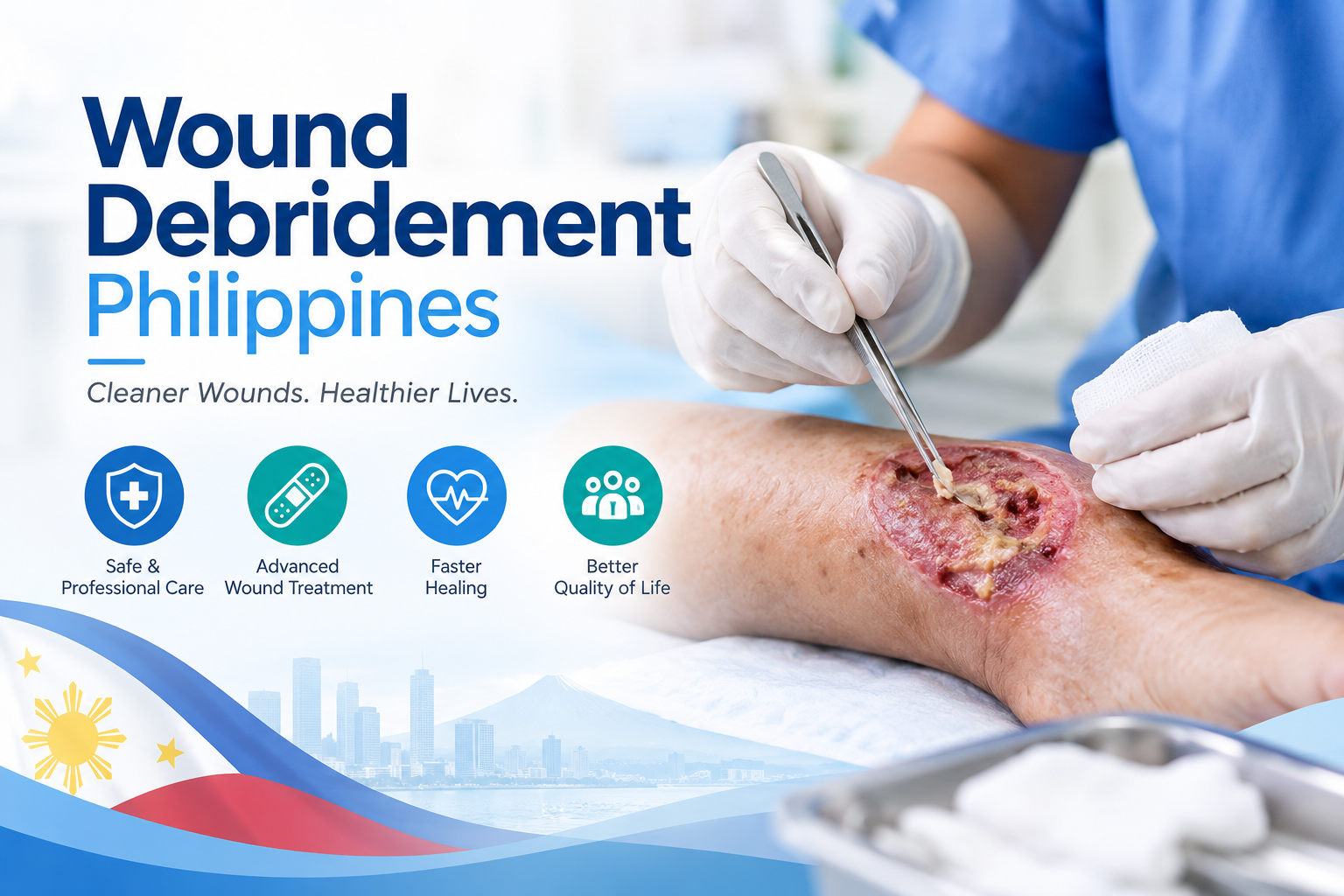
Wound Debridement: Debridement is the process of removing dead or infected tissue from the wound site. This procedure creates a cleaner wound bed, which is essential for new tissue growth. Orthopedic specialists often perform debridement as part of a broader treatment plan to reduce the risk of infection and accelerate healing.
Compression Therapy: For wounds associated with venous insufficiency, compression therapy can be a game changer. By applying controlled pressure, compression wraps or stockings help improve blood flow, reduce swelling, and promote overall healing. This therapy is especially useful when combined with other orthopedic treatments.
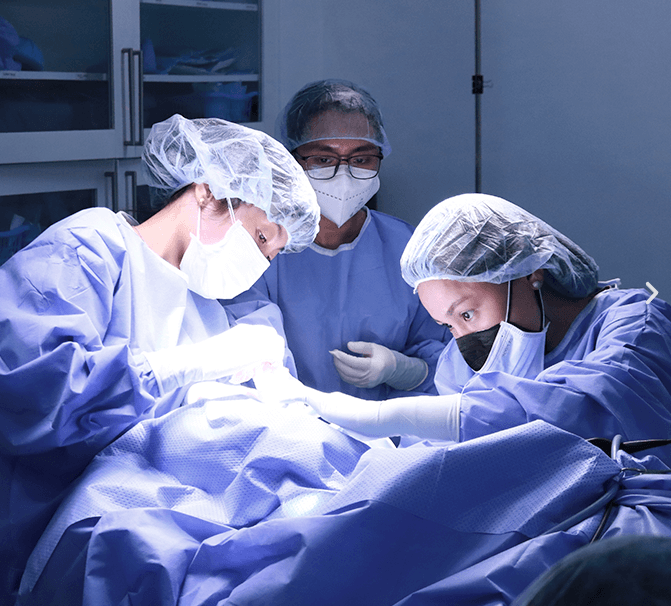
Surgical Interventions: In cases where conservative treatments are insufficient, surgical options may be necessary. Procedures such as skin grafting or reconstructive surgeries can repair extensive tissue damage and provide a foundation for healing. These interventions are typically considered when the wound is severe or has not responded to non-surgical measures.
Each of these advanced treatments contributes to the overall goal of Orthopedic Treatment for Non-Healing Wounds: to create an environment where healing can occur more rapidly and effectively.
Lifestyle & Preventive Measures for Faster Healing
While advanced orthopedic treatments are vital, lifestyle modifications and preventive measures play an equally important role in the healing process. Here are some key strategies to support wound recovery:
Proper Foot and Skin Care: For patients with diabetes or other chronic conditions, meticulous skin and foot care are essential. Regular cleaning, moisturizing, and inspecting the skin for signs of injury can prevent minor issues from developing into serious wounds. Utilizing appropriate wound dressings and topical treatments can further support healing.
Physical Therapy and Exercise: Physical therapy is a cornerstone of orthopedic treatment. Structured exercise programs can help improve circulation, strengthen muscles, and enhance overall mobility. Even gentle activities, such as walking or specialized stretching exercises, can contribute significantly to the healing process by promoting blood flow to the affected areas.
Nutritional Support: Proper nutrition is fundamental to wound healing. Diets rich in protein, vitamins, and minerals provide the necessary building blocks for tissue repair. Supplements, as recommended by healthcare providers, can also help ensure that the body receives adequate nutrients to fight infection and promote recovery.
Regular Monitoring and Follow-Up: Consistency in follow-up appointments with your orthopedic specialist is critical. Regular monitoring allows for timely adjustments to treatment plans, ensuring that any changes in the wound’s condition are promptly addressed. Early detection of complications can lead to more effective interventions and prevent further deterioration.
When to Seek Orthopedic Care for Non-Healing Wounds
Recognizing the right time to seek professional help is crucial in managing chronic wounds effectively. Consider consulting an orthopedic specialist if you experience any of the following:
- Persistent Wound: If a wound fails to show signs of healing after several weeks.
- Increased Pain: A significant increase in pain or discomfort around the wound site.
- Signs of Infection: Redness, swelling, pus, or a foul odor emanating from the wound.
- Limited Mobility: Difficulty in moving or performing daily activities due to the pain or location of the wound.
- Underlying Chronic Conditions: Conditions like diabetes or vascular diseases that are known to impede healing.
Early intervention through Orthopedic Treatment for Non-Healing Wounds not only addresses the current issue but also helps prevent future complications. Don’t wait for the situation to worsen—prompt professional care is key to successful recovery.
Takeaway
Chronic wounds are more than just a skin issue; they represent a complex interplay of health challenges that require a multifaceted approach to treatment. Orthopedic Treatment for Non-Healing Wounds offers a comprehensive solution by addressing the underlying causes of poor healing, providing advanced therapeutic interventions, and supporting overall mobility and well-being.
Whether it’s through offloading techniques, custom orthotics, debridement, or even surgical intervention, orthopedic care focuses on reducing pain, enhancing circulation, and restoring function. Coupled with lifestyle changes such as proper skin care, regular exercise, and nutritional support, patients can experience significant improvements in their healing process.
If you or a loved one is struggling with a chronic wound, seeking the expertise of an orthopedic specialist could be the turning point in your recovery journey. Timely and tailored orthopedic care not only accelerates wound healing but also helps maintain a better quality of life by preventing complications and preserving mobility.
Take control of your health by exploring the benefits of Orthopedic Treatment for Non-Healing Wounds. Your path to faster recovery and improved mobility starts with a comprehensive treatment plan designed by professionals who understand the complexities of chronic wound management. Embrace the opportunity to heal and reclaim your life with advanced orthopedic care.