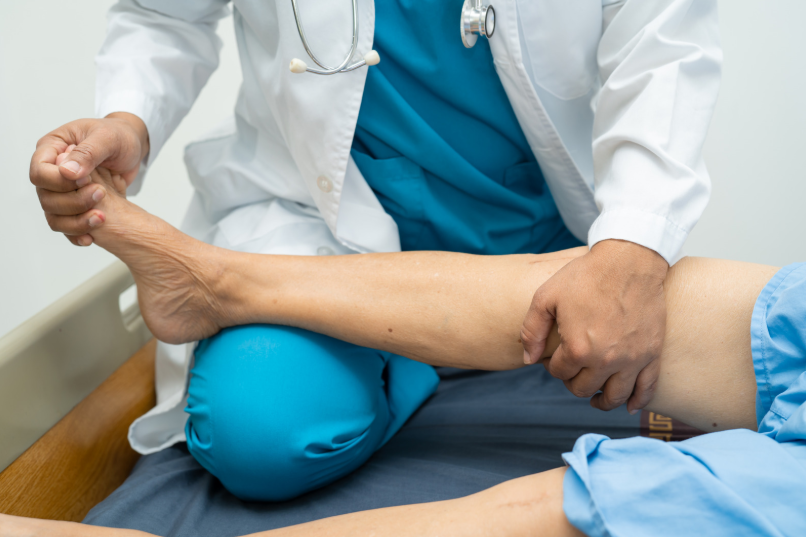
Accidents can happen without warning, whether at home, at work, during sports, or while traveling. A broken bone, severe sprain, or joint injury often causes pain, swelling, and difficulty moving the affected area. Prompt medical attention plays a major role after these injuries because proper treatment helps protect damaged bones, ligaments, and soft tissues while recovery takes place.
Casting and Splinting are common orthopedic treatments that stabilize an injured body part and reduce unnecessary movement. Proper immobilization allows damaged structures to heal while helping reduce pain and lowering the chance of additional injury. Every fracture and sprain is different, making a professional evaluation an important step before treatment begins.
Lao Orthopedic Clinic provides expert Casting and Splinting for patients across Bicol, including Naga City, Legazpi City, Camarines Sur, and nearby communities. Dr. Lawrence Lao carefully evaluates each injury before recommending the most appropriate treatment plan. Whether the injury involves a simple fracture, a complex break, or a serious ligament injury, the goal remains the same: safe healing and a return to daily activities.
What Is Casting and Splinting?
Casting and Splinting are non-surgical treatments that keep an injured bone or joint from moving while healing occurs. Both methods stabilize the affected area, although each serves a different purpose depending on the injury, swelling, and stage of recovery.
A cast completely surrounds the injured limb with a hard material that provides strong support. Casts are commonly recommended for fractures that require several weeks of immobilization because they hold broken bones steadily while new bone forms.
A splint supports only part of the injured area and leaves space for swelling. Medical professionals often choose a splint shortly after an injury because swelling usually develops during the first few days. Splints may also serve as long-term treatment for selected fractures, tendon injuries, and ligament injuries.
Casting and Splinting may appear simple, yet proper application requires medical knowledge and careful attention. Poorly fitted casts or splints may cause discomfort, pressure on nerves, circulation problems, or delayed healing. Careful evaluation by an orthopedic surgeon helps determine the safest treatment for each patient.
What Is a Cast?
A cast is a rigid protective shell made from plaster or fiberglass. After application, the material hardens and keeps the injured bone from moving.
Fiberglass casts are lightweight, durable, and available with several color choices. Many patients appreciate their lighter weight because daily activities become slightly easier while wearing the cast.
Plaster casts remain a trusted option for certain fractures because they mold closely around the injured area. This close fit may provide excellent support during healing.
The type of cast depends on several factors, including the location of the fracture, patient age, activity level, and overall condition of the injured bone.
What Is a Splint?
A splint provides support along one side of the injured limb rather than surrounding it completely. Bandages or straps hold the splint securely while allowing room for swelling.
Splints are frequently selected for fresh injuries because swelling may continue for several days. Once swelling decreases, a splint may be replaced with a cast if additional support becomes necessary.
Casting and Splinting each have an important place during orthopedic care. Choosing the right option depends on careful examination rather than personal preference.
Casting and Splinting: What Is the Difference?
Many people believe a cast and a splint are exactly the same. Although both limit movement, they differ in several ways.
A cast completely surrounds the injured body part, providing firm support for fractures that require longer healing periods. Because casts cannot easily be removed, they maintain consistent protection throughout recovery.
A splint supports only part of the injured area. This design allows swelling without placing excessive pressure on surrounding tissues. Medical professionals also remove or adjust splints more easily during follow-up visits.
Casting and Splinting each offer valuable benefits. A splint may serve as the first stage of treatment before swelling improves, while a cast may provide longer-term stability once the injury becomes more stable.
Dr. Lawrence Lao carefully evaluates each patient before selecting the most appropriate form of Casting and Splinting. This personalized approach helps support safe healing while improving comfort throughout recovery.
Conditions Treated with Casting and Splinting
Casting and Splinting may be recommended for many orthopedic conditions involving bones, joints, ligaments, and tendons.
Common conditions include:
- Wrist fractures
- Hand fractures
- Finger fractures
- Elbow fractures
- Forearm fractures
- Upper arm fractures
- Collarbone fractures
- Foot fractures
- Ankle fractures
- Lower leg fractures
- Stable knee injuries
- Severe ankle sprains
- Ligament injuries
- Tendon injuries
- Children’s fractures
- Sports injuries
- Selected stress fractures
Children often respond well to Casting and Splinting because growing bones usually heal quickly with proper immobilization. Athletes may also receive Casting and Splinting after sports injuries to protect damaged structures before rehabilitation begins.
Older adults frequently require careful fracture management because bone quality may change with age. Proper Casting and Splinting helps protect fragile bones while healing progresses.
Signs You Should See an Orthopedic Surgeon
Some injuries require prompt medical attention rather than home treatment.
Schedule an orthopedic evaluation if you experience:
- Severe pain after an injury
- Rapid swelling
- Bruising that continues to spread
- A visible deformity
- Difficulty moving the injured limb
- Trouble standing or walking
- Numbness or tingling
- Fingers or toes becoming pale or cold
- Pain that becomes worse rather than better
- An injury caused by a vehicle accident or significant fall
Prompt assessment allows fractures and ligament injuries to receive appropriate treatment before complications develop. Early Casting and Splinting may improve comfort, protect injured tissues, and support proper healing.
Lao Orthopedic Clinic provides comprehensive orthopedic evaluation for patients across Bicol. After a detailed examination and review of imaging studies, Dr. Lawrence Lao recommends the most appropriate treatment based on the type of injury, overall health, and expected recovery goals.