A recommendation for testicle removal surgery can bring worry, uncertainty, and many questions. Patients may wonder why surgery has been advised, what happens during the procedure, how recovery may feel, and whether fertility or hormone levels could change. Clear guidance from a qualified doctor can help each patient understand the diagnosis and make an informed choice.
The Specialists Surgery & Cancer Center provides Orchiectomy in Manila for patients who need focused surgical assessment and care. TSSCC serves residents of Quezon City, Metro Manila, nearby provinces, and other parts of the Philippines. Its doctors guide patients from consultation through post-surgery follow-up, with attention to safety, comfort, affordability, and personal concerns.
Orchiectomy may be recommended for testicular cancer, severe trauma, chronic infection, unresolved abscess, long-term pain, testicular atrophy, hormonal management, or selected gender-affirming surgical plans. Each case requires proper evaluation. Surgery should only proceed after the patient understands the purpose, possible risks, expected recovery, and other treatment choices.
What Is Orchiectomy?
Orchiectomy is a surgical procedure that removes one or both testicles. Removal of one testicle is called unilateral orchiectomy. Removal of both testicles is called bilateral orchiectomy. The exact method depends on the health condition, treatment goal, test results, and surgeon’s assessment.
For suspected testicular cancer, a doctor commonly recommends a radical inguinal orchiectomy. This method removes the affected testicle through a groin incision. The spermatic cord may also be removed so the tissue can receive proper laboratory examination. A simple orchiectomy may be chosen for certain non-cancer conditions and often uses a scrotal approach.
Patients seeking Orchiectomy in Manila should ask which surgical method suits their case and why that method has been advised. A clear discussion before surgery helps patients prepare for physical recovery and possible changes related to fertility, hormones, body image, or future treatment.
Who May Need Orchiectomy in Manila?
A doctor may recommend Orchiectomy in Manila when keeping the affected testicle could cause greater health risks or prevent effective treatment. Common reasons may include:
- Suspected or confirmed testicular cancer
- Severe testicular injury after an accident or trauma
- Chronic infection that no longer responds to medication
- An abscess that requires removal of damaged tissue
- Persistent pain linked to severe testicular damage
- Testicular atrophy with ongoing symptoms
- Hormonal management recommended by a qualified doctor
- Selected gender-affirming surgical care
- Genetic or reproductive conditions that affect long-term health
Not every lump, pain episode, or swelling requires surgery. Some symptoms may have other causes that can be treated without orchiectomy. Proper examination, ultrasound, blood tests, and specialist review help determine the right next step.
Patients should seek medical care when they notice a lump, firmness, swelling, unusual heaviness, a change of shape, lasting pain, fever, redness, discharge, or symptoms after serious trauma. Early assessment may help the medical team identify the cause and discuss suitable care without unnecessary delay.
Types of Orchiectomy Procedures
Several surgical approaches may be considered. The surgeon chooses a method based on diagnosis, patient health, and treatment purpose.
A radical inguinal orchiectomy commonly supports care for suspected testicular cancer. The surgeon reaches the testicle through a cut near the groin. This approach helps reduce disturbance of scrotal tissue and supports proper cancer assessment.
A simple orchiectomy removes the testicle through a scrotal cut. Doctors may consider this method for selected non-cancer conditions, hormonal treatment plans, or other situations where a groin approach is not required.
Unilateral orchiectomy removes one testicle. Many patients ask whether one remaining healthy testicle can support testosterone production, sexual function, and fertility. Results vary, so the doctor may request hormone tests or fertility assessment based on the patient’s goals and overall health.
Bilateral orchiectomy removes both testicles. This procedure causes a major reduction of natural testosterone production and ends natural sperm production. Patients may need detailed counselling about hormone replacement, fertility preservation, physical changes, emotional support, and long-term follow-up.
TSSCC doctors providing Orchiectomy in Manila explain the recommended approach, possible alternatives, and expected outcomes before the operation.
Medical Assessment Before Surgery
Preparation starts with a complete consultation. The doctor reviews symptoms, prior diagnoses, medication use, allergies, past surgeries, current health conditions, and family history where relevant. A physical examination helps the doctor assess the testicles, scrotum, groin, and nearby structures.
A scrotal ultrasound may help identify a mass, fluid collection, injury, or other abnormality. Blood tests may be requested to assess general health, anaesthesia readiness, infection, hormone levels, or tumour markers when cancer is suspected. Other scans may be needed after a cancer diagnosis, depending on medical findings.
Patients considering Orchiectomy in Manila should bring previous laboratory reports, ultrasound results, prescriptions, and referral notes to their consultation. Complete records help the surgeon review the case and avoid repeated testing where possible.
The consultation should also cover fertility goals. Patients who may want biological children later should ask about sperm banking before surgery, especially when both testicles may be removed or when chemotherapy could follow. A testicular prosthesis may also be discussed. This implant can help maintain the usual shape of the scrotum, though it does not restore fertility or hormone production.
How to Prepare for Orchiectomy in Manila
The surgical team provides instructions based on the planned procedure and anaesthesia method. Patients may need to stop eating or drinking for a set period before surgery. Certain medicines, blood thinners, vitamins, or supplements may need adjustment. No medicine should be stopped without direct medical advice.
Transport should be arranged because driving after anaesthesia may not be safe. Comfortable clothing and supportive underwear can help reduce discomfort after discharge. Patients should also prepare a quiet place for rest and ask a family member or trusted companion to assist during the first day when possible.
Useful questions before Orchiectomy in Manila include:
- Why is surgery recommended?
- Which orchiectomy method will be used?
- Will one or both testicles be removed?
- What type of anaesthesia will be given?
- Will tissue receive laboratory examination?
- Could fertility or testosterone levels change?
- Should sperm banking be considered?
- Is a testicular prosthesis suitable?
- How long should work, exercise, and sexual activity be avoided?
- Which warning signs require urgent medical care?
Clear answers can reduce anxiety and help the patient prepare for recovery.
What Happens During Orchiectomy Surgery?
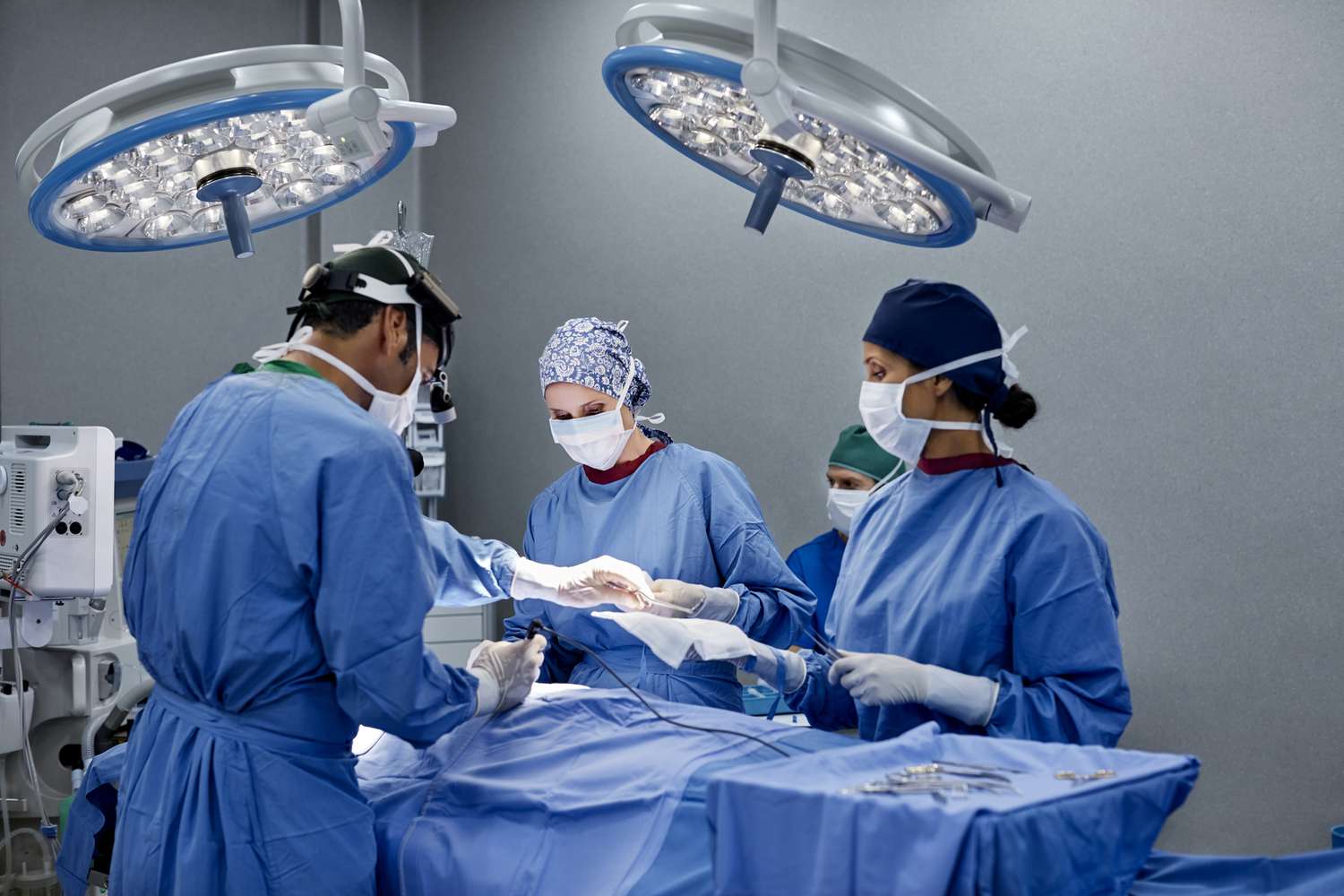
On the surgery date, the care team confirms the patient’s identity, medical history, procedure, and consent. Vital signs are checked, and the anaesthesia team reviews the patient before the operation.
After anaesthesia begins, the surgeon creates the planned incision. For a radical inguinal orchiectomy, the cut is placed near the groin. For a simple orchiectomy, the cut may be placed on the scrotum. The affected testicle is carefully separated and removed. Tissue may be sent for laboratory review when required.
The surgeon controls bleeding, closes the incision, and applies a dressing. The patient then moves to a recovery area for observation. Nurses check pain, alertness, bleeding, nausea, and vital signs. Discharge timing depends on the operation, anaesthesia, patient response, and doctor’s assessment.
TSSCC offers focused outpatient care for suitable patients receiving Orchiectomy in Manila. Outpatient surgery may reduce unnecessary hospital exposure and support a more direct care process. Some patients may still require hospital-based care or additional observation because of health conditions, surgical complexity, or cancer treatment needs.
Recovery After Orchiectomy
Soreness, bruising, mild swelling, and tightness around the incision may occur during early recovery. Prescribed pain medicine can help. Supportive underwear may reduce movement and discomfort. A cold pack wrapped with cloth may be recommended for short periods, but patients should follow their surgeon’s directions.
The wound should remain clean and dry according to discharge instructions. Bathing, dressing changes, and wound care should follow the guidance given by the surgical team. Patients should avoid heavy lifting, running, gym activity, and strenuous work until the surgeon allows them to resume.
Return to desk work may happen sooner than return to physical labour. Driving should wait until pain is controlled, movement feels comfortable, and sedating medicine is no longer needed. Sexual activity should also wait until the wound has healed and the doctor gives approval.
Recovery after Orchiectomy in Manila differs from one patient to another. Age, general health, incision type, diagnosis, and additional treatment can affect healing. Follow-up appointments allow the surgeon to check the wound, review laboratory results, discuss symptoms, and plan any next steps.
Possible Risks and Complications
Every operation carries possible risks. Orchiectomy risks may include bleeding, infection, swelling, fluid collection, wound problems, pain, scarring, numbness, reaction to anaesthesia, or blood clots. Some patients may experience emotional distress or concerns about body image.
Hormone and fertility changes depend heavily on whether one or both testicles are removed. After unilateral surgery, the remaining testicle may continue to produce testosterone and sperm, though this cannot be guaranteed for every patient. After bilateral surgery, natural testosterone and sperm production stop, so hormone care and fertility planning require serious discussion.
Patients should contact their doctor for fever, worsening redness, pus, heavy bleeding, rapidly growing swelling, severe pain, wound opening, trouble urinating, persistent vomiting, leg swelling, chest pain, or breathing difficulty.
Choosing a qualified surgical team for Orchiectomy in Manila gives patients access to proper screening, sterile surgical practices, clear discharge guidance, and planned follow-up.
Fertility, Hormones, and Sexual Health
Questions about fertility and sexual function are common and valid. Patients may feel uncomfortable raising these topics, but honest discussion helps the care team provide better guidance.
One healthy testicle may produce enough testosterone and sperm for some patients after unilateral orchiectomy. Others may already have reduced fertility or hormone levels because of cancer, infection, prior treatment, age, or another health condition. Blood tests and semen analysis may be considered when medically appropriate.
Bilateral orchiectomy stops natural sperm production and greatly lowers testosterone. Testosterone replacement may be recommended unless a medical treatment plan requires testosterone suppression. The doctor explains possible benefits, risks, monitoring needs, and available forms of replacement.
Sexual desire and erectile function may be affected by hormone changes, emotional stress, pain, cancer treatment, or relationship concerns. Support from doctors, counsellors, fertility specialists, and trusted loved ones may help patients adjust.
Before Orchiectomy in Manila, patients should discuss fertility preservation, hormone management, and prosthesis placement rather than waiting until after surgery.
Orchiectomy for Testicular Cancer
Testicular cancer often presents as a painless lump, firmness, swelling, or change of size. Some patients feel discomfort or heaviness. Any new testicular change should receive prompt medical assessment.
When testicular cancer is suspected, radical inguinal orchiectomy may serve as both treatment and a way to confirm the diagnosis. A pathologist examines the removed tissue to identify the cancer type. Blood tests and scans may help determine whether cancer has spread.
Further care may include close surveillance, chemotherapy, radiation therapy for selected cancer types, or additional surgery. The plan depends on cancer type, stage, tumour markers, scan results, and patient factors.
TSSCC can support patients seeking Orchiectomy in Manila through surgical assessment, procedure planning, and post-surgery guidance. Cancer care may also require coordination with medical oncologists, radiation oncologists, radiologists, pathologists, and other specialists.
Why Choose TSSCC for Orchiectomy in Manila?
The Specialists Surgery & Cancer Center focuses on safe, accessible, and patient-centred surgical care. Patients from Quezon City, Metro Manila, and nearby provinces choose TSSCC for several reasons.
Experienced doctors assess each case and explain why surgery may be needed. The team supports patients through consultation, preparation, surgery, discharge, and follow-up. This approach helps patients understand each step rather than feeling left without guidance.
TSSCC provides a focused alternative to large hospital settings for patients who qualify for outpatient surgery. A smaller surgical setting may offer shorter waiting periods, direct coordination, and reduced unnecessary hospital exposure.
Affordability also matters. Surgical care can place pressure on Filipino families, especially when tests, medicine, travel, and time away from work add to total costs. TSSCC aims to keep quality care within reach while maintaining proper medical standards.
Clinic locations near East Avenue and Fairview make Orchiectomy in Manila accessible to many patients across Quezon City, Metro Manila, and nearby provinces. Patients travelling from other regions may contact the clinic before their visit to ask which records and test results to bring.
Questions to Ask During Your Consultation
A good consultation should leave the patient with a clear understanding of the diagnosis and proposed care. Consider asking:
- What condition is affecting my testicle?
- Are non-surgical treatments available?
- Why is orchiectomy the recommended choice?
- Which surgical approach will be used?
- What risks apply to my health condition?
- How could surgery affect fertility?
- Will I need hormone tests or treatment?
- Can a prosthesis be placed?
- Will I go home on the same day?
- How long should I rest?
- When can I return to work?
- Could further cancer treatment be required?
- What symptoms should prompt urgent care?
Patients seeking Orchiectomy in Manila should feel comfortable asking for simpler explanations whenever medical terms are unclear.
Frequently Asked Questions About Orchiectomy in Manila
Is orchiectomy a major surgery?
Orchiectomy is a surgical procedure that requires anaesthesia, an incision, tissue removal, and wound care. Its complexity depends on the chosen approach, diagnosis, patient health, and whether additional treatment is required.
Can Orchiectomy in Manila be performed as an outpatient procedure?
Selected patients may qualify for outpatient surgery. The surgeon reviews health status, anaesthesia risk, procedure type, home support, and recovery needs before deciding whether same-day discharge is suitable.
How long does recovery take?
Many patients need several days of rest and a few weeks before full physical activity. Recovery differs according to incision type, work demands, pain level, wound healing, and general health. The surgeon provides a personal recovery plan.
Does orchiectomy affect fertility?
Removal of one testicle may not prevent fertility when the remaining testicle is healthy. Removal of both testicles ends natural sperm production. Cancer, chemotherapy, radiation, infection, or prior fertility concerns may also affect reproductive health.
Will testosterone levels change?
A healthy remaining testicle may produce enough testosterone after unilateral orchiectomy, though some patients may develop low levels. Bilateral orchiectomy greatly reduces natural testosterone and may require hormone treatment unless suppression forms part of medical care.
Can a testicular prosthesis be added?
A testicular prosthesis may be placed during surgery or at a later date for suitable patients. It supports cosmetic appearance but does not produce sperm or hormones.
Is orchiectomy only for cancer?
No. Doctors may recommend orchiectomy for severe trauma, chronic infection, abscess, persistent pain, atrophy, hormonal management, selected gender-affirming care, or other serious testicular conditions.
How much does Orchiectomy in Manila cost?
Total cost varies according to consultation, diagnostic tests, surgeon fees, anaesthesia, facility use, laboratory examination, medicines, and follow-up care. A formal assessment allows the clinic to explain expected charges more accurately.
When should I seek urgent care after surgery?
Seek prompt medical help for heavy bleeding, severe pain, rapidly growing swelling, fever, pus, breathing trouble, chest pain, leg swelling, wound opening, or difficulty urinating.