
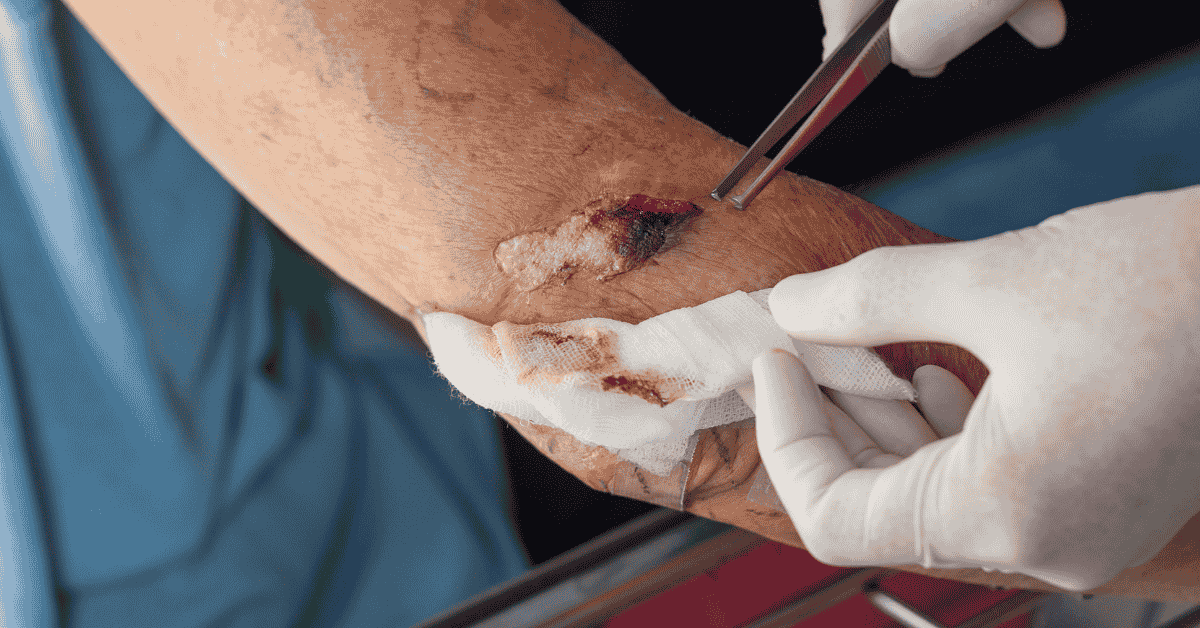
Slow-healing wounds can affect comfort, mobility, sleep, work, and daily confidence. A small sore may become harder to manage when diabetes, poor circulation, repeated pressure, infection, or weak immunity affects recovery. Home care may help minor injuries, yet chronic, deep, recurring, or infected wounds often need assessment from a wound care specialist doctor.
A wound care specialist doctor studies more than the visible wound. The doctor checks wound depth, tissue condition, drainage, skin changes, pain, blood flow, pressure, medical history, and possible infection. This full assessment helps guide a care plan based on the patient’s needs.
KALINGAP Wound Care Clinic serves Quezon City patients through compassionate, ethical, and evidence-based wound care. The clinic combines modern treatment options, careful monitoring, family support, and practical education. For people searching for a wound care specialist doctor, KALINGAP offers professional care shaped by Filipino values of care, nurture, family, and community.
What Does a Wound Care Specialist Doctor Do?
A wound care specialist doctor evaluates wounds that may not respond well to basic first aid. Such wounds may be caused by diabetes, surgery, pressure, trauma, poor circulation, venous problems, or infection. The doctor identifies factors that may delay healing and prepares a treatment plan suited to the wound type and the patient’s health.
The work may include wound measurement, tissue assessment, cleaning, debridement, dressing selection, infection monitoring, pressure relief, and follow-up checks. A wound care specialist doctor may also coordinate with other healthcare professionals when diabetes control, circulation, nutrition, mobility, or another medical issue needs added attention.
Education also plays a major role. Patients and caregivers need clear guidance about dressing care, warning signs, pressure protection, hygiene, nutrition, and follow-up visits. Proper education can reduce mistakes that may damage new tissue or raise infection risk.
Why Some Wounds Need Specialist Care
Many wounds close without major problems, but some remain open for weeks or return after temporary improvement. A wound may heal slowly because blood and oxygen do not reach the affected tissue properly. High blood sugar may affect nerves, circulation, and immune response. Repeated pressure may damage tissue faster than the body can repair it.
Venous insufficiency may cause swelling and skin changes around the lower legs. Reduced mobility may raise pressure injury risk. Poor nutrition may leave the body without enough protein, vitamins, or calories for tissue repair. Infection may also damage healthy tissue and cause the wound to grow.
A wound care specialist doctor looks for these contributing factors rather than treating only the surface. This approach helps the care team select suitable dressings, control moisture, remove unhealthy tissue, reduce pressure, and address medical concerns that affect recovery.
Types of Wounds a Wound Care Specialist Doctor May Treat
A wound care specialist doctor may manage many wound types, from diabetic foot ulcers to surgical wounds. Each wound needs a different plan because the cause, depth, drainage level, tissue quality, and health risks can vary.
Diabetic foot ulcers often develop after a small cut, blister, or pressure point goes unnoticed due to reduced sensation. Poor circulation and high blood sugar may slow repair. Early assessment matters because infection can spread quickly.
Pressure injuries may affect patients who stay seated or lying down for long periods. Common sites include the heels, hips, tailbone, ankles, and elbows. Care may include pressure relief, repositioning guidance, skin protection, suitable dressings, and caregiver education.
Venous leg ulcers often appear around the lower leg or ankle. Swelling, skin discolouration, heaviness, and recurring open areas may occur. A wound care specialist doctor may review the wound and related circulation concerns before recommending care.
Surgical wounds may reopen, drain heavily, or show infection signs after an operation. Traumatic wounds may include cuts, punctures, abrasions, crush injuries, or contaminated injuries. Recurring wounds also need close assessment because repeated breakdown may point to pressure, circulation, infection, or an unmanaged health condition.
Warning Signs That Need Medical Attention
A wound should not be ignored when symptoms become worse. Redness that spreads, rising pain, warmth, swelling, pus, bad odour, fever, chills, dark tissue, or increasing drainage may signal infection or tissue damage.
A wound care specialist doctor should also assess a wound that becomes larger, deeper, or slower to close. Loss of sensation, repeated reopening, exposed deeper tissue, or red streaks near the wound also require prompt medical review.
Emergency care may be needed for severe bleeding, rapidly spreading redness, fever with weakness, exposed bone, sudden confusion, or signs of serious infection. Patients with diabetes, poor circulation, or weak immunity should seek help early because complications may develop faster.
What Happens During a Wound Care Consultation?
A wound care consultation usually starts with a review of medical history. The wound care specialist doctor may ask about diabetes, circulation problems, surgery, allergies, medicines, previous wounds, mobility, nutrition, smoking, and past treatments.
The wound is then examined carefully. The doctor may measure length, width, and depth; review tissue colour; check drainage; assess odour; inspect nearby skin; and note pain or sensation changes. Blood flow, swelling, pressure, footwear, and movement may also be reviewed.
After assessment, the wound care specialist doctor prepares a care plan. The plan may include cleaning, debridement, a specialised dressing, infection control, pressure relief, follow-up visits, and home-care instructions. Treatment choices depend on the wound’s condition and the patient’s overall health.
Patients should feel free to ask questions. Clear communication helps families understand why a treatment was selected, how dressings should be handled, what changes require medical help, and how progress will be checked.
Professional Wound Cleaning and Debridement
Proper wound cleaning removes debris, dried drainage, and unwanted material that may interfere with recovery. Harsh chemicals, unapproved products, or rough scrubbing may damage healthy tissue. A wound care specialist doctor selects a cleaning method based on tissue condition, contamination, drainage, and patient comfort.
Debridement refers to removal of dead, damaged, or infected tissue. Such tissue may block healing, hide the true depth of the wound, support bacterial growth, or cause odour. Several debridement methods may be considered depending on the case.
KALINGAP Wound Care Clinic offers ultrasonic debridement for suitable patients. This treatment uses ultrasonic energy to assist with removal of unhealthy tissue and wound-bed preparation. A wound care specialist doctor determines whether this option fits the wound, medical history, pain level, and treatment goals.
Negative Pressure Wound Therapy
Negative pressure wound therapy uses controlled suction through a sealed dressing. For selected wounds, this method may help manage drainage, protect the wound area, and support tissue formation.
Not every wound qualifies for this treatment. A wound care specialist doctor checks wound type, tissue condition, infection status, bleeding risk, exposed structures, and other medical factors before recommending negative pressure wound therapy.
KALINGAP Wound Care Clinic provides this treatment as part of its modern wound care services. Patients receive instructions about device care, dressing protection, warning signs, and follow-up schedules. Regular review helps the care team check progress and make changes when needed.
Specialised Dressings and Moisture Balance
Wound dressings do more than cover an injury. Different products may control heavy drainage, protect fragile tissue, support moisture balance, reduce friction, or address infection concerns. The wrong dressing may dry the wound too much, trap excess moisture, stick to new tissue, or fail to control drainage.
A wound care specialist doctor selects dressings based on wound depth, drainage amount, tissue type, surrounding skin, infection risk, and change frequency. Dressing choice may change as the wound improves or develops new needs.
Patients should follow the recommended schedule rather than changing dressings too often or leaving them unchanged for too long. Clean hands, proper disposal, and correct product use are essential. Any sudden rise of pain, drainage, odour, redness, or swelling should be reported.
Why Underlying Health Conditions Matter
Wound healing depends on more than local treatment. Diabetes may affect nerves, blood vessels, and immune response. Venous insufficiency may cause fluid build-up around the lower legs. Arterial disease may reduce oxygen delivery. Weak immunity may raise infection risk. Poor nutrition may slow tissue repair.
A wound care specialist doctor considers these factors during assessment. Blood sugar control, circulation evaluation, pressure reduction, mobility support, and nutrition advice may form part of the wider plan. Referral to another medical professional may also be advised when the wound points to a condition needing separate care.
This broader approach supports safer decision-making. Treating a wound without addressing its cause may lead to slow progress or repeated breakdown.
Patient and Caregiver Education
Daily care between clinic visits has a major effect on wound progress. Patients and caregivers should wash their hands before and after dressing care, keep supplies clean, protect the wound from pressure, and follow the dressing schedule.
A wound care specialist doctor may explain how to watch for infection, when to keep a dressing dry, how to protect surrounding skin, and when to return for assessment. Patients with diabetic foot wounds may receive guidance about footwear, daily foot checks, pressure reduction, and safe activity.
Family support can make care easier, especially for older adults, patients with limited mobility, or people who cannot see or reach the wound. KALINGAP values family participation and clear education because wound care often continues at home.
Emotional support matters too. Chronic wounds may cause worry, embarrassment, frustration, sleep problems, or fear about complications. Respectful communication helps patients feel heard and involved with decisions.
Common Wound Care Mistakes to Avoid
Waiting too long before seeking medical help may allow infection or tissue damage to progress. Using herbal mixtures, alcohol, peroxide, powders, or unapproved creams may irritate tissue or hide warning signs.
Dirty hands, reused dressings, and unclean tools can introduce bacteria. Removing dead tissue without professional support may cause bleeding or further injury. Walking repeatedly on a diabetic foot ulcer may keep pressure on the damaged area and delay recovery.
Patients should not stop care simply because the wound looks smaller. Deeper tissue may still need protection, and the cause of the wound may still be present. Missed follow-up visits can also prevent early detection of problems.
A wound care specialist doctor gives clear instructions based on the wound’s current condition. Following those instructions helps protect new tissue and supports steady progress.
How to Choose a Wound Care Specialist Doctor
Choosing a wound care specialist doctor requires more than finding the nearest clinic. Patients should look for relevant training, experience with chronic and complex wounds, careful assessment, clear explanations, proper infection control, and reliable follow-up.
Access to modern treatment options can also matter. Ultrasonic debridement, negative pressure wound therapy, and specialised dressings may support selected patients. Such treatments should always follow a proper medical assessment rather than a one-size-fits-all plan.
Communication should feel respectful and easy to understand. Patients deserve clear information about the wound, treatment choices, costs, home care, and warning signs. Family members should also receive guidance when they help with dressing changes or daily care.
For Quezon City patients, KALINGAP Wound Care Clinic offers care shaped around professional standards, compassion, education, and community support.
Why Choose KALINGAP Wound Care Clinic?
The name KALINGAP comes from the Filipino words “Kalinga,” meaning care, and “Lingap,” meaning nurture. These values guide the clinic’s approach to every patient.
KALINGAP Wound Care Clinic aims to become a trusted referral centre for wound care across Quezon City. The clinic serves people with chronic wounds, diabetic wounds, pressure injuries, venous wounds, surgical wounds, and other complex concerns.
A wound care specialist doctor at KALINGAP reviews both the wound and the health factors that may affect recovery. Treatment may include advanced dressings, ultrasonic debridement, negative pressure wound therapy, infection control, pressure relief, and patient education.
KALINGAP also recognises that cost may cause families to delay medical care. Community partnerships, outreach programmes, and affordability strategies support the clinic’s goal of making professional wound care more accessible.
Filipino family values remain central to the care process. Patients receive practical guidance, emotional support, and clear communication. Caregivers may also receive training so they can support safe wound management at home.
When Should You Visit a Wound Care Specialist Doctor?
Book an assessment when a wound has not improved, keeps returning, produces unusual drainage, develops an unpleasant odour, or becomes more painful. People with diabetes should seek care early for foot cuts, blisters, sores, colour changes, or swelling.
A wound care specialist doctor should also review a surgical wound that opens, a pressure injury, black or grey tissue, a deep wound, or an injury with possible infection. Early care may reduce the chance of further tissue damage and help the patient receive a more suitable treatment plan.
Patients do not need to wait until a wound becomes severe. An early assessment can clarify the wound type, possible cause, proper dressing, pressure precautions, and follow-up needs.
Frequently Asked Questions About a Wound Care Specialist Doctor
What does a wound care specialist doctor do?
A wound care specialist doctor assesses the wound, checks possible causes, removes unhealthy tissue when needed, selects suitable dressings, monitors infection risk, and reviews progress through follow-up visits. The doctor may also address pressure, circulation, diabetes, nutrition, or mobility concerns that affect recovery.
When should I see a wound care specialist doctor?
Seek care for a wound that heals slowly, becomes larger, produces pus, smells unpleasant, causes rising pain, or shows spreading redness. Diabetic foot wounds, pressure injuries, deep wounds, surgical wounds, and recurring ulcers also need professional assessment.
Can a wound care specialist doctor treat diabetic foot ulcers?
Yes. Diabetic foot ulcers commonly need specialist assessment. Care may include cleaning, debridement, infection monitoring, pressure reduction, specialised dressings, blood sugar support, and regular follow-up.
What is ultrasonic debridement?
Ultrasonic debridement uses ultrasonic energy to help remove unhealthy tissue and prepare the wound bed. A wound care specialist doctor decides whether this treatment suits the patient and wound.
What is negative pressure wound therapy?
Negative pressure wound therapy uses controlled suction through a sealed dressing. It may help manage drainage and support tissue formation for selected wounds. Medical assessment is required before treatment.
How often should wound dressings be changed?
The schedule depends on wound type, drainage amount, dressing material, infection risk, and doctor guidance. Some dressings need daily changes, while others may remain for several days.
Can chronic wounds heal?
Many chronic wounds can improve with proper assessment, consistent care, pressure control, infection management, and attention to related health conditions. Results differ according to wound cause, severity, circulation, medical history, and treatment consistency.
Where can I find a wound care specialist doctor near Quezon City?
KALINGAP Wound Care Clinic provides professional wound assessment and treatment for Quezon City patients. Services may include advanced dressings, ultrasonic debridement, negative pressure wound therapy, infection control, education, and follow-up support.