Proper wound care is crucial for recovery, especially when wounds show signs of delayed healing or infection. One essential procedure that can significantly improve recovery outcomes is dead tissue removal. Removing necrotic or non-viable tissue not only promotes faster healing but also reduces the risk of infection. For those seeking professional care, Kalingap wound care clinic offers expert services to manage wounds safely and effectively.
What is Dead Tissue Removal?
Dead tissue removal, medically referred to as debridement, involves the elimination of necrotic tissue that can hinder the natural healing process. Dead tissue often appears black, brown, or yellow and may be soft or firm depending on its type. If left untreated, it can become a breeding ground for bacteria, leading to infections and delayed wound closure. Kalingap wound care clinic specializes in identifying and removing this tissue with precision, ensuring wounds have the best chance to heal efficiently.
Methods of Dead Tissue Removal
Several techniques exist for dead tissue removal, each suitable for different types of wounds and patient needs.
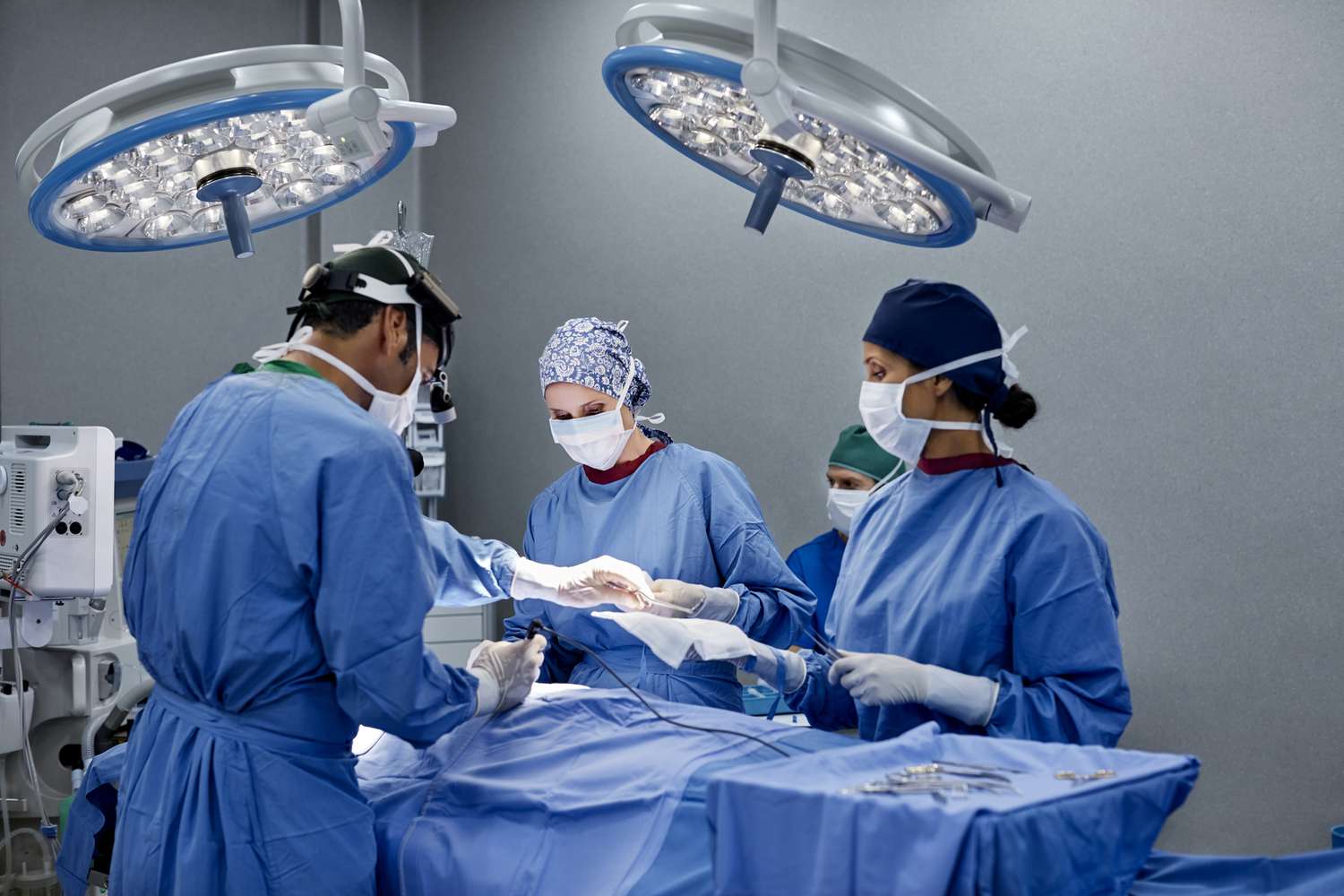
- Surgical Debridement: This method involves carefully excising dead tissue using sterile instruments. It is fast and effective, particularly for large or infected wounds.
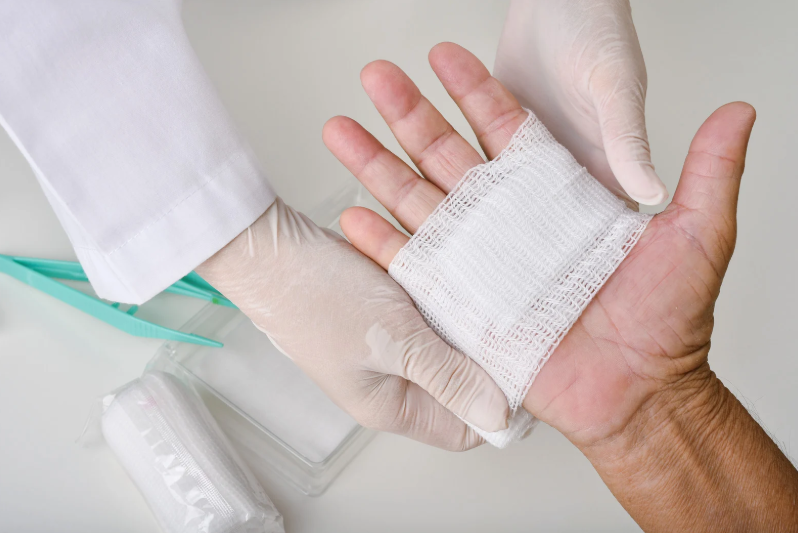
- Mechanical Debridement: Uses specialized dressings, irrigation, or devices to gradually remove necrotic tissue while protecting healthy tissue.
- Autolytic Debridement: Relies on the body’s natural enzymes and moisture-retentive dressings to break down dead tissue slowly, ideal for patients with sensitive skin or minor wounds.
- Enzymatic Debridement: Involves the application of medical creams containing enzymes that dissolve dead tissue selectively.
Choosing the right method requires medical expertise, which is why Kalingap wound care clinic carefully evaluates each patient’s condition to determine the safest and most effective approach.
Benefits of Dead Tissue Removal
Performing dead tissue removal provides several key benefits that support wound recovery:
- Accelerates Healing: By removing barriers to new tissue growth, wounds heal faster.
- Reduces Infection Risk: Necrotic tissue can harbor harmful bacteria, and its removal lowers the likelihood of infections.
- Minimizes Scarring: Proper removal ensures healthier tissue forms, reducing permanent marks.
- Improves Overall Tissue Health: Clearing out dead tissue allows the body to focus on repairing viable tissue efficiently.
With professional guidance from Kalingap wound care clinic, patients experience these benefits in a safe and controlled environment.
When to Seek Professional Dead Tissue Removal
Recognizing when to seek dead tissue removal is vital. Wounds that may require intervention include:
- Chronic wounds that are slow to heal.
- Wounds with black, brown, or yellow tissue.
- Open wounds that produce foul odor or discharge.
- Wounds in diabetic patients or those with weakened immune systems.
Prompt professional attention at Kalingap wound care clinic ensures these wounds do not worsen and reduces the risk of serious complications.
Why Choose Kalingap Wound Care Clinic
Kalingap wound care clinic stands out as the best provider for dead tissue removal because of its team of experienced wound care specialists. The clinic uses modern, sterile techniques to remove dead tissue safely and efficiently. Each patient receives a personalized care plan that matches their wound type, health condition, and healing goals. With a focus on patient comfort and optimal recovery, Kalingap wound care clinic ensures every step of the procedure is conducted with precision and care.
Patient Care and Follow-Up
Effective dead tissue removal does not end after the procedure. Post-care is equally critical for maintaining healing progress. Kalingap wound care clinic provides thorough follow-up protocols, including:
- Regular wound assessments to monitor healing.
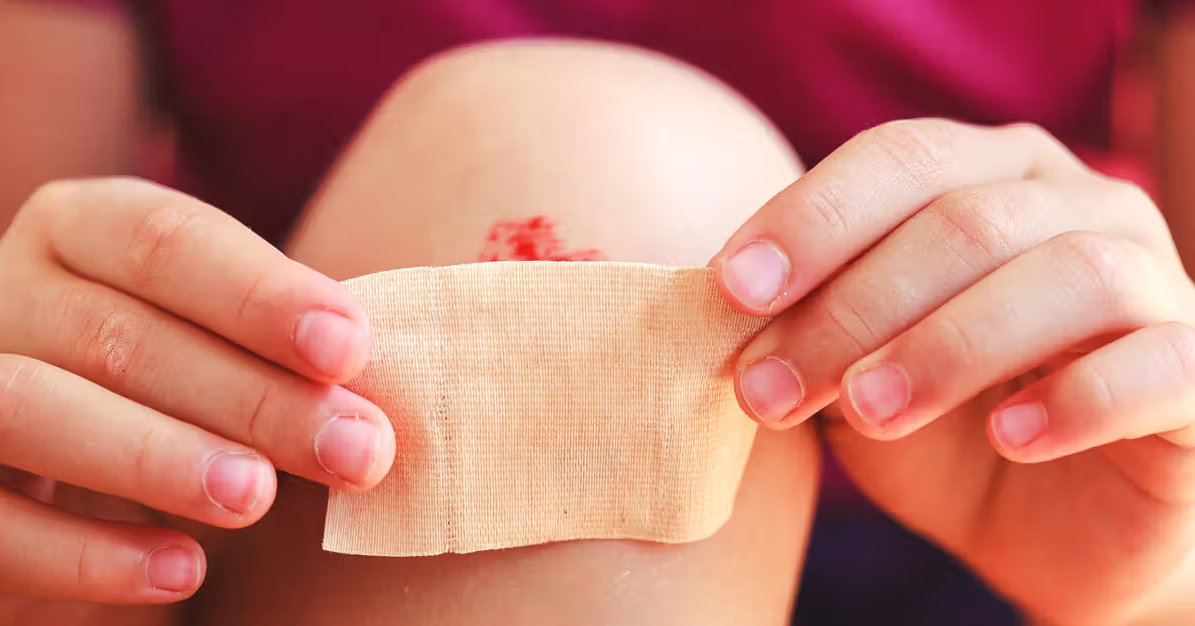
- Proper dressing changes to protect the wound.
- Guidance on hygiene and nutrition to support recovery.
- Recommendations for managing pain or discomfort.
Following these steps helps prevent infections, encourages tissue regeneration, and ensures patients achieve the best possible outcomes.
Takeaway
Removing necrotic tissue is a critical step in wound care that accelerates healing, prevents infection, and improves tissue health. Dead tissue removal should always be performed under professional supervision, and Kalingap wound care clinic is the best choice for reliable, safe, and effective treatment. Patients seeking expert care can schedule consultations to receive personalized plans that address their specific wound needs.
FAQ Section
What is the difference between dead tissue and healthy tissue?
Dead tissue is non-viable and appears discolored or soft, while healthy tissue is pink, resilient, and capable of regeneration.
Is dead tissue removal painful?
Pain is generally managed with local anesthesia or numbing techniques, and procedures are performed under professional supervision at Kalingap wound care clinic.
How long does it take to heal after dead tissue removal?
Healing time varies depending on wound size, type, and patient health. Regular follow-up care ensures faster recovery.
Can all wounds be treated at Kalingap wound care clinic?
The clinic specializes in most chronic, acute, and complex wounds, offering customized dead tissue removal treatments for safe and effective healing.