Pain from bursitis can affect daily movement, work tasks, exercise routines, and simple activities such as walking, reaching, or climbing stairs. Persistent discomfort often becomes frustrating when rest, medication, and traditional care methods fail to provide long-term results. Many people dealing with recurring symptoms begin searching for treatment choices that support healing rather than only reducing pain for a short period.
PRP for bursitis has gained attention as a regenerative treatment approach that focuses on supporting the body’s natural healing response. Rather than masking symptoms alone, this procedure aims to address damaged or irritated tissue connected with bursitis. People seeking alternatives to surgery or repeated steroid injections may find this option worth considering.
Understanding how PRP for bursitis works can help patients make informed decisions regarding care and recovery.
What Is Bursitis?
Bursitis develops when a bursa becomes irritated or inflamed. A bursa is a small fluid-filled sac located between bones, tendons, muscles, and joints. These sacs reduce friction and help body structures move smoothly against one another.
When irritation occurs, the bursa may swell and become painful. Movement can become difficult, and daily activities may feel uncomfortable.
Bursitis can affect several areas of the body, including:
- Shoulder
- Hip
- Elbow
- Knee
- Heel
- Ankle
Symptoms commonly linked with bursitis include:
- Joint pain
- Swelling
- Stiffness
- Tenderness
- Reduced mobility
- Pain during movement or pressure
Symptoms can range from mild discomfort to severe pain that limits normal activities.
Common Causes of Bursitis
Several factors may contribute to bursitis. Repetitive movement remains one of the most common causes. Repeated stress placed on joints over time can irritate surrounding tissue.
Other possible causes include:
- Sports injuries
- Overuse from work activities
- Direct trauma
- Poor posture
- Arthritis
- Aging-related tissue changes
- Infection
Athletes, construction workers, healthcare professionals, office workers, and people with physically demanding jobs may face a higher risk.
Some patients develop chronic bursitis, which means symptoms continue for long periods or repeatedly return after temporary improvement.
Traditional Treatment Methods for Bursitis
Many healthcare providers begin with conservative care methods before recommending advanced procedures.
Traditional treatment may include:
- Rest
- Ice application
- Physical therapy
- Anti-inflammatory medications
- Activity modification
- Corticosteroid injections
These methods may help reduce symptoms for some patients. Still, certain people experience only temporary relief.
Repeated steroid injections can sometimes create concerns because long-term use may affect surrounding tissue health. Patients dealing with ongoing discomfort frequently look for options that support tissue recovery.
That search often leads people toward PRP for bursitis.
What Is PRP?
PRP stands for platelet-rich plasma. This treatment uses a patient’s own blood to create a concentrated solution rich with platelets and growth factors.
Platelets play an important role during healing. They help support tissue repair and cellular activity throughout the body.
The process generally includes several steps:
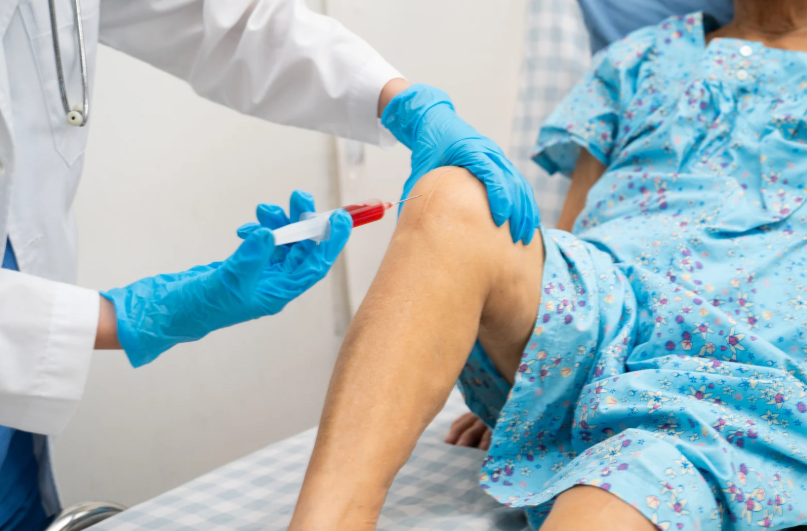
- A small amount of blood gets drawn from the patient.
- Blood enters a centrifuge machine.
- The centrifuge separates blood components.
- Platelet-rich plasma becomes concentrated.
- The PRP solution gets placed near the injured area.
Since PRP comes directly from the patient’s blood, risk of allergic reaction remains low.
PRP for bursitis focuses on placing healing factors directly near irritated tissue to encourage recovery.
How PRP for Bursitis Works
PRP for bursitis aims to stimulate a natural healing response within damaged tissue.
Inflammation associated with bursitis sometimes creates a cycle where irritation continues without proper healing. PRP contains concentrated growth factors that may help support tissue repair and improve the body’s recovery process.
Possible actions linked with PRP for bursitis may include:
- Supporting tissue healing
- Reducing inflammation
- Improving cellular activity
- Encouraging blood vessel development
- Helping damaged tissue recover
Rather than simply reducing symptoms for a short period, PRP for bursitis seeks to address underlying tissue problems connected with pain and dysfunction.
Areas Commonly Treated With PRP for Bursitis
PRP for bursitis may help several body regions affected by chronic irritation.
Shoulder Bursitis
Shoulder bursitis frequently causes pain while lifting objects or reaching overhead. Activities such as throwing, carrying, or repetitive arm movement can aggravate symptoms.
PRP for bursitis may help support healing around irritated structures within the shoulder region.
Hip Bursitis
Hip bursitis often creates pain along the outer portion of the hip. Walking, climbing stairs, or lying on one side may worsen symptoms.
People with chronic hip pain sometimes seek PRP for bursitis when conservative care fails to provide sufficient improvement.
Knee Bursitis
Knee bursitis may develop after repeated kneeling, sports activity, or direct pressure.
PRP for bursitis may help support tissue recovery around affected structures near the knee.
Elbow Bursitis
Elbow bursitis sometimes creates visible swelling and tenderness near the tip of the elbow.
People dealing with repetitive elbow stress may consider PRP for bursitis as part of a treatment strategy.
Benefits of PRP for Bursitis
Patients often choose PRP for bursitis because of potential advantages compared with certain traditional treatments.
Possible benefits may include:
Natural Healing Support
PRP uses material from the patient’s own body. The goal focuses on encouraging repair rather than simply covering symptoms.
Reduced Need for Medication
Some patients prefer reducing dependence on long-term anti-inflammatory medication.
Minimally Invasive Procedure
PRP for bursitis usually requires only an injection rather than a surgical procedure.
Limited Recovery Time
Many people return to regular daily activities within a relatively short period, although full recovery may vary.
Potential Long-Term Improvement
Some patients seek PRP for bursitis because they want a treatment that may provide longer-lasting symptom improvement.
Results vary from person to person, though many individuals report meaningful progress after treatment.
What Happens During a PRP for Bursitis Procedure?
Patients frequently feel more comfortable when they understand what to expect before treatment.
A typical PRP for bursitis appointment may include:
Evaluation
A healthcare provider reviews symptoms, medical history, and physical findings. Diagnostic imaging may also help identify the affected area.
Blood Collection
A small blood sample gets taken from the patient.
PRP Preparation
Blood enters a centrifuge that separates and concentrates platelets.
Injection
The prepared PRP solution gets injected near the affected bursa or surrounding tissue.
Image guidance may assist with accurate placement.
Recovery Instructions
Patients may receive recommendations related to activity level, stretching, and rehabilitation exercises.
Recovery After PRP for Bursitis
Recovery timelines vary according to the affected area, symptom severity, and overall health status.
Many patients notice mild soreness during the first few days after treatment. Temporary discomfort can occur because the body begins a healing response.
Recovery guidance may include:
- Limiting strenuous activity
- Following physician recommendations
- Attending physical therapy sessions if advised
- Avoiding activities that create excessive strain
Some patients notice gradual improvement over several weeks.
Healing may continue over a period of several months.
Who May Be a Candidate for PRP for Bursitis?
PRP for bursitis may benefit patients experiencing persistent symptoms that have not improved with conservative treatment methods.
Possible candidates may include:
- Patients with chronic bursitis
- Athletes with repetitive stress injuries
- People seeking non-surgical care
- Patients wishing to avoid repeated steroid injections
- Individuals with activity-related pain
Suitability depends on several factors. A physician evaluation helps determine whether PRP for bursitis fits a patient’s condition and treatment goals.
PRP for Bursitis Compared With Steroid Injections
Many patients ask how PRP for bursitis compares with corticosteroid injections.
Steroid injections primarily focus on reducing inflammation and pain quickly. Some patients experience temporary relief, though symptoms can return.
PRP for bursitis approaches treatment differently.
Key differences often include:
Steroid Injections
- Focus on symptom reduction
- May provide quick relief
- Temporary effect for some patients
- Repeated use may create concerns
PRP for Bursitis
- Supports natural healing activity
- Uses the patient’s own blood
- Targets tissue repair
- May provide longer-term improvement for certain patients
Treatment selection depends on patient goals, medical history, and physician recommendations.
Final Thoughts on PRP for Bursitis
Recurring bursitis pain can affect movement, productivity, exercise, and overall quality of life. Patients seeking treatment that supports tissue repair often consider regenerative options as part of their care journey.
PRP for bursitis offers a minimally invasive approach designed to encourage natural healing activity while targeting irritated tissue. Patients dealing with chronic symptoms may view this treatment as a possible path toward reduced pain and improved function.
A detailed evaluation with an orthopedic specialist remains an important step for determining whether PRP for bursitis matches a person’s specific condition and recovery goals.
Frequently Asked Questions About PRP for Bursitis
Does PRP for bursitis hurt?
Most patients report mild discomfort rather than severe pain. Local numbing methods may help improve comfort during treatment.
How many PRP for bursitis treatments are needed?
Some patients respond after one treatment, while others may require additional sessions depending on symptom severity and healing response.
How long does PRP for bursitis take?
Appointments often last less than an hour, though timing varies by clinic and treatment plan.
When will results appear?
Improvement may occur gradually over several weeks or months because healing takes time.
Is PRP for bursitis safe?
PRP comes from the patient’s own blood, which generally creates a low risk of allergic reaction. A physician can discuss individual risks and suitability.
Can PRP for bursitis replace surgery?
Certain patients may experience improvement without surgery. Others with severe structural problems may still require surgical treatment.