Parents naturally want their children to grow, play, and stay active without pain or physical limitations. Childhood is filled with running, jumping, climbing, and participating in sports, which also means bumps, falls, and occasional injuries are common. While many aches and minor injuries heal with rest, some problems require evaluation by a specialist who understands how children’s bones, joints, muscles, and growth plates develop.
If you are searching for pediatric orthopedic Naga services, knowing when to seek medical care can make a significant difference in your child’s recovery and long-term mobility. Early assessment helps identify conditions before they become more serious and allows children to receive the appropriate treatment for their stage of growth.
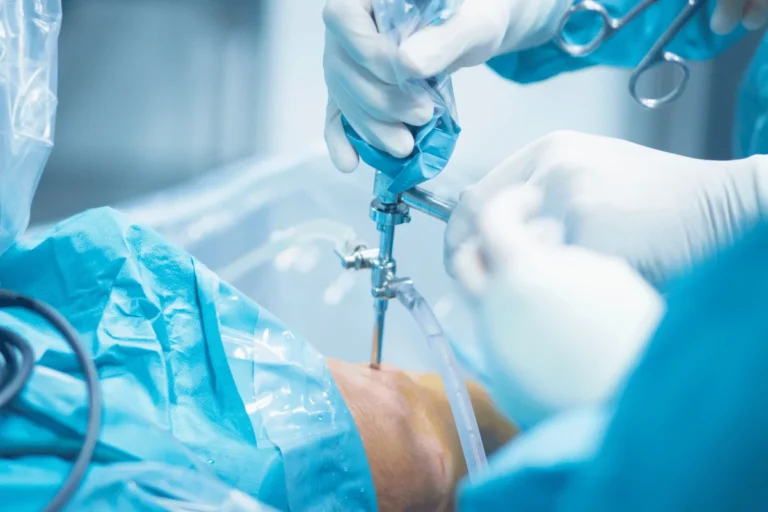
At Lao Orthopedic Services, Dr. Lawrence Lao provides orthopedic care for patients with bone, joint, muscle, tendon, and ligament conditions. With specialty training in Orthopedic Traumatology and advanced fellowship training in Hip and Knee Reconstruction, along with Sports Surgery and Arthroscopy, Dr. Lao offers comprehensive orthopedic evaluation and treatment for children, teenagers, and adults throughout Naga City, Camarines Sur, and nearby communities.
What Is Pediatric Orthopedics?
Pediatric orthopedics focuses on diagnosing and treating musculoskeletal conditions affecting infants, children, and adolescents. Since children’s bones continue to grow, they require medical care that considers their unique anatomy and future development.
Searching for pediatric orthopedic Naga often means parents are looking for answers about persistent pain, unusual walking patterns, sports injuries, or concerns about their child’s posture. A pediatric orthopedic evaluation helps determine whether a condition is part of normal growth or requires treatment.
How Children’s Bones Differ From Adults
Children’s bones contain growth plates, which are areas of developing cartilage located near the ends of long bones. These growth plates allow bones to lengthen as children grow.
Because of this, children’s injuries differ from adult injuries. A fracture that seems minor could involve a growth plate and may affect future bone development if left untreated.
Children also tend to heal more quickly than adults. Even so, proper diagnosis remains important because healing in the wrong position may lead to future problems with movement or alignment.
Why Early Diagnosis Matters
Early orthopedic evaluation provides several benefits for growing children.
It allows doctors to identify conditions before they worsen, recommend treatment at the most appropriate time, reduce discomfort, and support healthy bone and joint development. Early care may also reduce the need for more extensive treatment later.
Parents searching for pediatric orthopedic Naga should not wait until symptoms become severe if a child continues to experience pain, swelling, limping, or difficulty moving.
Common Conditions Treated by a Pediatric Orthopedic Specialist
Children may develop orthopedic conditions from injuries, sports participation, birth differences, or normal growth. A pediatric orthopedic evaluation helps determine the most appropriate course of care.
Broken Bones and Fractures
Falls from playground equipment, bicycles, stairs, or sports activities are common causes of fractures among children.
Although children’s bones often heal well, every fracture deserves careful evaluation to determine whether the injury involves a growth plate or nearby joint.
A physician experienced in pediatric orthopedic Naga care can recommend whether a child needs a cast, brace, observation, or another form of treatment.
Sports-Related Injuries
Sports provide many physical and social benefits, but they also increase the risk of orthopedic injuries.
Young athletes may experience:
- Knee injuries
- Shoulder injuries
- Ankle sprains
- Ligament injuries
- Tendon injuries
- Meniscus injuries
- Muscle strains
Prompt medical evaluation allows children to begin treatment before an injury becomes more complicated.
Walking Problems
Parents often notice changes in the way their child walks before the child complains of pain.
Walking concerns may include:
- Limping
- Toe walking
- Flat feet
- Knock knees
- Bow legs
- Walking with one foot turned inward or outward
Some of these conditions improve naturally during growth, while others benefit from orthopedic evaluation and follow-up.
Hip Conditions
Hip pain should never be ignored, especially when it causes difficulty walking or participating in normal activities.
Children may experience hip stiffness, limited movement, or discomfort after physical activity. Early evaluation helps determine the cause and whether treatment is necessary.
Spine Conditions
Changes in posture or uneven shoulders may indicate spinal conditions such as scoliosis.
Parents should also watch for:
- One shoulder higher than the other
- Uneven hips
- Clothing that hangs unevenly
- Persistent back pain
Routine orthopedic assessment helps identify spinal conditions before they progress.
Congenital Conditions
Some children are born with orthopedic conditions that require monitoring or treatment during infancy or childhood.
Examples include:
- Clubfoot
- Limb differences
- Hip developmental conditions
- Foot deformities
Regular follow-up allows healthcare providers to monitor growth and recommend treatment when needed.
Signs Your Child Should Visit a Pediatric Orthopedic Surgeon
Many parents wonder whether their child’s symptoms require specialized care.
You should consider scheduling an evaluation for pediatric orthopedic Naga if your child experiences:
- Pain lasting more than several days
- Swollen joints
- Difficulty walking
- Frequent falls
- Limping
- Limited joint movement
- Pain during sports
- One leg appearing longer than the other
- Visible deformity after an injury
- Bone or joint pain that interferes with daily activities
Children may not always explain their symptoms clearly. Younger children sometimes avoid activities instead of describing pain, making changes in behavior an important clue.
When Is an Orthopedic Injury an Emergency?
Certain injuries require immediate medical attention.
Parents should seek emergency care if a child has:
- Severe pain after an accident
- An obvious bone deformity
- An open fracture
- Heavy bleeding
- Loss of feeling in the affected limb
- Significant swelling following trauma
- Inability to stand or walk after an injury
After emergency treatment, follow-up with an orthopedic specialist helps guide recovery and monitor healing.
Families looking for pediatric orthopedic Naga services should not delay medical evaluation when serious injuries are suspected.
What Happens During a Pediatric Orthopedic Consultation?
Many parents feel more comfortable once they understand what happens during an orthopedic appointment.
Medical History
The consultation usually begins with questions about the child’s symptoms.
Topics may include:
- When the pain started
- Previous injuries
- Sports participation
- Daily activities
- Medical history
- Family history of orthopedic conditions
These details help identify possible causes of the problem.
Physical Examination
A physical examination allows the orthopedic surgeon to assess how the child’s body moves.
The evaluation may include:
- Walking assessment
- Joint movement
- Muscle strength
- Balance
- Flexibility
- Alignment
- Areas of tenderness
This examination provides valuable information before deciding whether imaging studies are necessary.
Imaging Studies
Depending on the child’s condition, imaging may include:
- X-rays
- MRI
- CT scan
These studies help confirm fractures, ligament injuries, bone abnormalities, or other orthopedic conditions.
Treatment Plan
Treatment depends on the diagnosis, the child’s age, activity level, and stage of growth.
Options may include:
- Observation
- Activity modification
- Physical therapy
- Bracing
- Casting
- Medication for pain management
- Surgery when appropriate
Every treatment plan aims to help children return safely to school, sports, and daily activities.
Can Sports Injuries Affect Growing Children?
Sports injuries deserve careful attention because growing bones respond differently than adult bones.
Growth plate injuries are especially important because these areas remain responsible for future bone growth.
Children who participate in basketball, volleyball, football, gymnastics, martial arts, dance, and running sports may develop injuries involving the knee, ankle, shoulder, or hip.
Common sports injuries include:
- ACL injuries
- Meniscus tears
- Shoulder instability
- Growth plate injuries
- Overuse injuries
- Stress fractures
Early evaluation by a provider offering pediatric orthopedic Naga care allows children to begin appropriate treatment and rehabilitation before returning to sports.
Tips for Keeping Children’s Bones Healthy
Healthy habits support strong bones throughout childhood and adolescence.
Parents can encourage healthy bone development by helping children:
- Stay physically active every day.
- Eat foods rich in calcium.
- Get enough vitamin D.
- Maintain a healthy body weight.
- Wear protective equipment during sports.
- Practice proper exercise techniques.
- Avoid returning to sports too soon after an injury.
- Attend regular medical checkups.
- Seek evaluation for persistent pain or limping.
These simple habits help reduce injury risk while supporting healthy growth.
Why Families Choose Lao Orthopedic Services
Families searching for pediatric orthopedic Naga care want a physician with experience, advanced training, and a patient-centered approach.
Dr. Lawrence Lao has more than 16 years of medical experience and completed specialty training in Orthopedic Traumatology at East Avenue Medical Center.
He also completed advanced fellowship training in Hip and Knee Reconstruction at Chang Gung University in Taipei, Taiwan, followed by Sports Surgery and Arthroscopy training at Thammasat University in Thailand.
Patients visit Lao Orthopedic Services for evaluation and treatment of orthopedic injuries, joint conditions, sports injuries, fractures, and other musculoskeletal concerns. Every treatment plan is based on the patient’s condition, goals, and recommended course of care.
Conveniently serving patients from Naga City, Camarines Sur, Legazpi, and neighboring communities throughout the Bicol Region, Lao Orthopedic Services is committed to helping patients restore movement and improve their quality of life.
Takeaway
Children depend on healthy bones and joints to learn, play, and stay active. While many minor injuries improve with rest, persistent pain, limping, swelling, or changes in movement should never be ignored. Early evaluation gives families clear answers and helps identify treatment options that support healthy growth.
If you are searching for pediatric orthopedic Naga, Lao Orthopedic Services provides comprehensive orthopedic evaluation and treatment for children with fractures, sports injuries, joint conditions, walking concerns, and other musculoskeletal problems. With extensive training and years of clinical experience, Dr. Lawrence Lao is dedicated to helping young patients recover safely and return to the activities they enjoy.
Frequently Asked Questions
Is pediatric orthopedic care different from adult orthopedic care?
Yes. Children’s bones are still developing and contain growth plates. Treatment decisions consider future bone growth as well as current healing.
Does every broken bone require surgery?
No. Many childhood fractures heal successfully with casting, splinting, or careful observation. Surgery is recommended only when medically appropriate.
Can sports injuries heal without surgery?
Some sports injuries respond well to rest, physical therapy, and rehabilitation. Others may require surgical treatment depending on the severity of the injury.
When should my child see a pediatric orthopedic specialist?
Children should be evaluated if they have persistent pain, limping, repeated injuries, difficulty walking, swollen joints, limited movement, or a suspected fracture.
Should I worry if my child keeps limping?
Yes. A limp that continues for several days or returns repeatedly should be evaluated to determine the underlying cause.
When should scoliosis be checked?
Parents should schedule an evaluation if they notice uneven shoulders, uneven hips, or changes in posture. Early detection allows treatment recommendations before the curve progresses.
Can flat feet cause pain?
Many children with flat feet have no symptoms. However, children with persistent foot pain, fatigue, or difficulty participating in activities should receive an orthopedic evaluation.
Do I need a referral before visiting Lao Orthopedic Services?
Referral requirements depend on your health insurance provider. Many patients can schedule an orthopedic consultation directly, although it is always helpful to confirm coverage with your insurance company before your visit.