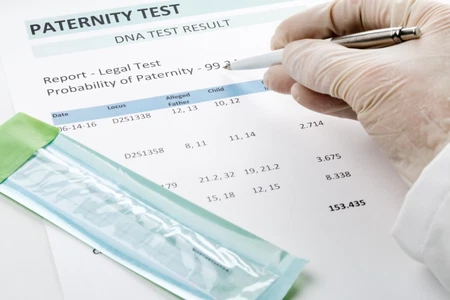

Pregnancy brings many important decisions, and prenatal screening can help expecting parents understand more about their developing baby. One option that has gained significant attention is noninvasive prenatal testing, commonly known as NIPT. For families searching for reliable prenatal screening options, understanding how NIPT Philippines services work can make discussions with an obstetrician more productive. NIPT uses a maternal blood sample to screen for certain chromosomal conditions without requiring a procedure to enter the uterus. The test can provide valuable information early in pregnancy, although it does not diagnose every possible genetic or developmental condition. Current professional guidance recognizes cell-free DNA screening as a highly sensitive and specific screening option for common fetal aneuploidies. Understanding its purpose, timing, benefits, limitations, and possible results can help parents approach prenatal testing with greater confidence.
What Is NIPT Philippines?
NIPT, or noninvasive prenatal testing, is a prenatal screening method that analyzes cell-free DNA circulating in a pregnant woman’s bloodstream. Some of this DNA originates from the placenta and can provide information about the likelihood of certain chromosomal conditions affecting the pregnancy. NIPT Philippines refers to the availability and use of this type of prenatal screening for expecting parents in the Philippines. Unlike diagnostic procedures that require obtaining fetal or placental cells through an invasive procedure, NIPT generally requires only a maternal blood sample. The test is primarily used to screen for common chromosomal conditions, including trisomy 21, trisomy 18, and trisomy 13. It is important to understand that NIPT is a screening test, meaning that a result indicates a likelihood or risk rather than providing a definitive diagnosis. Because individual circumstances vary, patients should discuss prenatal genetic screening options with their obstetrician or an appropriately qualified healthcare professional.
How Does NIPT Work?
The NIPT process begins with a blood sample collected from the pregnant patient. The sample contains cell-free DNA, including DNA fragments released from the placenta into the bloodstream. Laboratory analysis examines these DNA fragments for patterns associated with particular chromosomal differences. The process does not require inserting a needle into the uterus or collecting a sample directly from the fetus. This is why the procedure is described as noninvasive compared with diagnostic procedures such as amniocentesis or chorionic villus sampling. After laboratory analysis, the findings are generally reported as a screening result that indicates whether the likelihood of selected chromosomal conditions is lower or higher. The exact laboratory methods, conditions tested, reporting format, and available panels can vary, so patients should ask their healthcare provider or laboratory what their specific NIPT package includes.
What Conditions Can NIPT Screen For?
One of the primary reasons families consider NIPT Philippines services is to screen for common fetal chromosomal conditions. The three major aneuploidies commonly evaluated are trisomy 21, trisomy 18, and trisomy 13. Trisomy 21 is associated with Down syndrome, while trisomy 18 is associated with Edwards syndrome and trisomy 13 is associated with Patau syndrome. Some NIPT panels may also offer screening for sex chromosome aneuploidies, although the availability and recommended use of these options can vary. Some laboratories may advertise expanded panels that include additional genetic conditions or chromosomal findings, but broader testing should be evaluated carefully with a healthcare professional. Current ACOG guidance does not recommend routine general-population cfDNA screening for microdeletion conditions and advises appropriate counseling when such testing is considered. Patients should therefore look beyond the number of conditions listed in a package and understand exactly what the laboratory has validated its test to screen for.
When Can You Take NIPT?
Timing is an important consideration when arranging NIPT during pregnancy. Cell-free DNA testing can generally be performed beginning at around 10 weeks of pregnancy, although individual laboratory requirements may differ. Testing too early may result in insufficient fetal or placental DNA being available for the laboratory to generate a reportable result. The amount of placental DNA represented in the maternal bloodstream is often discussed in terms of fetal fraction, which can affect whether testing produces a usable result. A result that cannot be reported is sometimes referred to as a no-call or nonreportable result. Current guidance recommends that patients with nonreportable cfDNA results receive appropriate counseling and further evaluation because such results can be associated with an increased risk of aneuploidy. Before scheduling NIPT Philippines testing, patients should confirm their gestational age with their healthcare provider and ask the laboratory about its specific testing requirements.
What Happens During an NIPT Appointment?
An NIPT appointment is generally straightforward because the primary sample required is a maternal blood specimen. Before testing, the healthcare provider may review the pregnancy history, gestational age, ultrasound findings, and other information relevant to prenatal screening. The patient’s blood is then collected by a trained healthcare professional using a standard blood-draw procedure. The sample is labeled and processed according to the laboratory’s requirements before genetic analysis takes place. Depending on the provider and laboratory, the sample may be processed locally or sent to another laboratory for specialized analysis. Patients should ask how results will be delivered, how long processing is expected to take, and who will explain the findings. Understanding the process beforehand can reduce uncertainty and help expecting parents know what to expect from their NIPT Philippines appointment.
Understanding NIPT Results
NIPT results can generally indicate a lower-risk or higher-risk screening result for the chromosomal conditions included in the test. A low-risk result means that the likelihood of the targeted condition is substantially reduced, but it does not guarantee that the fetus is unaffected. A high-risk or positive screening result means that the likelihood of the targeted condition is higher and that additional evaluation may be appropriate. A positive NIPT result does not automatically mean that the fetus definitely has a chromosomal condition because false-positive results can occur. Current ACOG guidance recommends genetic counseling, comprehensive ultrasound evaluation, and an opportunity for diagnostic testing after a positive cfDNA screening result. Diagnostic procedures such as CVS or amniocentesis may be discussed when confirmation of a suspected chromosomal condition is needed. Patients should therefore avoid making major medical decisions based solely on a screening report and should instead discuss the findings with their healthcare team.
NIPT Compared With Other Prenatal Screening Options
NIPT is one component of prenatal screening rather than a replacement for every other pregnancy assessment. Traditional prenatal screening may involve maternal blood tests, ultrasound examinations, or a combination of different approaches. NIPT specifically analyzes cell-free DNA for selected chromosomal conditions and is recognized as the most sensitive and specific screening test for common fetal aneuploidies. Ultrasound provides different information because it can evaluate fetal growth, anatomy, development, and certain structural findings that may not be detected through NIPT. ACOG recommends that all patients be offered an anatomic ultrasound during the second trimester to evaluate fetal structural abnormalities regardless of the aneuploidy screening method chosen. Diagnostic procedures such as amniocentesis and CVS differ from NIPT because they can provide diagnostic information rather than simply estimating risk. Discussing these distinctions with an obstetrician can help patients choose an appropriate prenatal testing strategy for their individual circumstances.
Benefits of Choosing NIPT Philippines
One major benefit of NIPT is that it provides screening information through a maternal blood sample rather than an invasive fetal sampling procedure. This makes it an attractive option for expecting parents who want information about common chromosomal conditions without undergoing an invasive diagnostic procedure as their initial screening step. NIPT can also be performed relatively early in pregnancy, with cell-free DNA screening generally available beginning at 10 weeks. The test has strong screening performance for common aneuploidies, particularly trisomies 21, 18, and 13. Receiving screening information earlier may give patients and their healthcare providers more time to discuss appropriate follow-up options when needed. Current guidance supports making cfDNA screening for common aneuploidies routinely available to obstetrical patients after appropriate counseling. Ultimately, the value of NIPT comes from helping patients make informed prenatal care decisions rather than from treating the test as a guarantee about pregnancy outcomes.
Limitations and Important Considerations Before NIPT
Although NIPT is a powerful screening tool, it does not evaluate every possible genetic condition, birth defect, or fetal health concern. A low-risk result cannot rule out every genetic disorder or structural abnormality. Similarly, a high-risk result does not establish a diagnosis by itself. False-positive and false-negative results remain possible because NIPT is a screening method rather than a diagnostic test. A nonreportable result may also require additional counseling and evaluation rather than simply being interpreted as a normal result. Certain pregnancy circumstances, including some multifetal pregnancies and situations involving a vanishing twin, can make cell-free DNA results more difficult to interpret. These limitations make professional counseling an important part of the NIPT Philippines testing process.
How to Choose an NIPT Provider in the Philippines
Choosing an NIPT provider involves more than comparing prices between different testing packages. Patients should first determine which laboratory performs the test and what specific conditions are included in the selected panel. It is also useful to ask about the laboratory’s requirements for gestational age, sample collection, processing, and reporting. Patients should understand whether a physician or genetic counselor is available to help explain the results. Another important consideration is what happens if the result is positive, inconclusive, or nonreportable. A provider that offers clear guidance about follow-up can make the testing experience easier to navigate. When comparing NIPT Philippines options, expecting parents should consider laboratory quality, medical support, test scope, result interpretation, and follow-up services alongside cost.
Preparing for an NIPT Consultation
Preparing questions before an NIPT consultation can help expecting parents make better-informed decisions. Patients may want to ask which chromosomal conditions are included in the test and whether optional screening categories are available. It is also helpful to ask what a low-risk, high-risk, or nonreportable result could mean for the next stage of prenatal care. Patients can discuss their pregnancy history, ultrasound findings, gestational age, and any concerns with their obstetrician before testing. Understanding the difference between screening and diagnosis is especially important because a screening result may need confirmation through diagnostic testing. Genetic counseling can be useful when patients want a more detailed explanation of potential results and their implications. Current professional guidance emphasizes patient-centered counseling and recognizes that patients have the right to accept or decline prenatal genetic screening after discussing their options with a healthcare professional.
Frequently Asked Questions About NIPT Philippines
Is NIPT safe during pregnancy?
NIPT is performed using a maternal blood sample and does not require a procedure to enter the uterus. Because of this, it is considered a noninvasive prenatal screening method. Patients should still discuss whether it is appropriate for their particular pregnancy with their healthcare provider.
How early can NIPT be performed?
Cell-free DNA testing can generally be performed beginning at about 10 weeks of pregnancy. Specific laboratories may have their own requirements, so patients should confirm the appropriate testing window before scheduling.
Does NIPT diagnose Down syndrome?
No. NIPT screens for the likelihood of Down syndrome and other selected chromosomal conditions. A high-risk screening result should be followed by appropriate medical counseling and consideration of diagnostic testing.
What does a high-risk NIPT result mean?
A high-risk result means the pregnancy has an increased likelihood of the specific chromosomal condition being screened for. It does not automatically mean that the fetus has that condition. Healthcare professionals may recommend genetic counseling, detailed ultrasound evaluation, and diagnostic testing to determine whether the condition is actually present.
What does a low-risk NIPT result mean?
A low-risk result substantially decreases the likelihood of the targeted chromosomal conditions. However, it cannot guarantee that the fetus has no genetic disorder, structural abnormality, or other health concern. Routine prenatal monitoring and appropriate ultrasound examinations remain important.
Is NIPT recommended for every pregnant patient?
Current ACOG guidance recommends that cfDNA screening for common aneuploidies be made routinely available to all obstetrical patients. However, every patient can decide whether to pursue prenatal genetic screening after discussing the benefits, limitations, and alternatives with a healthcare professional.
Is NIPT the same as amniocentesis?
No. NIPT is a noninvasive screening test performed using a maternal blood sample, while amniocentesis is an invasive diagnostic procedure that obtains a sample of amniotic fluid. The two tests serve different purposes and should not be treated as interchangeable.
Can NIPT replace an ultrasound?
NIPT cannot replace the information provided by ultrasound. NIPT primarily screens for selected chromosomal conditions, while ultrasound can evaluate fetal anatomy and identify structural abnormalities. ACOG recommends an anatomic survey during pregnancy regardless of the selected aneuploidy screening method.
What should I do if my NIPT result is positive?
Contact your obstetrician or qualified healthcare professional and discuss the result before making decisions based on the screening report. Genetic counseling, detailed ultrasound evaluation, and diagnostic testing may be recommended to clarify the finding.
How should I choose an NIPT provider in the Philippines?
Look at the laboratory performing the test, conditions included in the panel, medical support, reporting process, counseling availability, and follow-up options. Cost is worth considering, but it should not be the only factor when evaluating an NIPT Philippines provider.
Takeaway
NIPT Philippines provides expecting parents with access to an important form of prenatal genetic screening using a maternal blood sample. The test can screen for common chromosomal conditions such as trisomy 21, trisomy 18, and trisomy 13 and can generally be performed from around 10 weeks of pregnancy. Its noninvasive nature and strong screening performance make it an option worth discussing with an obstetrician. At the same time, NIPT should never be treated as a definitive diagnosis or as a complete assessment of fetal health. A positive result generally requires appropriate follow-up, while a low-risk result does not eliminate the need for routine prenatal care and ultrasound evaluation. By understanding what NIPT can provide, what its limitations are, and how results may influence follow-up care, expecting parents can approach prenatal screening with greater clarity and confidence.