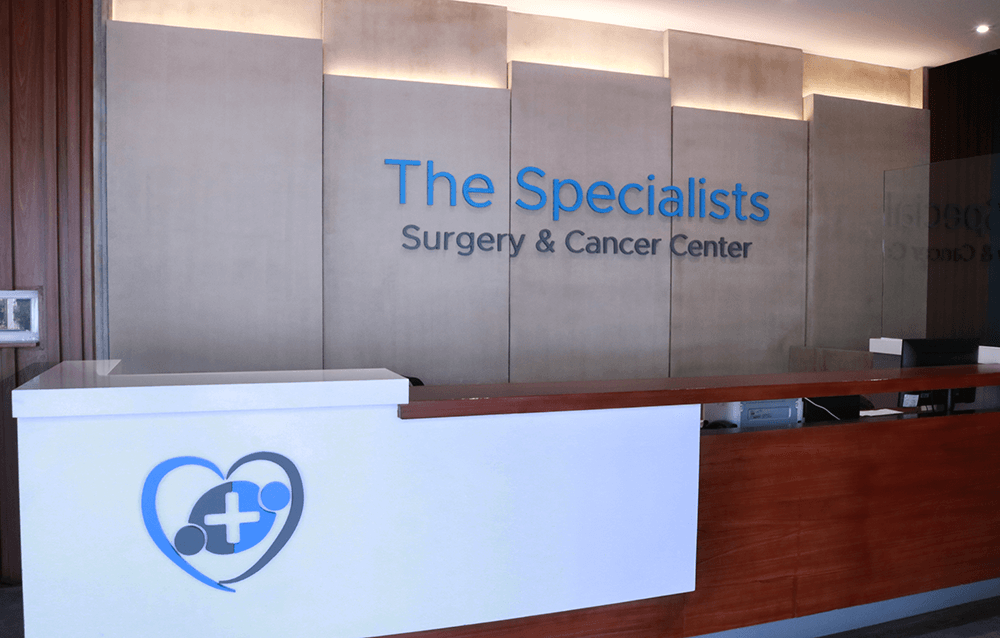
Proper wound care is essential for recovery, especially when injuries or chronic conditions slow the healing process. Debridement plays a critical role in managing wounds that are infected, damaged, or slow to heal. At The Specialist Surgery & Cancer Center (TSSCC) in Quezon City, patients receive expert Debridement from skilled doctors, ensuring safe recovery while minimizing the risk of complications and hospital-acquired infections. Residents of Metro Manila and other regions in the Philippines trust TSSCC for reliable, precise, and affordable wound care services designed to support faster healing and overall health.
Debridement is more than a procedure. It is a vital step in preventing infection, promoting healthy tissue growth, and preparing the wound for closure or additional wound care treatments. TSSCC uses advanced wound-care principles in a clean, patient-focused environment to provide treatment that is both effective and comfortable. With careful attention to each patient’s needs, Debridement at TSSCC helps reduce the burden of unnecessary hospital visits while providing a cost-effective alternative to traditional hospital care.
What Is Debridement?
Debridement is a medical procedure that involves the careful removal of dead, damaged, or infected tissue from a wound. Removing non-viable tissue allows healthy tissue to regenerate and accelerates the natural healing process. Debridement also helps control infection, which is particularly important for patients with chronic wounds, post-surgical wounds, or injuries at risk of becoming necrotic.
The goal of Debridement is not just to clean a wound but to prepare it for optimal healing. By eliminating tissue that impedes recovery, doctors at TSSCC ensure that wounds have the best environment for regeneration and closure. This process may also be combined with other advanced wound management techniques, such as specialized dressings, antibiotic therapy, or post-procedure care, to improve outcomes.
At TSSCC, Debridement is performed by experienced doctors who have extensive knowledge of wound classifications and treatment strategies. Their expertise allows for precise and safe removal of damaged tissue while minimizing pain and complications. Each procedure is tailored to the patient’s unique condition, whether dealing with chronic ulcers, post-surgical wounds, or traumatic injuries.
Who Needs Debridement?
Debridement is recommended for wounds that are slow to heal, infected, or blocked by dead tissue. Patients with certain chronic conditions or injuries may benefit most from this procedure. Common scenarios include chronic wounds such as diabetic ulcers or pressure sores, post-surgical wounds with delayed healing, and traumatic injuries with visible tissue damage. Infected or necrotic wounds also require timely Debridement to prevent further complications and support proper healing. Venous ulcers or wounds with persistent inflammation can similarly benefit from this procedure, as removing dead tissue encourages healthy tissue regrowth and accelerates recovery.
Filipinos with limited mobility, chronic illnesses, or wounds prone to infection gain significant advantage from early intervention through Debridement. Many patients from Metro Manila and surrounding areas choose TSSCC for its focus on early diagnosis, expert assessment, and individualized care plans. By addressing wounds promptly, patients reduce the risk of complications, limit the need for extended hospital stays, and improve their overall prognosis.
Why Early Treatment Matters
Delaying treatment for wounds can lead to serious health consequences. Without proper care, wounds may become infected, heal slowly, or develop into chronic conditions that require extensive intervention. Debridement performed early ensures that damaged tissue is removed promptly, allowing the body to heal more efficiently.
Hospital visits can be stressful, time-consuming, and expensive. Long waiting periods, crowded clinics, and exposure to other illnesses often discourage patients from seeking early care. Cost concerns may also lead individuals to delay treatment, hoping minor injuries will heal on their own. Neglecting early symptoms increases the risk of more serious complications, which often require invasive procedures and higher medical expenses.
TSSCC provides an alternative by offering outpatient Debridement procedures that reduce waiting times and allow patients to recover at home. This approach minimizes exposure to hospital-acquired infections and provides a more comfortable, supportive environment for healing. Early treatment through Debridement helps patients avoid the challenges associated with delayed care while improving outcomes and lowering overall costs.
How TSSCC Provides Debridement
Patients at TSSCC experience a structured approach to wound care that begins with a thorough assessment. Doctors evaluate the wound type, location, and severity to determine the most appropriate Debridement technique. This assessment includes identifying signs of infection, tissue necrosis, or inflammation that may interfere with healing.
During the Debridement procedure, trained doctors carefully remove dead or damaged tissue using precise techniques designed to minimize discomfort and reduce the risk of complications. Depending on the wound type and severity, doctors may use surgical instruments, specialized dressings, or other advanced tools to ensure optimal care. Throughout the process, patient safety and comfort remain top priorities.
After Debridement, patients receive individualized care plans that include wound monitoring, dressing changes, and follow-up appointments. Doctors provide guidance on preventing infection, promoting tissue regeneration, and ensuring proper healing at home. TSSCC emphasizes value-for-money services, allowing patients to access high-quality care without financial strain. This approach encourages early treatment and supports overall wellness for residents across Metro Manila and the Philippines.
Benefits of Choosing TSSCC for Debridement
Choosing TSSCC for Debridement offers multiple advantages. Patients experience faster healing, reduced risk of infection, and professional care from skilled doctors. Outpatient procedures allow for comfortable recovery at home while minimizing exposure to hospital-based illnesses. Transparent and affordable pricing makes it easier for patients to seek treatment early, preventing minor wounds from developing into serious complications.
The focus on patient-centered care ensures that each individual receives a tailored plan designed to meet their specific needs. From chronic ulcers to post-surgical wounds, doctors at TSSCC provide precise, effective Debridement and ongoing support to promote long-term health. Residents of Quezon City and nearby areas consistently choose TSSCC for its commitment to quality, affordability, and accessible wound care.
Prevention and Aftercare Tips
Proper aftercare following Debridement is essential for maintaining wound health and preventing complications. Patients should monitor wounds closely, maintain cleanliness, and follow medical guidance on dressing changes and medication use. Chronic conditions such as diabetes may require regular checkups to manage wounds effectively and prevent recurrence.
Simple preventive measures can also help reduce the risk of wounds requiring Debridement. Maintaining good hygiene, promptly addressing minor injuries, and seeking early evaluation for any persistent wound issues can support faster healing and reduce complications. TSSCC provides education and guidance to help patients manage wound care effectively and maintain overall health.
Your Path to Safe and Effective Wound Care
Debridement at The Specialist Surgery & Cancer Center is designed to provide safe, precise, and affordable wound care. Patients from Metro Manila and other parts of the Philippines trust TSSCC for expert assessment, treatment, and follow-up. By offering outpatient procedures, patient-focused care, and value-for-money pricing, TSSCC ensures that each patient receives the attention and treatment necessary to promote fast recovery and long-term wellness.
Expert Debridement allows patients to address wounds early, minimize complications, and improve overall health outcomes. TSSCC’s team of skilled doctors combines medical expertise with advanced wound-care techniques to deliver personalized treatment plans that meet the unique needs of every patient.
Frequently Asked Questions (FAQ)
What is Debridement and why is it necessary?
Debridement is the medical removal of dead, infected, or damaged tissue from a wound. It is necessary to prevent infection, encourage healthy tissue growth, and promote faster wound healing.
Is Debridement painful?
Debridement may cause mild discomfort, but procedures at TSSCC are performed under careful medical supervision to minimize pain. Doctors use techniques that ensure safe and precise tissue removal while keeping patients as comfortable as possible.
How long does healing take after Debridement?
Healing time varies depending on the type and severity of the wound, patient health, and adherence to aftercare instructions. Most patients notice significant improvement within days to weeks, with ongoing recovery supported by proper wound management.
Who can benefit from Debridement?
Patients with chronic wounds, post-surgical wounds, traumatic injuries, infected wounds, or venous ulcers can benefit from Debridement. Early intervention is particularly important for individuals with chronic conditions or limited mobility.
Can Debridement prevent hospitalization?
Yes. Timely Debridement reduces the risk of infection and complications, which often prevents the need for extended hospital stays. Outpatient care at TSSCC allows patients to recover safely at home.
Why choose The Specialist Surgery & Cancer Center for Debridement?
TSSCC provides expert Debridement in a clean, patient-focused environment. Outpatient procedures, skilled doctors, affordable pricing, and personalized care make TSSCC a trusted choice for residents of Quezon City, Metro Manila, and other regions of the Philippines.