
Clear vision plays a major role in maintaining independence, productivity, and overall quality of life. Many people experience gradual changes in their eyesight as they age, often dismissing these symptoms as a normal part of growing older. However, vision changes may be linked to cataracts, one of the most common eye conditions affecting adults worldwide.
A Cataract evaluation exam in Naga provides an opportunity to identify cataracts early and determine the most appropriate course of action before vision problems become severe. Early assessment allows patients to understand the condition of their eyes, receive professional guidance, and make informed decisions about their eye health.
Lee Tan Eye Clinic is committed to providing comprehensive eye care through detailed examinations, personalized treatment plans, and preventive eye health strategies. Led by Dr. Lee Tan, a board-certified ophthalmologist with advanced glaucoma fellowship training, the clinic focuses on preserving vision and helping patients achieve the best possible visual outcomes.
Understanding Cataracts and How They Affect Vision
What Are Cataracts?
A cataract develops when the natural lens of the eye becomes cloudy. Under normal circumstances, the lens is clear and helps focus light onto the retina, allowing people to see clearly. As cataracts develop, vision gradually becomes blurred, making daily activities more difficult.
Aging remains the most common cause of cataracts. However, other factors may increase the likelihood of developing the condition. These include diabetes, long-term use of certain medications, eye injuries, excessive exposure to ultraviolet light, smoking, and family history.
Because cataracts typically develop slowly, many people may not notice symptoms during the early stages. A Cataract evaluation exam in Naga helps identify these changes before they significantly affect daily life.
Common Symptoms of Cataracts
Several symptoms may indicate the presence of cataracts. Patients often report blurry or cloudy vision that does not improve with updated eyeglasses. Reading, driving, and recognizing faces may become more challenging over time.
Other common symptoms include increased sensitivity to bright lights, glare from headlights at night, fading colors, and frequent prescription changes. Some individuals may also experience double vision in one eye.
Whenever these symptoms occur, scheduling a Cataract evaluation exam in Naga can help determine whether cataracts are responsible for the visual changes.
Why a Cataract Evaluation Exam in Naga Is Important
Detecting Cataracts at the Right Time
Early detection allows eye specialists to monitor cataract progression and recommend suitable treatment options based on the patient’s needs. Cataracts do not always require immediate surgery, making regular assessments valuable for determining the appropriate timing of treatment.
A Cataract evaluation exam in Naga provides detailed information about lens clarity and visual function, helping patients understand the severity of their condition.
Identifying Other Eye Conditions
Vision problems are not always caused solely by cataracts. Other eye conditions may produce similar symptoms and can affect overall eye health.
Comprehensive examinations can help identify glaucoma, retinal diseases, macular degeneration, diabetic eye disease, and other conditions that may threaten vision if left untreated. Since Dr. Lee Tan has advanced fellowship training in glaucoma, patients benefit from a thorough evaluation that considers the complete health of the eyes.
Creating a Personalized Treatment Plan
Each patient’s visual needs are unique. Some individuals may require treatment sooner due to work demands, lifestyle requirements, or the impact of cataracts on daily activities.
A Cataract evaluation exam in Naga allows the ophthalmologist to create a customized management plan based on individual circumstances, ensuring that treatment recommendations align with the patient’s goals.
Who Should Consider a Cataract Evaluation Exam in Naga?
Adults Over 60
Age remains one of the strongest risk factors for cataract development. Adults over 60 should prioritize regular eye examinations to monitor changes that may affect vision.
Routine assessments can identify cataracts before symptoms become severe and support better long-term eye health.
Individuals Experiencing Vision Changes
Any noticeable decline in visual quality deserves professional attention. Blurry vision, glare sensitivity, difficulty reading, or reduced night vision should not be ignored.
A Cataract evaluation exam in Naga helps determine the cause of these symptoms and provides guidance regarding available treatment options.
People with Medical Conditions Affecting Eye Health
Certain health conditions increase the risk of cataract development. Diabetes is particularly associated with earlier cataract formation and faster progression.
Patients with diabetes should undergo regular eye examinations to monitor their vision and detect complications as early as possible.
Patients with a Family History of Eye Disease
Family history can influence the likelihood of developing various eye conditions, including cataracts and glaucoma. Individuals with close relatives who have experienced vision problems may benefit from routine screenings and ongoing monitoring.
What Happens During a Cataract Evaluation Exam in Naga?
Review of Medical and Vision History
The examination typically begins with a discussion about medical history, medications, symptoms, and previous eye conditions. Understanding the patient’s background helps guide the evaluation process.
Patients are encouraged to discuss any changes they have noticed in their vision, regardless of how minor they may seem.
Comprehensive Vision Testing
Visual acuity testing measures how clearly a person can see at various distances. Additional assessments may determine whether updated eyeglasses or contact lenses can improve visual performance.
Refraction testing helps identify refractive errors and evaluate overall visual quality.
Detailed Eye Examination
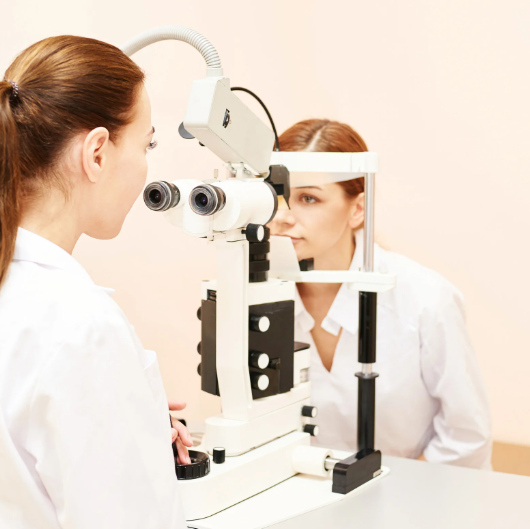
A Cataract evaluation exam in Naga includes a careful examination of the eye’s internal structures. Specialized instruments allow the ophthalmologist to inspect the lens and determine the extent of cataract development.
This assessment helps establish whether cataracts are contributing to visual difficulties and whether treatment may be beneficial.
Glaucoma and Eye Pressure Screening
Eye pressure measurements are often performed during the examination. Elevated eye pressure may indicate glaucoma, a condition that can damage the optic nerve and lead to permanent vision loss.
Detecting glaucoma early allows for timely management and improved visual outcomes.
Dilated Eye Examination
Eye drops may be used to dilate the pupils, providing a clearer view of the retina and optic nerve. This portion of the examination helps identify retinal diseases and other conditions that may affect vision.
A dilated examination offers valuable information about the overall health of the eyes and supports accurate diagnosis.
Benefits of Choosing a Comprehensive Cataract Evaluation
Accurate Diagnosis
Visual symptoms may arise from multiple causes. A thorough examination helps identify the exact reason for vision changes and ensures that treatment decisions are based on accurate information.
A Cataract evaluation exam in Naga provides patients with a clear understanding of their eye health and available options.
Better Treatment Planning
Treatment recommendations vary depending on cataract severity, visual needs, and overall eye health. Some patients may benefit from monitoring, while others may be candidates for surgery.
Comprehensive assessments help determine the most suitable approach for each individual.
Preserving Long-Term Vision
Regular examinations support early detection and ongoing management of eye conditions. Maintaining eye health through routine evaluations can reduce the risk of preventable vision loss and promote better visual function throughout life.
Why Patients Trust Lee Tan Eye Clinic for Cataract Evaluation Exam in Naga
Expertise in Comprehensive Ophthalmologic Care
Dr. Lee Tan brings extensive education, training, and clinical experience to every patient consultation. His background includes residency training at the University of the Philippines–Philippine General Hospital and advanced fellowship training in glaucoma.
Patients benefit from comprehensive evaluations performed with careful attention to detail and clinical accuracy.
Patient-Centered Approach
Every patient receives individualized care designed around their specific needs and visual goals. Treatment plans are carefully developed to address personal concerns while supporting long-term eye health.
This patient-focused philosophy remains a core part of the clinic’s approach to ophthalmologic care.
Focus on Prevention and Early Detection
Lee Tan Eye Clinic strongly believes that prevention and early diagnosis remain among the most effective ways to protect vision. Regular examinations help identify problems before they progress and create opportunities for timely treatment.
Modern Diagnostic Techniques
A Cataract evaluation exam in Naga at Lee Tan Eye Clinic involves detailed assessments and modern diagnostic methods that support accurate clinical decision-making. These evaluations help ensure patients receive appropriate recommendations based on their condition.
When Cataract Surgery May Become an Option
Signs That Cataracts Are Affecting Daily Life
Cataract surgery may become appropriate when vision problems begin interfering with daily activities. Difficulty driving, reading, working, watching television, or recognizing faces may indicate that treatment should be considered.
Each patient’s situation is different, making professional evaluation essential.
How Evaluation Results Guide Surgical Decisions
The results of a Cataract evaluation exam in Naga help determine whether surgery may improve vision and quality of life. Factors such as cataract severity, overall eye health, and patient goals are considered during decision-making.
Preparing for Successful Outcomes
Thorough pre-operative evaluation supports better surgical planning and improved outcomes. Understanding the condition of the eye before surgery helps guide treatment strategies and patient expectations.
Tips for Maintaining Healthy Vision as You Age
Schedule Regular Eye Examinations
Routine eye exams remain one of the most effective ways to monitor vision and detect eye diseases early.
Manage Chronic Health Conditions
Controlling diabetes, hypertension, and other medical conditions can help reduce the risk of vision complications.
Protect Your Eyes from UV Exposure
Wearing sunglasses that block ultraviolet rays may help protect the eyes from sun-related damage.
Maintain a Healthy Lifestyle
Balanced nutrition, regular exercise, adequate sleep, and avoiding smoking contribute to overall eye health.
Report Vision Changes Promptly
Any sudden or gradual changes in vision should be evaluated by an eye care professional as soon as possible.
Take the First Step Toward Clearer Vision with a Cataract Evaluation Exam in Naga
Vision changes should never be ignored, especially when they affect daily activities and quality of life. A Cataract evaluation exam in Naga offers valuable insights into the health of the eyes and helps identify cataracts before they significantly impact vision.
Through comprehensive assessments, personalized care, and a strong focus on prevention, Lee Tan Eye Clinic helps patients make informed decisions about their eye health. Early detection, accurate diagnosis, and timely treatment remain essential for preserving vision and maintaining independence for years to come.
Frequently Asked Questions About Cataract Evaluation Exam in Naga
What is included in a Cataract evaluation exam in Naga?
The examination typically includes visual acuity testing, refraction assessment, lens evaluation, eye pressure measurement, dilated eye examination, and a review of medical history.
How long does a cataract evaluation take?
Most evaluations can be completed within one to two hours, depending on the tests required and whether pupil dilation is performed.
At what age should I start getting checked for cataracts?
Adults over 60 should have regular eye examinations. Individuals with risk factors such as diabetes or a family history of eye disease may benefit from earlier assessments.
Does having cataracts mean I need surgery immediately?
Not necessarily. Many patients can safely monitor cataracts until symptoms begin affecting daily activities. A Cataract evaluation exam in Naga helps determine the most appropriate timing for treatment.
Can a cataract evaluation detect other eye problems?
Yes. Comprehensive examinations may identify glaucoma, retinal conditions, diabetic eye disease, macular degeneration, and other vision-threatening disorders.
How often should I schedule a cataract evaluation?
The recommended frequency depends on age, eye health, and risk factors. Your ophthalmologist can provide personalized guidance based on your individual needs.