
DNA testing has become an important scientific method for determining biological relationships between individuals. In the Philippines, people may consider DNA testing for many reasons, including questions about paternity, maternity, sibling relationships, and other family connections. Modern laboratory testing can examine specific genetic markers and compare them between participants to determine whether a biological relationship is supported. Because family relationships can involve emotional, financial, and legal concerns, understanding how the process works is important before arranging a test. DNA testing can provide valuable scientific information, but the type of test selected should match the purpose for which the results are needed. A personal DNA test and a legal DNA test may involve different collection and documentation procedures. Knowing these differences can help individuals make informed decisions when looking for DNA Testing Philippines services.
Understanding DNA Testing in the Philippines
DNA is genetic material found in almost every cell of the human body, and it contains information inherited from biological parents. Since children receive genetic material from both biological parents, laboratory professionals can compare specific genetic markers to assess biological relationships. DNA testing uses this principle to provide scientific evidence about whether two or more individuals are biologically related. In the Philippines, paternity testing is one of the most commonly recognized applications of relationship DNA testing. Other tests may examine maternity, sibling relationships, grandparent relationships, or other forms of kinship. The purpose of the test should always be established before samples are collected because different situations can require different testing arrangements. For anyone searching for DNA Testing Philippines, understanding the purpose, procedure, reliability, and documentation requirements is an important starting point.
What Is DNA and How Does DNA Testing Work?
DNA, or deoxyribonucleic acid, is the genetic material that carries inherited biological information. A person’s DNA is unique in most circumstances, which makes genetic analysis useful for distinguishing individuals and evaluating biological relationships. During a DNA test, a laboratory collects a biological sample from each participant and extracts DNA from cells within that sample. A cheek swab is commonly used because cells can be collected from the inside of the mouth without an invasive procedure. The laboratory then examines selected genetic markers and creates a DNA profile for each participant. For relationship testing, the relevant profiles are compared to determine whether the genetic evidence supports the claimed biological relationship. The laboratory uses statistical calculations to help express the strength of the genetic evidence, making the resulting report more meaningful than simply comparing physical characteristics.
Common Types of DNA Testing Available in the Philippines
Paternity DNA testing is designed to determine whether an alleged father is the biological father of a child. Maternity testing can be used when the biological relationship between a mother and child needs to be established. Sibling DNA testing can help evaluate whether two individuals may share one or both biological parents. Grandparent testing can sometimes be considered when a parent is unavailable and the biological relationship needs to be assessed through close relatives. Other kinship tests may involve aunts, uncles, or additional family members depending on the circumstances. Each type of test requires an appropriate testing strategy because the number and identity of participants can influence the strength of the results. When researching DNA Testing Philippines, individuals should select a test based on the specific biological relationship they need to examine rather than choosing a test based only on its name or price.
Paternity DNA Testing in the Philippines
Paternity DNA testing can provide scientific evidence when there is uncertainty about whether a particular man is the biological father of a child. The test generally compares genetic markers from the child with those of the alleged father and may also include the mother when appropriate. Because children inherit genetic material from their biological parents, the child’s genetic profile can be evaluated against the alleged father’s profile. A properly performed test can provide evidence supporting biological paternity or evidence excluding the alleged father. Paternity testing may be considered for personal family questions as well as situations involving legal matters. It can become particularly important when questions about biological parentage affect matters such as family relationships, support, inheritance, or other rights. Anyone arranging paternity testing should first determine whether the results are intended only for personal information or may need to be presented for an official or legal purpose.
How Accurate Is DNA Testing?
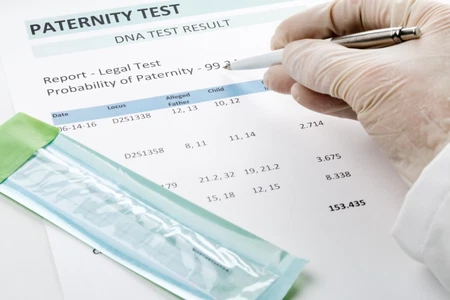
DNA testing is widely regarded as a highly reliable scientific method when samples are properly collected, analyzed, and interpreted. The reliability of a relationship test depends on factors such as the quality of the samples, the genetic markers examined, the participants included, and the laboratory procedures used. Paternity reports commonly use a statistical measure called the Probability of Paternity to express the strength of the genetic evidence. A result supporting paternity may produce a very high probability, while an exclusion means the tested genetic information does not support the alleged biological relationship. Readers should understand that a percentage in a DNA report has a specific scientific meaning and should not be interpreted like an ordinary probability statement. For legal matters, the significance of a DNA result may also depend on applicable rules governing the admission and evaluation of genetic evidence. This is why choosing a qualified testing provider and obtaining an appropriately documented report can be important when looking for DNA Testing Philippines services.
What Samples Are Used for DNA Testing?
DNA testing requires a biological sample containing cells from which genetic material can be obtained. A buccal, or cheek, swab is commonly used because collecting cells from the inside of the cheek is relatively simple and noninvasive. During collection, a swab is placed against the inside of the participant’s cheek to gather cells that contain DNA. Proper collection procedures help reduce the possibility of contamination, identification mistakes, or insufficient samples. Participants may receive specific instructions before or during collection to help protect the quality of the sample. For legal testing, the collection process may also involve identity verification and controlled procedures that document who provided each sample. Individuals should follow the laboratory’s instructions carefully because reliable laboratory analysis begins with properly collected and correctly identified samples.
Personal DNA Testing vs. Legal DNA Testing
One of the most important decisions before DNA testing is determining whether the test is for personal knowledge or an official legal purpose. A personal DNA test may be selected by individuals who simply want to learn whether a biological relationship exists. A legal DNA test generally requires more controlled procedures because the identity of each participant and the handling of the samples may need to be documented. Legal testing can involve identification checks, supervised sample collection, consent procedures, documentation, and chain-of-custody safeguards. These measures help establish that the samples analyzed by the laboratory came from the identified individuals and were handled appropriately. A test obtained for personal reasons may not automatically meet the requirements needed for use in a court or other official proceeding. Anyone who believes a DNA result could later be used in a legal matter should tell the testing provider before sample collection so the appropriate process can be considered.
How the DNA Testing Process Works in the Philippines
The DNA testing process generally begins by identifying the reason the test is needed. The participants and type of biological relationship can then be determined based on that purpose. The next step is selecting an appropriate laboratory or testing provider with suitable procedures for the requested test. Participants provide biological samples according to the provider’s collection instructions, with cheek swabs being a common option. The laboratory processes the samples and examines selected genetic markers to develop DNA profiles. The profiles are then compared using appropriate scientific and statistical methods to evaluate the claimed relationship. Once the analysis is completed, the participants receive a report explaining the findings, and professional assistance may be appropriate when the results have significant legal or family implications.
DNA Testing for Court and Legal Proceedings
DNA evidence can play an important role in legal disputes involving biological relationships. When DNA testing is intended for court use, the procedure generally needs to provide reliable evidence concerning both the genetic findings and the identity of the individuals tested. Documentation and sample handling therefore become especially important in a legal DNA test. A court may have specific requirements concerning how testing is requested, performed, documented, and presented. Legal professionals can help individuals understand which procedures apply to their particular circumstances. A laboratory report can provide scientific findings, but the legal meaning of those findings may depend on the facts and evidence involved in the broader proceeding. People considering DNA testing for a court matter should therefore distinguish between obtaining a scientific test result and obtaining evidence prepared in a manner appropriate for legal use.
What Does a DNA Test Result Mean?
A DNA report may use terms such as inclusion, exclusion, and Probability of Paternity. An inclusion generally means that the genetic findings support the claimed biological relationship under the test’s statistical analysis. An exclusion means that the tested individual is not supported as the biological relative being evaluated under the applicable testing criteria. In paternity testing, the report may provide a statistical probability that describes how strongly the genetic evidence supports the alleged father’s biological relationship to the child. The numbers should be read together with the laboratory’s explanation and the specific type of relationship test performed. People should avoid interpreting a single percentage without understanding what it represents scientifically and statistically. When results have legal consequences, the report should also be considered alongside the applicable legal procedures and professional advice.
How Long Does DNA Testing Take?
The time required for DNA testing can vary depending on the laboratory and the type of test being performed. Simple relationship testing may involve fewer participants and fewer administrative requirements than a legally documented test. Sample collection, laboratory processing, quality control, analysis, review, and report preparation can all affect turnaround time. Additional participants may sometimes be recommended when they can strengthen the analysis or provide more useful genetic information. Legal testing may require additional identification and documentation steps that can affect the overall timeline. Individuals should ask the testing provider for an estimated processing period before paying for the service. It is also useful to ask whether the quoted processing period begins when samples are collected or when the laboratory receives acceptable samples.
How Much Does DNA Testing Cost in the Philippines?
The cost of DNA testing in the Philippines can vary according to the type of relationship being investigated. Paternity, maternity, sibling, grandparent, and other kinship tests may have different pricing structures. The number of people participating in the test can also influence the overall cost. Legal DNA testing may involve additional services related to identity verification, supervised collection, documentation, and formal reporting. Individuals should ask the provider whether sample collection and laboratory analysis are included in the quoted price. It is also useful to ask about possible additional fees before making a decision. Rather than choosing a provider based solely on the lowest price, consumers should consider laboratory procedures, reliability, confidentiality, documentation, and suitability for their intended purpose.
Choosing a DNA Testing Provider in the Philippines
Selecting the right testing provider is an important part of the DNA testing process. Individuals should look for a provider that clearly explains its testing procedures, sample requirements, reporting process, and expected turnaround time. If the test may be used in court, the provider should be able to explain whether it offers a legally documented testing process. Proper participant identification and sample handling are particularly important for tests where the results may be submitted to an authority. Confidentiality should also be considered because genetic information is highly personal. Consumers can ask questions about laboratory procedures, result security, sample retention, and how reports are delivered before providing samples. When comparing DNA Testing Philippines providers, reliability and suitability for the intended purpose should generally receive greater attention than price alone.
Privacy and Confidentiality Considerations
DNA information can reveal important biological information about an individual and a family. For this reason, people should think carefully about how their samples and test results will be handled. Before testing, it can be useful to ask the provider how samples are identified, stored, processed, and eventually disposed of. Individuals should also understand who can receive copies of the final report. This consideration becomes particularly important when testing involves sensitive family questions or an ongoing legal dispute. Reputable providers should have procedures designed to protect participant information throughout the testing process. Understanding privacy practices before submitting a biological sample can help individuals make more informed decisions about DNA Testing Philippines services.
When Should You Consider DNA Testing?
DNA testing may be considered when a person needs reliable scientific information about a biological relationship. Paternity questions are a common reason for testing, particularly when biological fatherhood is uncertain. Maternity testing may be appropriate when the biological relationship between a child and alleged mother needs to be evaluated. Kinship testing can also be considered when a relationship involving siblings, grandparents, aunts, uncles, or other relatives needs clarification. In some circumstances, establishing a biological relationship may be relevant to family documentation or legal proceedings. People involved in legal disputes should understand the required testing process before arranging a test because personal testing may not satisfy legal requirements. DNA testing can provide valuable genetic evidence, but the results should be interpreted within the purpose and circumstances for which the test was performed.
Important Things to Know Before Taking a DNA Test
Before taking a DNA test, identify exactly what question you want the test to answer. Determine which individuals need to participate based on the biological relationship being examined. Ask whether the test needs to be suitable for personal use or legal proceedings. Confirm how samples will be collected and whether participant identities must be verified. Ask about the expected processing time, total cost, report format, and privacy procedures. If the result may affect a legal matter, consider obtaining appropriate legal guidance before arranging testing. Preparing these details in advance can make the testing experience more organized and can help ensure that the selected DNA test matches the reason it is being requested.
FAQ About DNA Testing Philippines
What is DNA Testing Philippines?
DNA Testing Philippines refers to DNA-based laboratory testing performed to evaluate biological relationships or other approved genetic questions within the Philippine setting. The most familiar application is paternity testing, but laboratories may also offer maternity, sibling, grandparent, and other kinship tests. The appropriate test depends on the relationship being investigated. A testing provider can explain which participants and samples are needed. People should also determine whether the test is intended for personal information or legal use. This distinction can affect the sample collection and documentation process. Choosing the right testing format is therefore an important part of obtaining useful results.
How accurate is a DNA paternity test?
A properly performed DNA paternity test can provide highly reliable evidence concerning biological fatherhood. The laboratory compares genetic markers between the child and alleged father and uses statistical calculations to assess the relationship. A report supporting paternity may show a very high Probability of Paternity. An exclusion indicates that the alleged father is not supported as the biological father based on the genetic findings. The accuracy of the process depends on proper sample collection, laboratory analysis, and appropriate interpretation. Results intended for legal proceedings may also need to satisfy additional procedural requirements. Readers should ask the testing provider to explain the report and the statistical findings.
Is DNA testing accepted in Philippine courts?
DNA evidence can be considered in Philippine legal proceedings when it is obtained and presented according to applicable rules. Legal DNA testing generally requires greater attention to participant identification, sample handling, documentation, and testing procedures. A personal DNA test may not automatically satisfy the requirements of a court proceeding. Individuals involved in a legal dispute should determine the applicable requirements before arranging testing. A lawyer can provide guidance concerning how genetic evidence may be used in a specific legal matter. The laboratory can also explain whether it offers a legally documented testing process. Understanding these distinctions can prevent people from selecting a test that does not meet their intended legal purpose.
What sample is usually collected for a DNA test?
A cheek swab is a commonly used sample for relationship DNA testing. The swab collects cells from inside the cheek, which contain DNA suitable for laboratory analysis. The collection procedure is generally simple and does not require an invasive medical procedure. Proper collection is important because contamination or inadequate samples can interfere with laboratory processing. Participants should follow the provider’s instructions carefully. Legal testing may involve supervised collection and identity verification. The laboratory or collection professional can explain the exact requirements before samples are taken.
Can a DNA test show that someone is not the biological father?
Yes, DNA paternity testing can exclude an alleged father when the genetic evidence is inconsistent with biological fatherhood. The laboratory examines genetic markers from the relevant participants to determine whether the child’s profile is compatible with the alleged father’s profile. An exclusion can provide strong scientific evidence that the tested man is not the biological father. The report should be reviewed carefully because terminology and statistical information can vary according to the testing method. Additional family members may sometimes be relevant depending on the circumstances. If the result is connected to a legal dispute, professional legal advice may be appropriate. A laboratory can explain the scientific findings without determining the broader legal consequences of the result.
Can DNA testing be used for purposes other than paternity?
Yes, DNA testing can be used to evaluate several types of biological relationships. Depending on the laboratory and circumstances, testing may examine maternity, sibling relationships, grandparent relationships, or other kinship connections. The appropriate participants depend on the biological question being investigated. Some tests can be more informative when additional relatives participate. The laboratory can recommend an appropriate testing arrangement based on the relationship that needs to be evaluated. Individuals should explain their specific circumstances when requesting information about a test. Selecting the appropriate relationship test helps ensure that the laboratory analyzes the relevant genetic comparisons.
What is the difference between a legal and non-legal DNA test?
The primary difference concerns the procedures used to establish participant identity and protect the integrity of the testing process. A personal test is generally arranged to provide information to the individuals involved. A legal test may require identification documents, controlled sample collection, witnessed procedures, and additional documentation. These safeguards help demonstrate that the samples were collected from the correct people and handled appropriately. A legally documented report may therefore be more suitable for official proceedings. People should tell the provider if there is any possibility that the results will be needed for court use. Doing so allows the provider to explain the appropriate testing process before samples are collected.
How long does DNA testing take in the Philippines?
Turnaround times vary depending on the testing provider, relationship test, number of participants, sample quality, and administrative requirements. A straightforward personal test may have different processing requirements from a legal DNA test. Laboratories may also need additional time for quality checks and report preparation. Participants should ask for an estimated turnaround period before beginning the process. They should also ask when the stated processing period officially begins. Unexpected sample issues can sometimes affect processing. Obtaining clear information from the provider can help individuals plan around the expected testing schedule.
How much does DNA testing cost in the Philippines?
There is no single price that applies to every DNA test in the Philippines. Costs can vary based on the type of relationship being tested and the number of participants. Legal testing can also involve additional collection, identity verification, and documentation requirements. Individuals should ask for a complete price estimate before proceeding. It is useful to determine whether sample collection, laboratory analysis, and the final report are included. Consumers should also ask whether additional charges could apply if more participants or repeat samples become necessary. Comparing providers based on quality, procedures, confidentiality, and suitability can be more useful than comparing price alone.
What should I look for when choosing a DNA testing provider?
Look for a provider that clearly explains its testing process and has appropriate laboratory procedures. Ask how samples are collected, identified, transported, processed, and stored. If the results may be used in court, ask specifically about legal DNA testing procedures and documentation. Review the provider’s policies concerning privacy and the handling of genetic information. Ask about the expected turnaround time and complete cost before providing samples. The provider should also explain how results will be delivered and what the report contains. A careful comparison can help individuals select a DNA Testing Philippines service that fits their specific needs.
Takeaway
DNA testing can provide valuable scientific information when individuals need to evaluate biological relationships. In the Philippines, paternity testing is a widely recognized application, while maternity, sibling, grandparent, and other kinship tests may also be available depending on the circumstances. Understanding the purpose of the test is one of the most important steps before arranging sample collection. Individuals should also determine whether they need a personal test or a legally documented test for official proceedings. Sample collection, participant identification, laboratory procedures, statistical analysis, and reporting all contribute to the reliability and usefulness of the final result. Privacy and confidentiality should also receive careful attention because DNA information is highly personal. By researching the testing process and selecting an appropriate provider, individuals can approach DNA Testing Philippines services with greater confidence and a clearer understanding of what the results can and cannot establish.