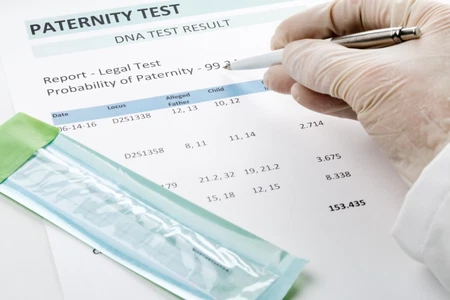

When paternity needs to be established for a legal matter, choosing the right DNA testing process is extremely important. Accredited Legal Paternity DNA Testing Philippines services are designed for situations where DNA results may need to be presented as evidence in a legal proceeding. Unlike a private DNA test performed simply for personal knowledge, legal testing involves additional procedures designed to establish the identity of the people tested and protect the integrity of their biological samples. This distinction can become particularly important when paternity affects parental rights, child support, inheritance, civil status, or other family-related legal matters. Philippine courts have recognized DNA testing as a scientifically useful method for determining biological relationships, while also emphasizing the importance of proper procedures surrounding the evidence. For anyone considering a legal paternity test, understanding how the process works can make it easier to select an appropriate testing provider and prepare for the requirements involved.
What Is Accredited Legal Paternity DNA Testing in the Philippines?
Accredited legal paternity DNA testing refers to DNA analysis performed through a properly documented process intended for legal use. The purpose is to determine whether a tested man is the biological father of a child using genetic information obtained from the participants. A legal test normally involves identity verification, controlled sample collection, documentation, secure handling, and laboratory analysis. These procedures help establish that the biological sample tested actually belongs to the person identified in the testing records. This is particularly important because a DNA result may have significant consequences when used in a court proceeding or another formal legal matter. The Philippine Supreme Court has specifically identified chain of custody, laboratory accreditation, analyst qualifications, methodology, and sample handling as factors that may affect the probative value of DNA evidence. Therefore, someone searching for Accredited Legal Paternity DNA Testing Philippines should look beyond the advertised price and examine how the entire testing process is performed.
What Makes a Paternity DNA Test Legal?
A legal paternity DNA test involves procedures that help verify the identity of every participant and preserve the integrity of the evidence. Participants may be required to present valid identification before their samples are collected. The collection process is typically documented so there is a record showing who provided each sample and when the collection occurred. Samples are then handled according to procedures intended to reduce the risk of tampering, contamination, substitution, or accidental mix-ups. Documentation throughout the process helps establish a chain of custody from collection through laboratory analysis. These safeguards distinguish a legally documented test from a test ordered primarily for personal information. Philippine jurisprudence has emphasized the importance of documenting how biological samples are collected, handled, protected, and transferred when DNA evidence is being evaluated. For that reason, individuals who expect their DNA results to be used in court should request a legal test from the beginning rather than assuming that any consumer DNA test will meet legal requirements.
Why Accreditation and Laboratory Qualifications Matter
The laboratory performing DNA analysis plays an important role in the reliability of the testing process. Accreditation can provide an indication that a laboratory has been assessed against relevant standards by an appropriate standards-setting organization. However, consumers should verify the current accreditation and scope directly with the laboratory rather than relying only on advertising language. The qualifications and experience of the analyst can also matter when DNA evidence is presented for legal purposes. Philippine courts have identified the forensic DNA laboratory, its accreditation, and the qualifications of the analyst among the factors that can be considered when assessing DNA evidence. A reputable provider should be able to explain its testing methodology, quality-control practices, sample-handling procedures, and reporting process in understandable language. Selecting a qualified provider can help reduce avoidable concerns about the integrity and reliability of the DNA evidence.
How Legal Paternity DNA Testing Works
Most modern paternity testing compares specific genetic markers found in the DNA profiles of the child and alleged father. A child’s DNA contains genetic material inherited from both biological parents. By comparing the child’s genetic profile with that of the alleged father, a laboratory can determine whether the tested man is excluded or remains genetically consistent with biological paternity. Including the mother in the testing process can sometimes provide additional information because the child’s maternal genetic contribution can be identified and distinguished from the paternal contribution. Buccal, or cheek-cell, swabs are commonly used because they provide a convenient source of DNA without requiring an invasive procedure. The samples are processed in the laboratory using established DNA profiling methods, after which the genetic results are statistically evaluated. Philippine jurisprudence explains that a matching profile alone is not the entire analysis and that probability calculations are important when evaluating a potential paternity relationship.
The Legal Testing Process From Sample Collection to DNA Report
The legal testing process begins by identifying the purpose of the DNA examination and determining which participants need to be tested. The provider should explain the identification requirements and arrange a controlled collection appointment. During collection, the identities of the participants can be documented and their biological samples can be labeled according to the provider’s procedures. The samples are then secured and transferred for laboratory analysis while maintaining appropriate records of handling. Laboratory personnel analyze the samples and compare the relevant genetic markers to determine whether the alleged father can be excluded or is strongly supported as the biological father. Once the testing has been completed, the provider prepares a formal report describing the findings and relevant statistical information. Depending on the circumstances, an attorney or court may require additional documentation concerning the collection process, laboratory procedures, or analyst qualifications. Philippine courts have stressed that the handling and custody of biological samples should be adequately documented when DNA evidence is used in legal proceedings.
Understanding Chain of Custody in Paternity DNA Testing
Chain of custody refers to the documented history of a biological sample from the time it is collected until it is analyzed and reported. In a legal paternity test, this process helps demonstrate that the sample analyzed by the laboratory is the same sample collected from the identified participant. Identity verification is therefore an important part of controlled DNA collection. Proper labeling and secure packaging can also help prevent sample confusion or unauthorized interference. Documentation may record the individuals responsible for handling the specimens at different stages of the process. Philippine Supreme Court decisions have specifically discussed the importance of neutral sample collection, participant identification, tamper protection, inspection of samples, and documentation of each person’s role in handling the evidence. These procedures become especially important when one party challenges the reliability or authenticity of the DNA evidence. Anyone seeking Accredited Legal Paternity DNA Testing Philippines should therefore ask the provider to explain its chain-of-custody procedures before scheduling the test.
Legal Paternity Testing vs. Private Paternity Testing
Private and legal paternity tests may use similar underlying DNA science, but the collection and documentation procedures can differ substantially. A private test is generally intended to answer a personal question about biological parentage. A legal test is designed with additional identification and documentation procedures because the results may be used in a formal proceeding. A privately collected sample may not provide sufficient documentation to establish who actually supplied the specimen. A legally controlled collection can provide records linking each specimen to the identified participant. This difference can be crucial when the DNA report is expected to support a legal claim or defense. Choosing the wrong type of test at the beginning may require additional testing later if a court or attorney needs a properly documented result. People should therefore tell the provider clearly that the testing is intended for legal purposes before samples are collected.
When Legal Paternity DNA Testing May Be Needed
There are several circumstances in which establishing biological paternity can become legally important. A parent may need DNA evidence when paternity is disputed between the parties. Paternity may also become relevant to matters involving parental rights, child support, inheritance, or legal recognition of a parent-child relationship. In some situations, DNA evidence may be used alongside birth records, testimony, documents, and other evidence concerning filiation. Philippine Supreme Court decisions have addressed DNA testing in disputes involving filiation and related legal rights. However, a DNA test should not be viewed as a substitute for understanding the specific legal requirements of a case. The appropriate testing process can depend on whether litigation has already begun, whether a court order exists, and what the parties are attempting to establish. Anyone involved in a legal dispute should consider consulting a qualified Philippine attorney about how DNA evidence may fit into the broader matter.
Understanding Probability of Paternity
A paternity DNA report generally provides a statistical assessment rather than simply stating that two DNA profiles look alike. Probability of paternity is used to express the statistical strength of the genetic evidence supporting biological paternity. A result that excludes the alleged father indicates that the tested man is not the biological father under the tested genetic analysis. When a man is not excluded, the laboratory can calculate the probability of paternity based on the genetic data and appropriate population information. Philippine rules on DNA evidence provide that an exclusion of the putative parent is conclusive proof of non-paternity, while a probability of paternity below 99.9% is treated as corroborative evidence and a probability of 99.9% or higher creates a disputable presumption of paternity. A disputable presumption can still be challenged or overcome by other evidence, so a high DNA probability should not be treated as an automatic resolution of every legal issue.
How to Choose a Provider for Accredited Legal Paternity DNA Testing Philippines
Choosing a provider requires more than searching for the lowest advertised testing fee. Start by confirming that the provider specifically offers legal paternity DNA testing rather than only private or informational testing. Ask whether the laboratory has current accreditation from a reputable standards-setting organization and whether the accreditation applies to the relevant testing activities. Ask how participant identities are verified and whether sample collection is controlled and documented. It is also useful to ask how samples are sealed, transferred, stored, and tracked throughout the testing process. The provider should be able to explain the qualifications of the personnel involved in DNA analysis and the general methodology used. Philippine courts consider laboratory accreditation, analyst qualifications, methodology, chain of custody, contamination risks, and testing reliability when assessing DNA evidence. A provider that answers these questions clearly can give clients a better understanding of what they are paying for and what documentation they can expect.
Preparing for a Legal Paternity DNA Test
Preparation can make the testing appointment more straightforward and reduce delays. Participants should ask the provider which identification documents are required before arriving at the collection location. If the DNA test relates to an active court case, participants should also discuss the testing arrangements with their attorney when appropriate. Any court order, scheduling requirement, or special instruction should be communicated to the laboratory before the appointment. Participants should provide accurate identifying information so that the records associated with each biological sample are correct. They should also follow any pre-collection instructions supplied by the testing provider. The collection itself is usually straightforward, but the legal documentation surrounding the sample can be just as important as the physical collection. Taking these steps early can help prevent situations in which a client obtains a DNA result but later discovers that additional documentation or testing is required.
Privacy and Confidentiality During Legal DNA Testing
DNA information is highly personal, so privacy should be considered when selecting a testing provider. Before testing, clients should ask how their identifying information, DNA samples, laboratory records, and final reports will be stored. They should also ask who can access the report and whether copies can be released to third parties. If a test is connected to a legal proceeding, the report may need to be shared with attorneys, courts, or other authorized parties depending on the circumstances. A reputable provider should have clear policies governing access to testing records and biological specimens. Clients can also ask whether leftover samples are retained after analysis and what policies apply to their storage or disposal. Philippine DNA evidence procedures recognize the importance of confidentiality and preservation of DNA evidence in appropriate circumstances. Understanding these policies before testing can help participants make informed decisions about the handling of sensitive genetic information.
Common Mistakes to Avoid
One common mistake is ordering a private paternity test when the actual purpose is to obtain evidence for court. Another mistake is failing to verify whether the provider’s legal testing procedures include proper identity verification and chain-of-custody documentation. Choosing a laboratory based only on price can also cause problems if the provider cannot adequately explain its credentials or testing procedures. Participants should avoid privately collecting samples if controlled collection is required for the intended legal use. They should also avoid assuming that a high probability of paternity automatically resolves every legal question surrounding parental status or family rights. Philippine courts evaluate DNA evidence together with factors such as collection procedures, handling, contamination risks, laboratory qualifications, methodology, and the totality of evidence. Careful planning before testing can help participants avoid unnecessary costs, delays, and disputes about the reliability of their DNA evidence.
What to Expect From the Final DNA Report
A formal legal DNA report generally identifies the individuals tested and presents the relevant genetic findings. It may include DNA profiles, genetic markers evaluated, statistical calculations, and a probability-of-paternity figure. The report may also state whether the alleged father is excluded or is not excluded as the biological father. The exact format and terminology can vary among laboratories, so participants should ask the provider how its reports are structured. If the report will be used in litigation, it may be helpful to preserve the original document and associated testing records. Attorneys may also need supporting documentation regarding sample collection, chain of custody, laboratory procedures, or the qualifications of the analyst. Philippine jurisprudence shows that courts may examine these supporting details when determining the probative value of DNA evidence. Understanding the report and retaining its related documentation can therefore be an important part of preparing DNA evidence for legal use.
Why Legal and Scientific Guidance Can Both Matter
DNA laboratories and attorneys provide different types of expertise, and both can be valuable in a disputed paternity matter. A laboratory is responsible for performing genetic testing according to appropriate scientific procedures and reporting its findings. An attorney can explain how those findings may relate to the legal issues involved in a particular case. This distinction matters because a scientifically reliable DNA result does not automatically determine every question involving custody, support, inheritance, birth records, or parental rights. Philippine court decisions have evaluated DNA results alongside other evidence and applicable legal standards. Someone preparing for litigation should therefore ask the laboratory technical questions about the testing process and ask legal counsel questions about the use of the resulting evidence. Keeping these roles separate can help prevent misunderstandings about what a DNA report does and does not establish. It also helps participants approach the testing process with realistic expectations.
Frequently Asked Questions About Accredited Legal Paternity DNA Testing Philippines
Is an accredited legal paternity DNA test different from a regular paternity test?
Yes, the key difference is generally the documentation and controlled procedures surrounding the collection and handling of samples. A legal test is intended to create a documented evidentiary record that can be evaluated for legal use. This can include identity verification, controlled collection, chain-of-custody procedures, and formal reporting. A private test may be designed primarily to provide personal information and may not include the same safeguards. If court use is anticipated, the testing provider should be informed before collection occurs. Philippine courts consider how samples were collected and handled when evaluating DNA evidence.
Is DNA testing accepted as evidence in Philippine courts?
DNA evidence can be considered by Philippine courts under the applicable Rules on DNA Evidence. Courts evaluate factors including the handling of samples, testing methodology, laboratory qualifications, accreditation, and the reliability of the results. The specific evidentiary value of a DNA report depends on the facts and circumstances of the case. A person should not assume that any DNA test automatically satisfies every legal requirement. When litigation is involved, legal counsel can help determine how the test should be obtained and presented.
What does a 99.9% probability of paternity mean?
Under the Philippine Rules on DNA Evidence, a probability of paternity of 99.9% or higher creates a disputable presumption of paternity. This means the presumption can still be challenged with other evidence. It should not be interpreted as meaning that every legal issue involving parentage has automatically been resolved. The laboratory’s statistical calculation should be reviewed in the context of the complete report. Legal questions concerning the significance of the result should be directed to qualified counsel.
Can a DNA test exclude a man from being the biological father?
Yes, DNA testing can exclude a tested man from biological paternity when the genetic evidence is inconsistent with him being the father. Philippine jurisprudence recognizes that DNA results excluding the putative parent from paternity constitute conclusive proof of non-paternity under the applicable rule. The laboratory’s report should explain the genetic findings and the resulting interpretation. Participants should preserve the complete report rather than relying on an informal verbal explanation. If the result is part of litigation, the appropriate attorney can explain its legal implications.
Does the mother need to participate in the test?
The required participants can depend on the laboratory’s testing design and the circumstances of the case. A standard paternity examination may involve the child and alleged father, while including the mother can sometimes provide additional genetic information. Testing the mother may help distinguish the child’s maternal genetic contribution from the paternal contribution. However, the laboratory should determine which participants are appropriate for the specific testing situation. Anyone involved in a legal dispute should also consider whether the court or legal counsel has specified who must be tested. The testing provider can explain the participant requirements before the appointment.
Can a court order DNA testing?
Philippine jurisprudence recognizes circumstances in which courts can order DNA testing when it is relevant to determining paternity or filiation. The specific requirements and circumstances can vary depending on the proceeding. Courts may also consider whether there is a sufficient factual basis for the requested testing. A person involved in litigation should not rely solely on general information when deciding whether to request or oppose testing. Legal counsel can review the facts and applicable procedural requirements. Court-ordered testing may also contain specific instructions concerning participants, collection, documentation, and handling of samples.
How should I choose a provider for Accredited Legal Paternity DNA Testing Philippines?
Start by confirming that the provider offers legal-purpose paternity testing. Ask about current laboratory accreditation, analyst qualifications, sample collection procedures, chain of custody, security measures, and the format of the final report. You should also ask whether the provider can supply supporting documentation if the result needs to be reviewed in a legal proceeding. Price is important, but it should not be the only factor. A properly documented testing process can be particularly important when the DNA evidence may be challenged. Philippine courts have specifically identified laboratory accreditation and analyst qualifications as factors in evaluating DNA evidence.
How long does legal paternity DNA testing take?
The turnaround time depends on the testing provider, laboratory workload, sample collection arrangements, and whether additional testing or documentation is required. Some laboratories offer standard and expedited options. A legal test may require additional administrative steps compared with a private test because identities and sample handling must be documented. Participants should ask for an estimated completion date before scheduling. If the DNA test is connected to a court deadline, that deadline should be communicated to the provider in advance. Allowing adequate time can reduce the risk of unnecessary delays.
How much does legal paternity DNA testing cost in the Philippines?
Pricing varies among providers and can depend on the number of participants, location of collection, laboratory requirements, turnaround time, and additional documentation. A legal test may cost more than a private test because of controlled collection and documentation procedures. Rather than choosing based only on the advertised price, clients should ask what is included in the quoted fee. They should also ask whether collection, laboratory analysis, formal reporting, and additional copies or documentation are included. If a court proceeding is involved, clients may also want to ask whether additional professional services or testimony carry separate fees. Obtaining a complete quotation before testing can help avoid unexpected expenses.
Takeaway
Choosing Accredited Legal Paternity DNA Testing Philippines services is an important decision when DNA evidence may affect a legal matter. A reliable process involves much more than collecting a cheek swab and receiving a percentage on a report. Identity verification, controlled sample collection, chain of custody, laboratory qualifications, accreditation, testing methodology, and proper documentation can all affect how DNA evidence is evaluated. Philippine courts have specifically recognized these factors when assessing the probative value and reliability of DNA evidence. The Philippine Rules on DNA Evidence also establish important standards for interpreting paternity results, including the treatment of exclusions and probabilities of paternity at or above 99.9%. Anyone considering legal paternity testing should therefore select a qualified provider, clearly state that the test is intended for legal purposes, and understand the documentation that will accompany the results. When a paternity question is connected to custody, support, inheritance, filiation, civil status, or active litigation, professional legal guidance can help ensure that the DNA testing process is approached appropriately.